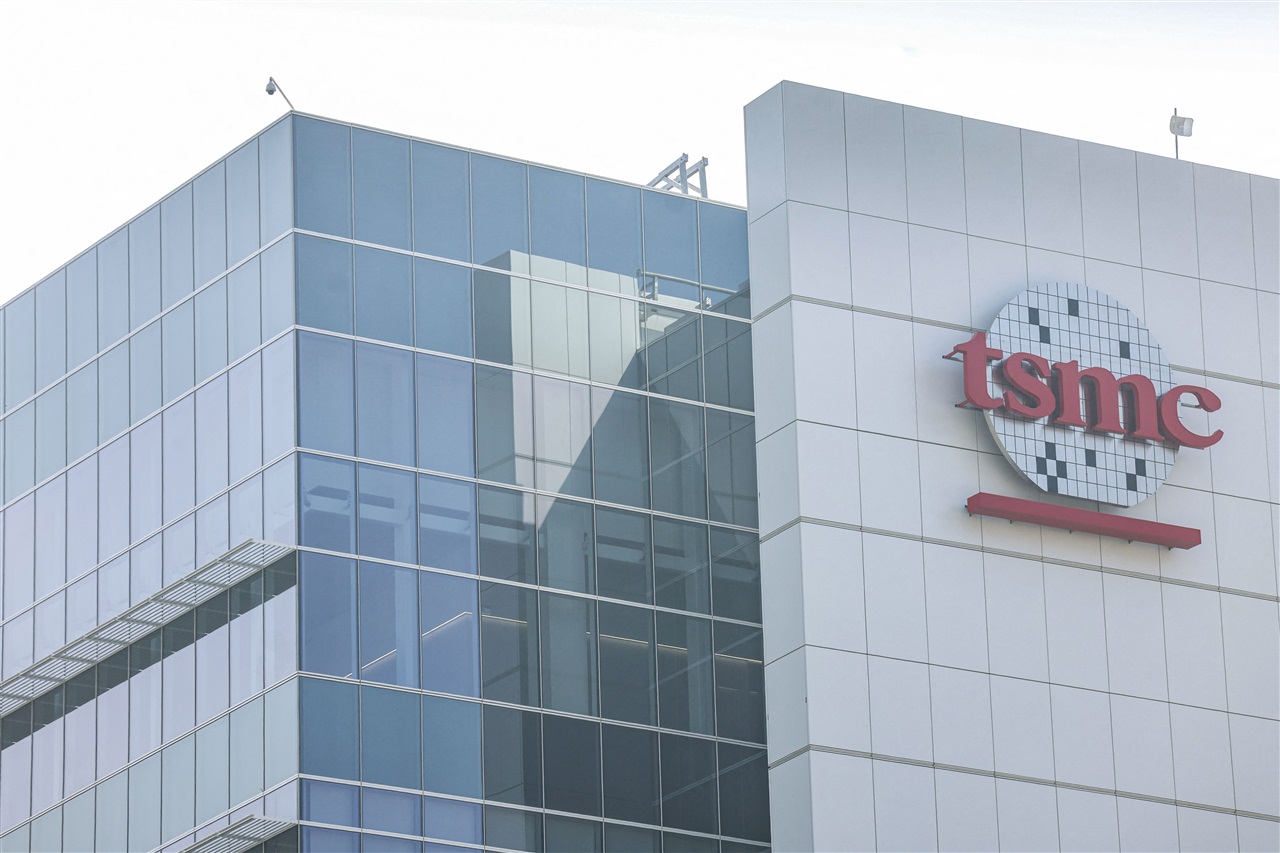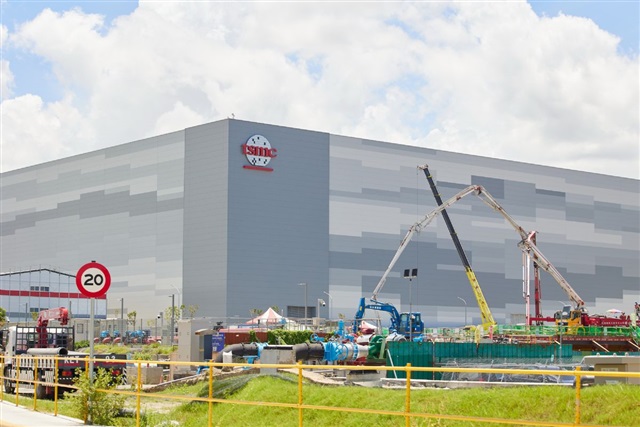
When did the idea of a truly dominant, unassailable leader in semiconductor manufacturing become quaint? For a generation, TSMC has operated with a kind of gravitational pull, dictating terms and setting the pace for the entire digital world. Its ability to consistently deliver leading-edge fabrication processes, from the 7nm node onward, wasn’t just impressive; it was the bedrock upon which the modern tech economy was built.
Yet, the ground beneath the foundry giant is shifting, and the tremors aren’t subtle. The explosive growth of artificial intelligence, which demands unprecedented processing power and, consequently, the most advanced chips, has become a double-edged sword. On one hand, it’s a massive revenue driver. On the other, it’s a catalyst for competition, forcing nations and corporations to rethink their reliance on a single point of failure.
The geopolitical landscape, too, adds a layer of acute pressure. The ongoing tensions, particularly those surrounding Taiwan, have spotlighted the fragility of the current supply chain. This isn’t abstract; it’s a clear and present danger to global economic stability, and it’s spurring a fervent drive for diversification and localized manufacturing capabilities.
The New Titans: Who’s Challenging the Crown?
We’re not talking about the usual suspects here. Intel, long a designer and manufacturer, has embarked on a desperate gambit with its IFS (Intel Foundry Services) strategy, attempting to claw back relevance by offering its own fabrication capacity. Its ambition is immense, its challenges equally so, but the sheer scale of its investment and its historical foundry pedigree mean it can’t be ignored. Then there’s Samsung Foundry, the perennial runner-up, which has the resources and the technical chops but has historically struggled to consistently capture the most lucrative orders from fabless giants like Apple and NVIDIA. They’re a known quantity, but can they finally cross the finish line first in the race for market share?
But the real seismic shift is coming from new, state-backed initiatives. South Korea’s SK Hynix, already a memory giant, is making significant strides and investments in logic. Japan, historically a leader in materials and equipment, is now aggressively investing in domestic foundry capabilities, aiming to secure its strategic position. And then there’s China, which, despite facing significant hurdles due to export controls, is pouring resources into indigenous chip manufacturing, driven by a national imperative for self-sufficiency. These aren’t minor players; they represent national industrial policies backed by enormous state funding, a different beast entirely from traditional market competition.
“The AI revolution demands more than just faster chips; it demands a resilient, geographically diverse supply chain. TSMC’s dominance has been a marvel, but the world is no longer willing to bet its entire digital future on a single location.”
The narrative being spun by TSMC and its allies is one of continued leadership, of technological superiority that will weather any storm. And to be sure, their track record is formidable. Their ability to execute at the leading edge is unparalleled. But market dynamics are rarely static, and the AI boom is anything but.
Why Does Manufacturing Strategy Matter So Much Now?
The implications for the broader tech ecosystem are profound. For decades, fabless design houses had a relatively stable and predictable partner in TSMC. This meant they could focus on innovation, knowing that their chip designs would be brought to life with high quality and yield. Now, the calculus changes. The perceived risk of supply chain disruption, coupled with the strategic imperative for national security and economic resilience, is driving a fundamental reevaluation of manufacturing strategy.
Companies will increasingly demand greater geographic diversification. This isn’t just about contingency planning; it’s about proximity, reduced shipping costs, and potentially, more tailored manufacturing agreements. The era of the singular foundry superpower is likely drawing to a close, replaced by a more multipolar, and perhaps more volatile, manufacturing landscape. The question isn’t if TSMC will remain a dominant force—it almost certainly will—but rather, how much of its market share will erode, and how quickly will these new contenders gain traction?
The competition isn’t just about who can make the smallest transistors; it’s about who can build the most secure, most reliable, and most geographically distributed semiconductor manufacturing ecosystem. TSMC’s first real rivals aren’t just other foundries; they are national ambitions and a global reordering of priorities. It’s a fascinating, and frankly, concerning, pivot.
This transition won’t be smooth. It’ll involve massive capital expenditure, significant technological challenges, and considerable geopolitical maneuvering. But the forces at play are too powerful to ignore. The age of TSMC’s unchallenged reign has met its AI-powered, geopolitically charged moment of truth. Whether it adapts and thrives, or slowly cedes ground, will define the next decade of the chip industry.