AI predicts river temps. Big deal.
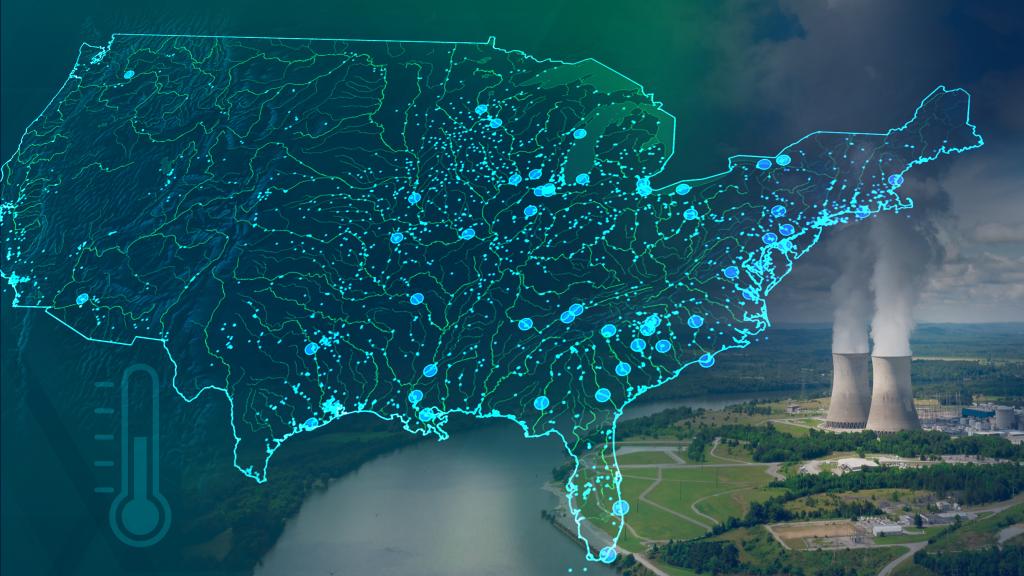
Look, someone had to do it. The nation’s power plants are thirsty. More than 70% of our electricity depends on water for cooling. Nuclear, gas, coal – they all need a drink. And most of our rivers are running blind, sensor-wise. Enter Oak Ridge National Laboratory (ORNL) with their shiny new AI model, dubbed RiTHyMs (River Temperature Time Series for Hydrothermal Modeling and Analysis). It’s supposed to tell us how hot the water is going to be, everywhere, no sensors required. Fancy.
Is This Just More Hype?
The spiel is that this AI model, built using a Long Short-Term Memory network – which sounds vaguely dystopian but is apparently good at patterns – can predict river temperatures with an average error of just 1.1 degrees Celsius. That’s actually… decent. It’s supposedly on par with older, more resource-guzzling models, but faster and more scalable. They trained it on years of USGS data, weather, landscape stuff, even snowpack. If it works as advertised, it’s a win for hydropower folks trying to avoid regulatory headaches and a win for fish trying not to become sushi. It’s also, and this is where the DOE really leans in, a win for national energy security. Because, you know, a blackout is bad, but a blackout and a dead ecosystem? Unthinkable.
Why Does This Matter for Utilities?
Here’s the rub: Utilities, especially those running power plants, are constantly juggling water temperature. Too hot, and they risk non-compliance, potentially fines, or worse, operational shutdowns. Too cold? Well, that’s usually less of a problem, but managing water flow for downstream users and delicate aquatic life is a perpetual tightrope walk. This AI model, by providing daily in-stream temperature estimates across the entire continental US – even in those forgotten, sensor-less streams – gives them a heads-up. It’s like having a crystal ball for your cooling water. Sean Turner, a senior engineer at ORNL, even went so far as to say these deep-learning models are “producing better and more transferable results than the models that people have been building and tinkering with for the last 50 years.” High praise indeed. Whether it truly eclipses decades of hydrological research or just makes it easier to access remains to be seen.
“These deep-learning foundation models, trained on vast amounts of data to recognize and predict long-term patterns, are producing better and more transferable results than the models that people have been building and tinkering with for the last 50 years.”
The claim that this model can be applied “anywhere in the nation” is a bold one. It hinges on using data available for every single river reach, a feat ORNL seems to have accomplished with their HydroSource platform. They’re already testing it with the Tennessee Valley Authority, and looking at refining it for mountainous regions and glacial runoff – areas that sound significantly more complex. If they can nail those, then we might be talking about something truly remarkable.
But let’s not get ahead of ourselves. This is still a model. A very good model, perhaps, trained on a lot of data, but a simulation nonetheless. The real test will be in how consistently it performs under extreme weather events and how accurately it informs actual operational decisions. History is littered with promising AI models that looked great in the lab but stumbled in the messy reality of the real world. Still, if this RiTHyMs can help prevent a power crunch or an ecological disaster, then maybe, just maybe, this AI intervention is worth the buzz.
What’s Next?
ORNL isn’t resting on its laurels. They’re already eyeing improvements for those tricky mountain rivers, where glacial melt adds another layer of complexity. The fact that they’re already getting traction with the Tennessee Valley Authority suggests a practical application is the priority. This isn’t just an academic exercise; it’s about keeping the lights on and the fish swimming. The reliance on DOE’s high-performance computing at Oak Ridge means this isn’t going to be a cheap tool to deploy everywhere, but for critical infrastructure, maybe that’s a price worth paying.
🧬 Related Insights
- Read more: EDA Tools Explained: The Software Behind Chip Design
- Read more: NVIDIA & ServiceNow: AI Agents Get Autonomous
Frequently Asked Questions
What does the ORNL River Temperature model do? ORNL’s RiTHyMs AI model predicts river temperatures across the United States, even in waterways without sensors.
How accurate is the ORNL AI model for river temperatures? The model has achieved an average absolute error of 1.1 degrees Celsius in its predictions.
Who benefits from this river temperature prediction model? Hydropower utilities, dam operators, power plants, and those concerned with aquatic ecosystems and downstream water users can benefit.