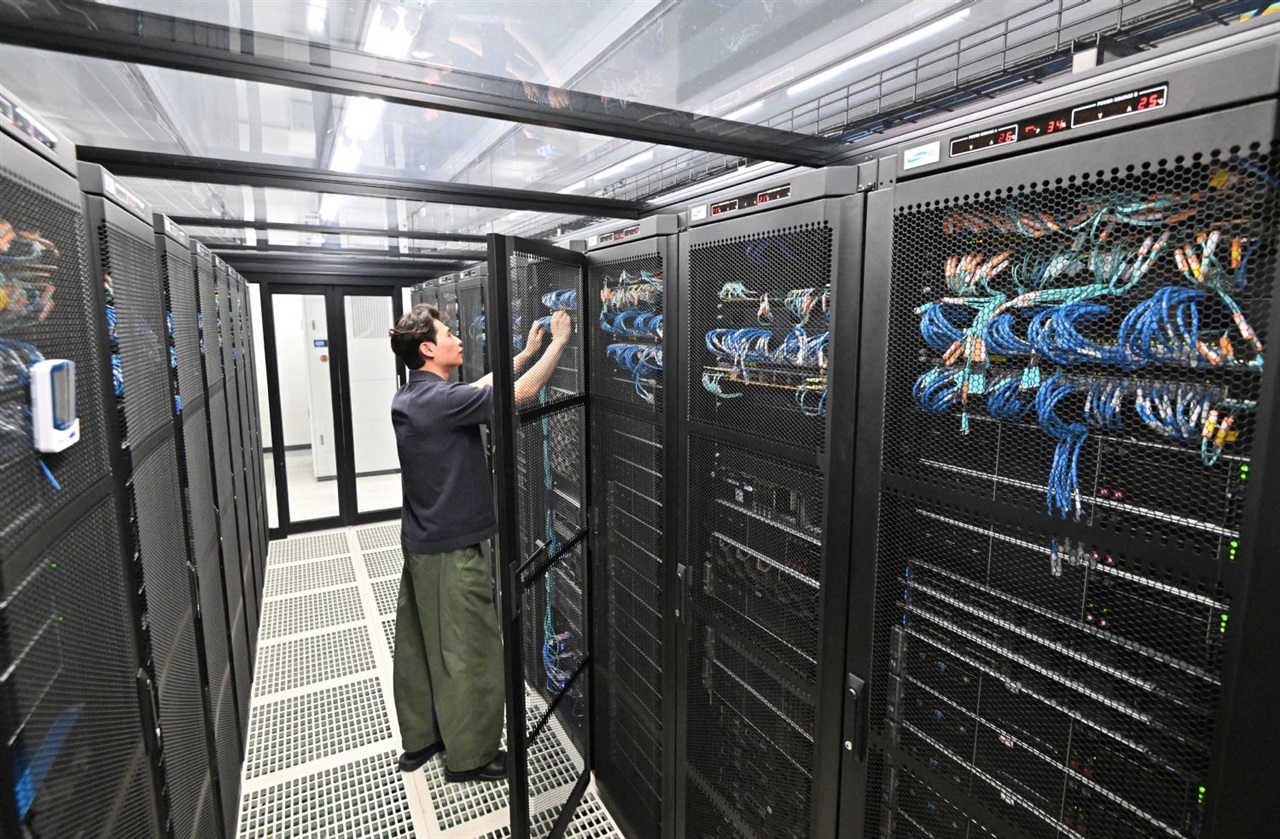
The hum of servers in a cooled data center, a sterile ballet of blinking lights and whirring fans, belies the fierce geopolitical and economic currents shaping the future of artificial intelligence.
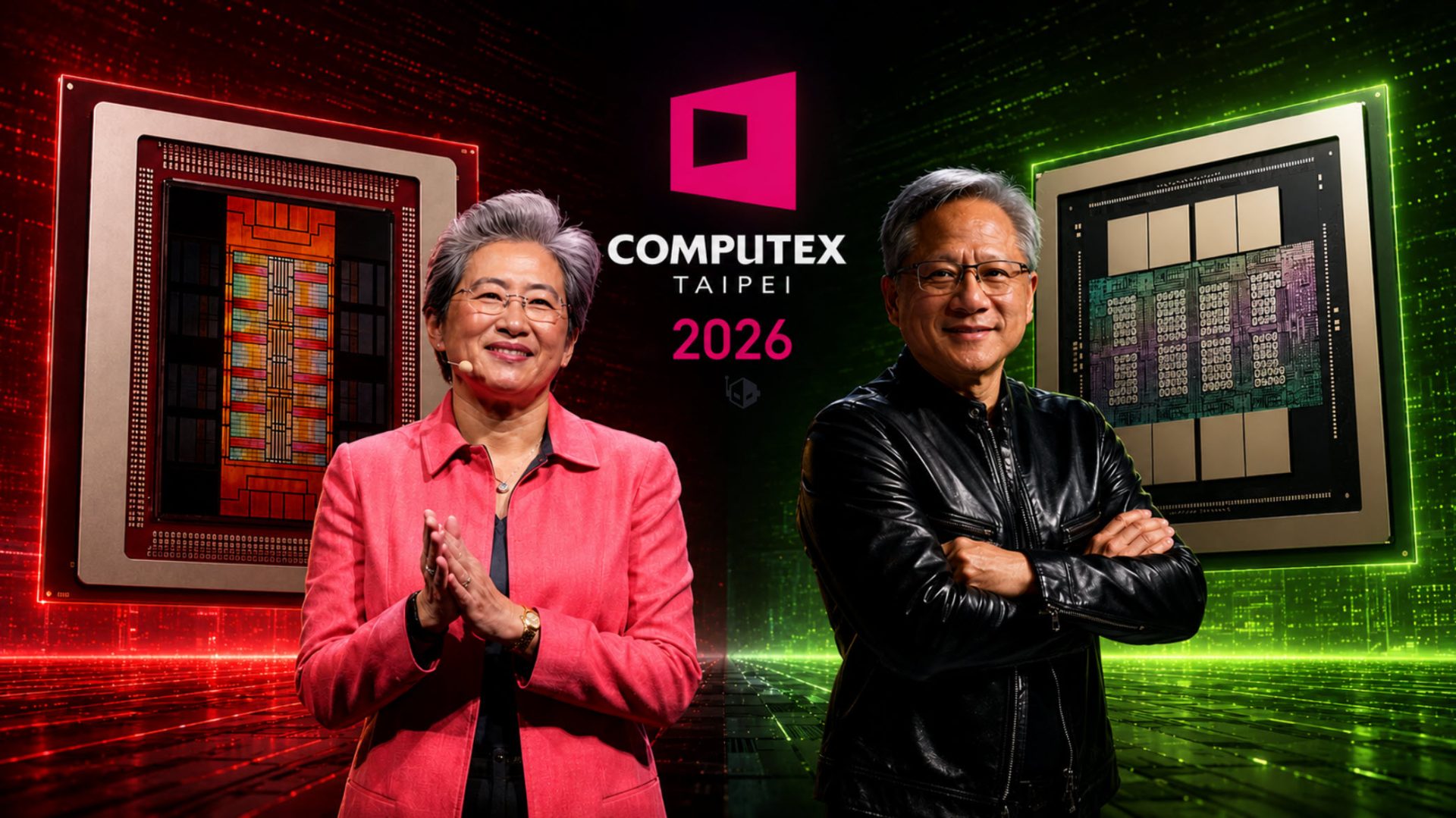
Nvidia’s recent move to structurally isolate its AI-centric Compute Engine (ACIE) market, coupled with AMD’s staggering $10 billion investment in Taiwan’s semiconductor infrastructure, isn’t just corporate maneuvering. It’s a canary in the coal mine, broadcasting a profound realignment in the AI chip war. Both developments scream urgency, a desperate scramble to expand beyond the traditional hyperscale cloud — think Amazon, Microsoft, Google — into an unproven, yet potentially lucrative, new frontier.
Beyond the Cloud Giants
For years, the AI chip narrative has been dominated by the insatiable demand from a handful of hyperscale cloud providers. These behemoths, building massive data centers for their AI services, have been Nvidia’s golden goose, gobbling up thousands of their H100 GPUs. But that market, while immense, is showing signs of saturation. The data already exists, the training cycles are churning, and the next wave of innovation demands a different approach.
Nvidia’s pivot suggests an acknowledgment that relying solely on hyperscalers is a single-threaded strategy, vulnerable to market shifts. By carving out its ACIE market, the company is signaling a desire to cultivate a broader, perhaps more specialized, ecosystem of AI deployments. Think enterprise-specific AI, vertical industry solutions, and even on-premise AI capabilities that don’t necessitate the massive infrastructure of a public cloud.
This isn’t just about selling more chips; it’s about changing where and how those chips are deployed. It’s an implicit bet that the next trillion-dollar AI applications won’t all live in the cloud. They might reside in manufacturing plants, financial institutions, or even within the secure confines of government agencies.
AMD’s Taiwan Gamble: A Geopolitical Undercurrent
Then there’s AMD’s $10 billion play in Taiwan. This isn’t pocket change; it’s a declaration of intent. Taiwan, already the undisputed capital of advanced semiconductor manufacturing, is now being doubly courted. AMD’s investment signals not just a commitment to manufacturing capacity, but a strategic positioning within a region burdened by geopolitical tension.
This move is multifaceted. On one hand, it’s about securing access to cutting-edge manufacturing processes, crucial for staying competitive in the dense, power-hungry world of AI silicon. TSMC, Taiwan Semiconductor Manufacturing Company, remains the king of foundry services, and AMD is making sure it has a prime seat at that table.
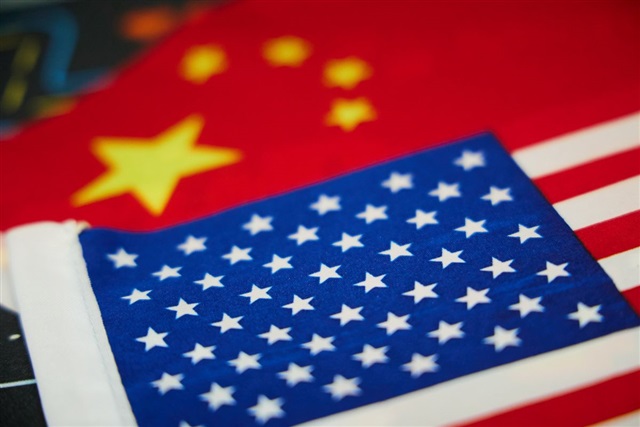
On the other, and perhaps more critically, it’s a calculated geopolitical hedge. With increasing global anxieties surrounding China’s ambitions towards Taiwan, companies are being forced to diversify their supply chains and deepen their local commitments. AMD’s substantial investment is a strong signal to both the Taiwanese government and the global market that it’s here for the long haul, irrespective of the political winds.
The implication is clear: AI chip production is becoming inextricably linked with national security and economic stability.
Why Does This Matter for the Future of AI?
This strategic reorientation has massive implications. For Nvidia, it means navigating a more complex market, potentially with lower margins per chip if they are indeed targeting less concentrated deployments. It requires building out sales channels and support structures for a far more diverse customer base than the handful of hyperscalers they’ve courted. The risk? Diluting their focus and facing entrenched competition in new segments.
For AMD, the bet on Taiwan is colossal. It’s a move that could solidify their position as a genuine competitor to Nvidia, but it also ties their fate closely to the island’s stability. If geopolitical tensions escalate, a significant portion of their advanced chip production could be jeopardized. This is the high-stakes gamble of the AI era.
The consolidation of advanced chip manufacturing in Taiwan has always been a point of vulnerability. Now, with the AI boom, that vulnerability is amplified. Companies are realizing that the supply chain for AI isn’t just about design; it’s about physical location, geopolitical risk, and the willingness to invest billions in infrastructure that could be a flashpoint.
A New Frontier, or a Risky Excursion?
Is this expansion into new AI frontiers a shrewd move towards sustainable, diversified growth, or an expensive detour driven by market anxieties? The data, as always, will tell. But one thing is certain: the AI chip war has moved beyond the server farms of Silicon Valley. It’s now being fought on the global stage, with billions on the line, and the geopolitical landscape as its chessboard.
It’s a fascinating pivot, forcing us to consider that the future of AI might not be exclusively cloud-bound. The companies that can successfully navigate this new, complex ecosystem—balancing technological innovation with geopolitical pragmatism—will be the ones shaping the next decade of artificial intelligence.
The market is demanding a broader reach, and chip giants are responding by extending their influence, even if it means venturing into riskier territories.