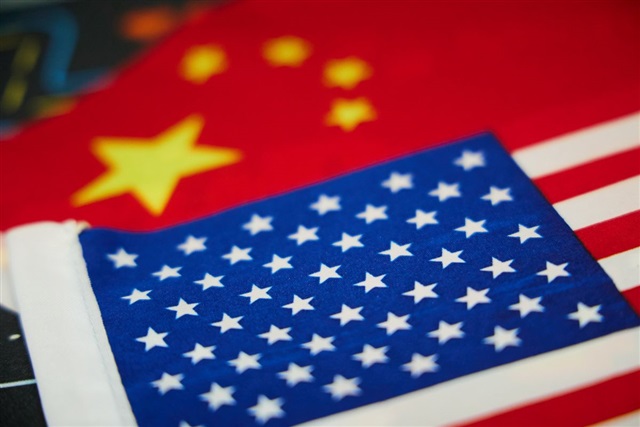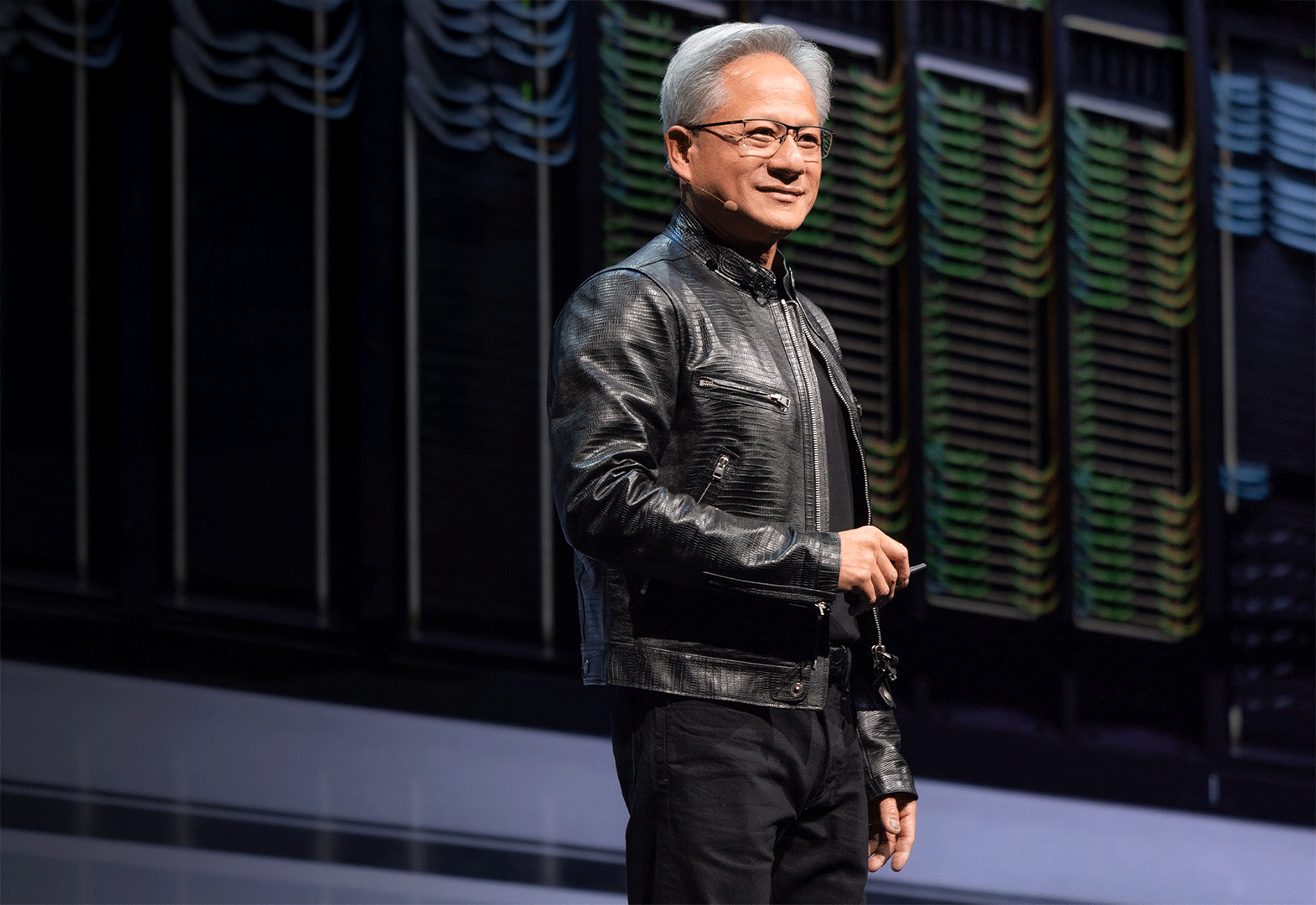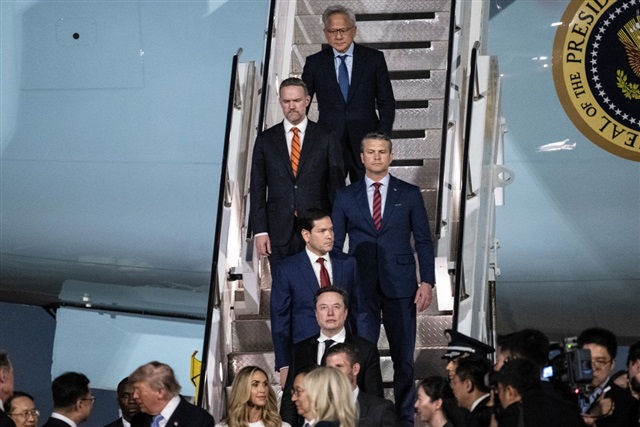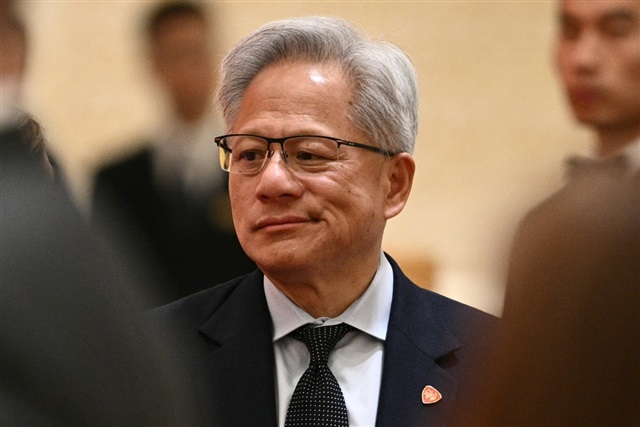
The drone of the server farm hummed, a low thrumming baseline to the geopolitical earthquake shaking the semiconductor world. Jensen Huang, Nvidia’s famously charismatic CEO, was on Bloomberg, his words a carefully calibrated mix of market analysis and hopeful diplomacy. He expected Chinese authorities to eventually allow imports of US AI chips, a sentiment as thin as the silica wafers themselves. Yet, beneath the polite pronouncements, the reality was stark and unyielding: China remained stubbornly closed, a fact that underscored the deepening implications of ever-tighter export controls.
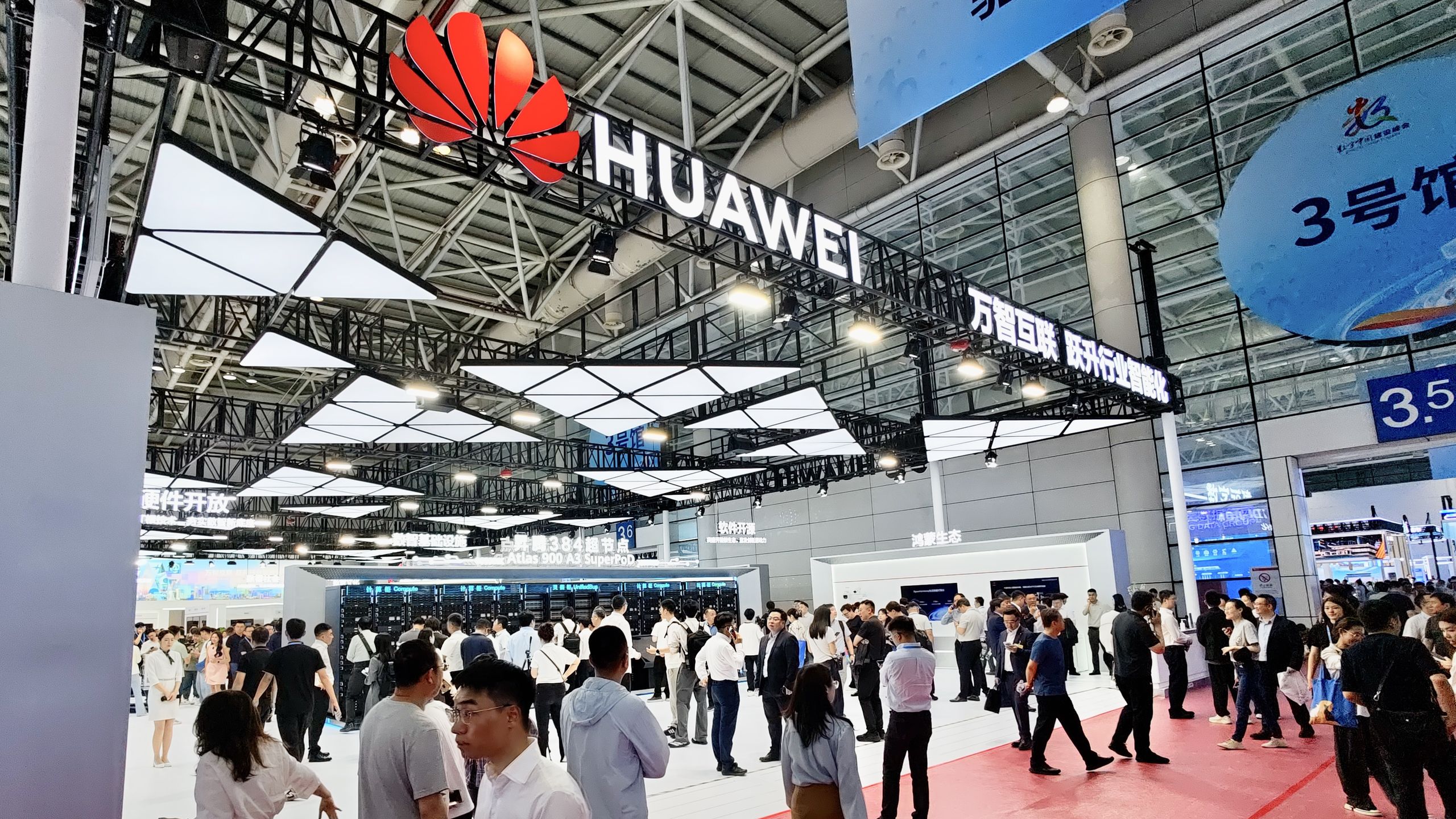
And that’s where the story really begins. Not with Huang’s carefully worded forecast, but with the quiet, insistent rise of Huawei. While the Western tech press obsriches itself on the latest silicon architectures and the quantum leaps in AI model performance, a more fundamental battle is being waged – a battle for market share in the planet’s most populous nation, a battle where Nvidia is steadily losing ground.
The Silent Erosion
It’s easy to get lost in the dazzling specifications of Nvidia’s Hopper or Blackwell architectures, to marvel at their teraflops and tensor cores. They are, without question, the kings of the AI hill in most of the world. But the mountain has a far side, a market of over a billion people, and it’s increasingly becoming a Huawei-dominated domain. The U.S. export controls, designed to hamstring China’s advanced AI ambitions, have inadvertently acted as a powerful accelerant for domestic champions like Huawei. Denied access to the bleeding edge from Nvidia, Chinese AI developers and data centers are turning inward, and Huawei’s Ascend chips, once an also-ran, are finding a rapidly expanding niche.
This isn’t about Huawei suddenly leapfrogging Nvidia in pure performance. Not yet, at least. It’s about accessibility, about supply chain security, and about a national imperative to achieve technological self-sufficiency. For Chinese enterprises, the choice is increasingly becoming: wait for a hypothetical easing of U.S. sanctions, or work with what’s available domestically. The latter is winning.
Why is Huawei Gaining Traction?
The calculus for Chinese companies has shifted seismically. The U.S. government’s stringent restrictions on exporting advanced AI chips to China, particularly those manufactured by Nvidia, have created a vacuum. This vacuum isn’t just about a lack of high-end processing power; it’s about the strategic risk of relying on foreign suppliers in an era of escalating geopolitical tensions. Huawei, with its deep roots in China and its considerable R&D investment, has positioned itself as the domestic alternative. Their Ascend AI chips, while not always matching Nvidia’s top-tier performance, are good enough for a vast array of applications and, crucially, they are available. This availability, combined with government backing and a strong understanding of local market needs, has allowed Huawei to systematically chip away at Nvidia’s once-dominant position within China. It’s a textbook example of how protectionism, even unintentional, can foster domestic competition.
Think about the architectural underpinnings here. Nvidia’s strength lies in its CUDA ecosystem – a mature, incredibly powerful software platform that makes its hardware sing. Huawei’s strategy, however, is less about replicating CUDA and more about building a comprehensive, vertically integrated solution. They’re pushing their own operating systems, their own AI frameworks, and their own hardware. It’s a bold, albeit challenging, path, but one that offers a degree of control and customization that is deeply appealing to a nation focused on technological sovereignty.
“The remarks also underscored the growing implications of export controls that have effectively barred some of the world’s largest chipmakers from selling their most advanced technology to Chinese customers.”
This quote, buried in the context of Huang’s statement, is the actual crux of the matter. The implications are not just theoretical; they are materializing in market share shifts. Nvidia’s hope for a future easing of restrictions is a bet against the current geopolitical winds, a gamble that seems increasingly unlikely to pay off in the short to medium term.
Is This a Permanent Shift?
It’s tempting to frame this as a temporary setback for Nvidia, a ripple caused by trade policy. But there’s a deeper, more structural shift at play. For years, the global semiconductor industry operated under the assumption of largely unfettered globalization. Now, that assumption is being fundamentally challenged. Countries, particularly China, are prioritizing domestic production and technological independence. This isn’t just about AI chips; it’s about memory, logic, and advanced manufacturing processes. The U.S. government’s own CHIPS Act, for instance, is a clear signal that the era of solely relying on external supply chains is over for many nations. Huawei’s ascendance in China is a mirror image of this global trend, albeit driven by different catalysts and facing unique obstacles.
Nvidia’s narrative often centers on its technological superiority. And, in many ways, it’s justified. But technology alone doesn’t win markets, especially when geopolitical forces erect significant barriers. The company’s challenge now isn’t just about designing better chips; it’s about navigating a fractured global landscape where its most lucrative markets are increasingly inaccessible. The human element – the engineers, the developers, the data scientists in China – are the ones making the purchasing decisions, and they are being nudged, or even forced, towards domestic alternatives. This requires a fundamental reevaluation of Nvidia’s strategy in Asia, one that extends far beyond polite pronouncements to Beijing.
The market share erosion isn’t just a data point; it’s a symptom of a larger structural change in the global tech industry. The clear skies of globalization are giving way to a more fragmented, nationalistic approach to technology development and procurement. Nvidia’s hope for a return to the status quo might be a comforting thought, but the reality is that the landscape has been redrawn, and Huawei is busy drawing its own map.