Here’s the thing: you can slap as many export restrictions on NVIDIA’s AI chips as you want, but demand, particularly in China, finds a way. Apparently, a rather substantial way, involving $2.5 billion and a cast of characters from Supermicro to a Thai company called OBON Corp, all funneling bleeding-edge GPUs to, of all places, Alibaba. All while US prosecutors are busy slapping indictments on some poor Supermicro souls. Charming.
The Great Chinese Chip Heist: A Smuggler’s Paradise?
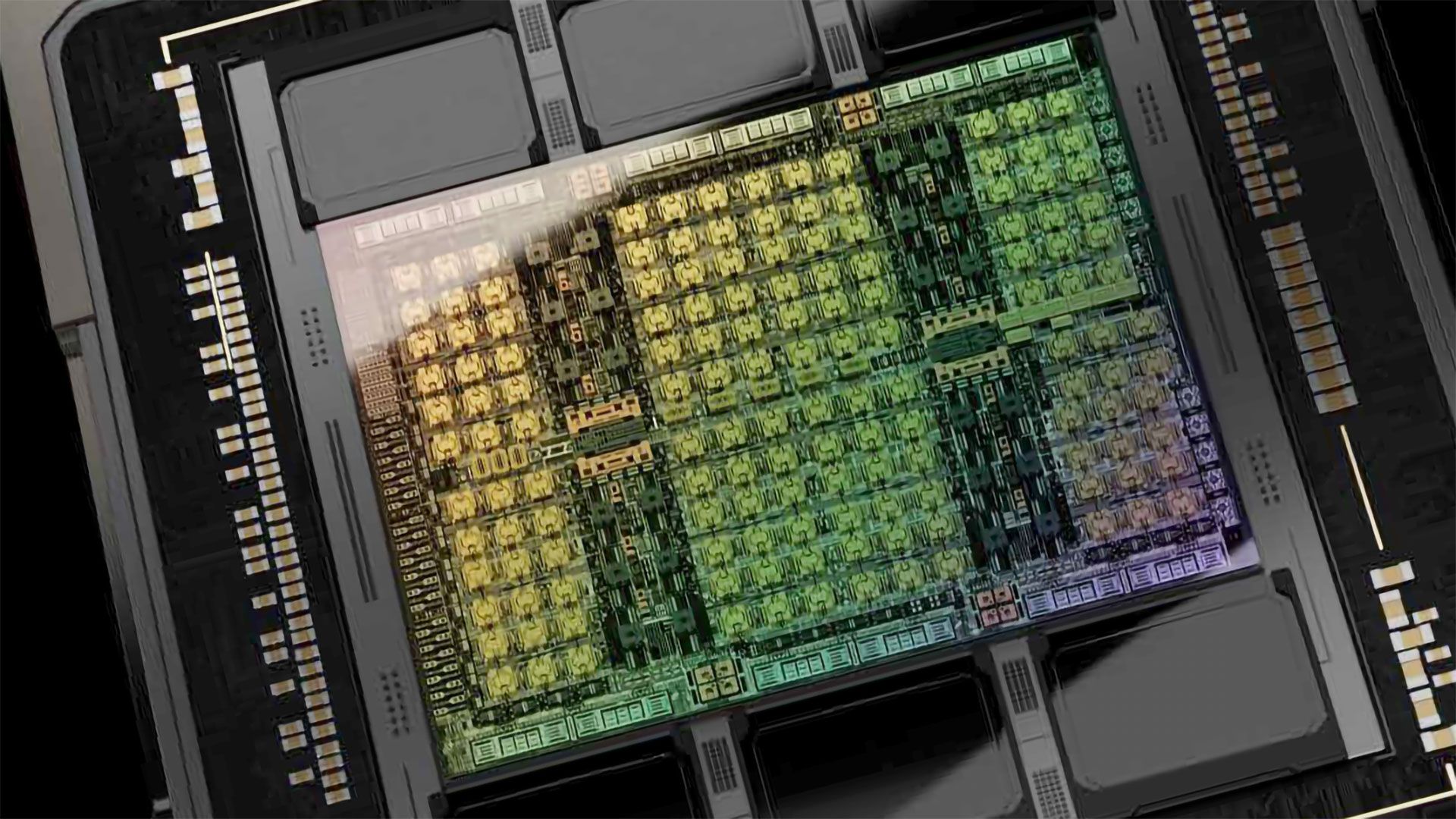
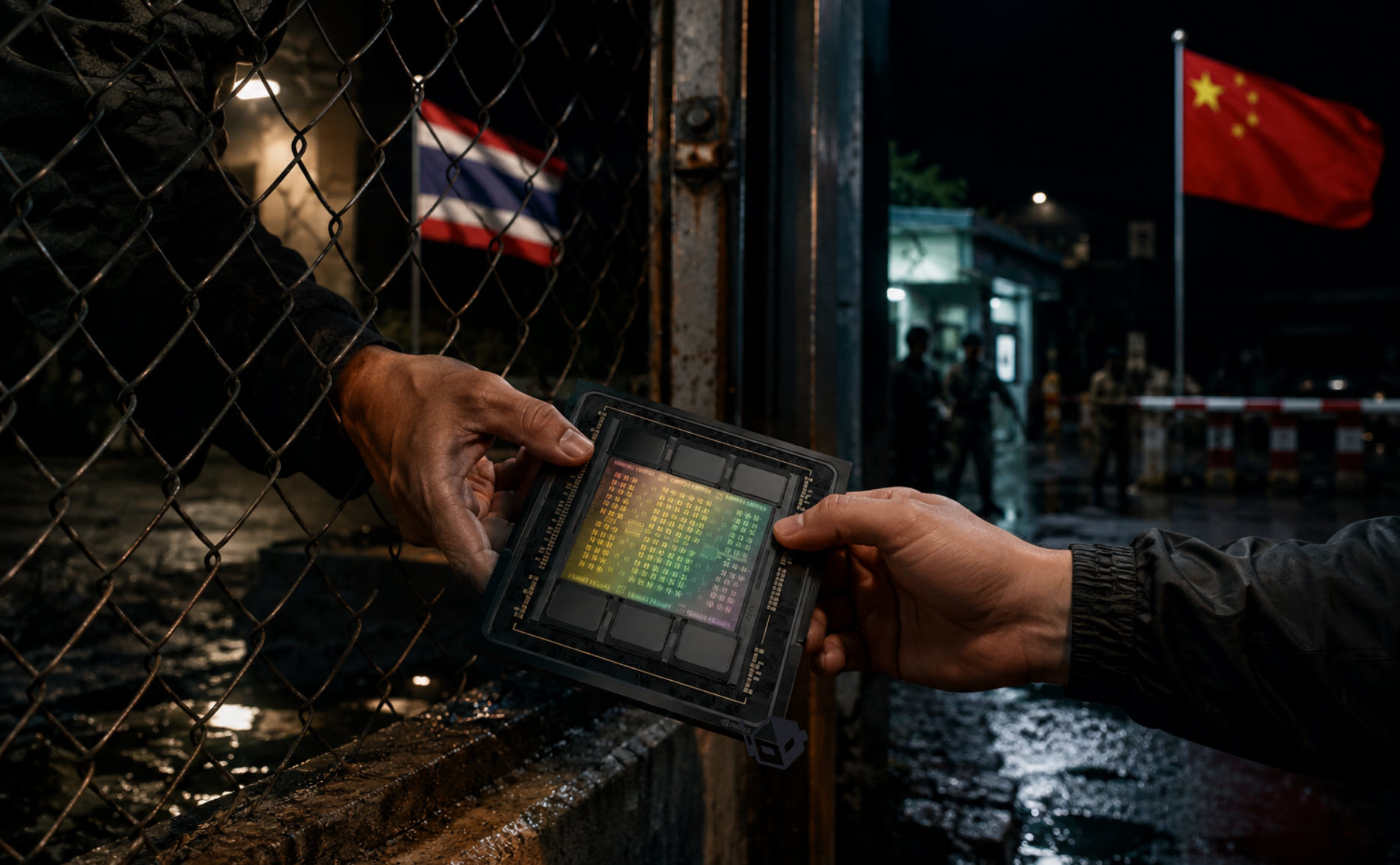
Look, the United States tries. It really does. It slaps bans, tightens screws, and probably makes Jensen Huang sweat a little. But when you’re talking about the kind of AI processing power the Chinese market craves, and when the profit margins on these chips are astronomical, well, let’s just say ingenuity blooms in the shadows. This latest alleged caper involves shipping restricted NVIDIA AI servers – specifically, the much-coveted H200s – through Thailand. The presumption is that Supermicro, a major supplier of server hardware, played a rather central role, using its supposed government connections in Thailand to smooth the path. Then, poof, the hardware lands at Alibaba. It’s a logistical feat, you have to admit, if a profoundly illegal one.
Alibaba has no business relationship with Super Micro, OBON or any third-party brokers who may have been mentioned in the indictment in question.
Alibaba’s denial is predictably swift and firm. They’re saying they have zero involvement, that they don’t use banned chips, and frankly, why would they? This isn’t about a company knowingly buying contraband; it’s about a complex web of brokers and potentially complicit suppliers creating a parallel economy. This situation mirrors the broader trend where Chinese tech giants, unable to get the latest hardware directly, are forced to improvise, turning to regional hubs and, it seems, less-than-scrupulous intermediaries.
Is This a Blip or a Trend?
This isn’t the first time whispers of these kinds of bypasses have surfaced. It speaks to a fundamental challenge for the US: how do you truly enforce export controls on components that are, by their nature, relatively easy to transport and incredibly high in value? The sheer scale of this alleged operation—$2.5 billion—suggests this isn’t a one-off opportunist. This is organized. This is systemic. And it’s happening while Thailand, of all places, is actively trying to attract legitimate AI investment from giants like Microsoft and Google. It’s a messy geopolitical dance, and the chip industry is the dance floor.
NVIDIA’s official line is, of course, all about compliance. They expect their partners to follow the rules. Which, in theory, sounds great. But when you have a product that’s basically the holy grail for AI development, and there’s a motivated buyer on the other side of a ban, the incentive structure for a few bad actors within the supply chain becomes incredibly tempting. It’s like trying to stop water from flowing downhill with a sieve. Even if NVIDIA manages to plug one hole, another is bound to appear.
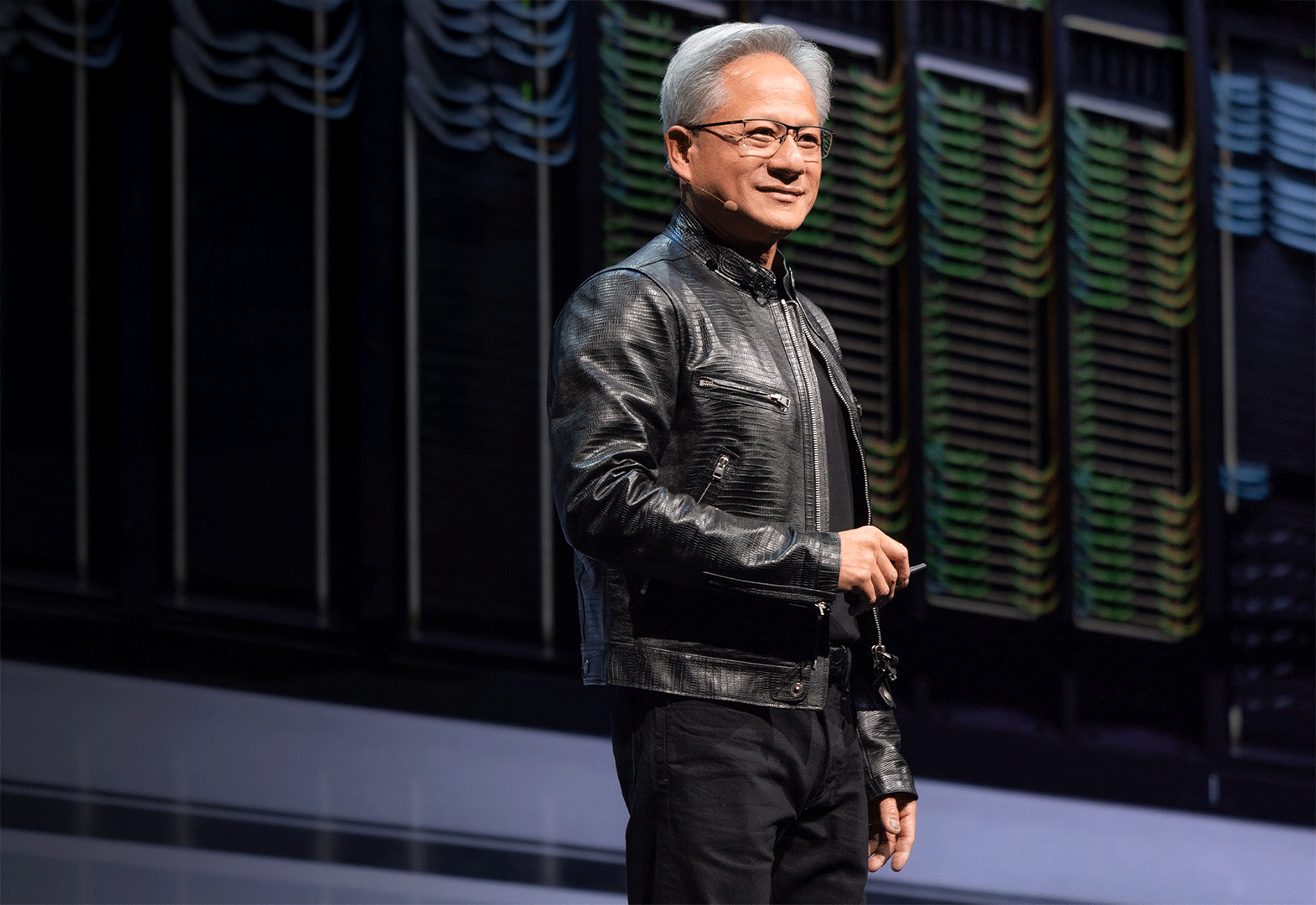
The irony, of course, is that Jensen Huang has publicly stated they’re selling no more chips to China, while simultaneously advocating for global competition. This smuggling ring, if the indictments hold, is competition of a very different, and decidedly unauthorized, kind. It’s a stark reminder that the battle for AI supremacy isn’t just fought in labs and factories; it’s also a constant, shadowy skirmish along the global supply chain.
What Does This Mean for the Future of AI Hardware?
This whole affair highlights a critical flaw in the current enforcement mechanisms. The US may have the power to restrict sales, but it struggles with the practicalities of interdiction. The existence of such a large-scale alleged smuggling ring suggests that current measures are insufficient. Expect to see more focus on supply chain surveillance, perhaps even pressure on countries acting as transit points, though that’s a diplomatic minefield. For companies like NVIDIA, it’s a reputational tightrope walk. They can’t control every single transaction of every partner’s product down the line, but they certainly don’t want to be associated with black market operations. The real beneficiaries? The underground networks facilitating these deals, and the Chinese firms that get their hands on cutting-edge tech, albeit through clandestine means.
FAQ
What are NVIDIA’s AI chips? NVIDIA designs and manufactures high-performance graphics processing units (GPUs) that are widely used for artificial intelligence and machine learning tasks due to their parallel processing capabilities.
Why are US export bans in place for NVIDIA chips? The US government has implemented export controls to restrict China’s access to advanced AI technology, citing national security concerns and the potential for its use in military applications.
Can Alibaba legally buy NVIDIA chips? Direct sales of certain advanced NVIDIA AI chips to Chinese companies are restricted under US export regulations. However, companies may seek alternative channels, like the alleged smuggling ring mentioned, to acquire them, though this is illegal.