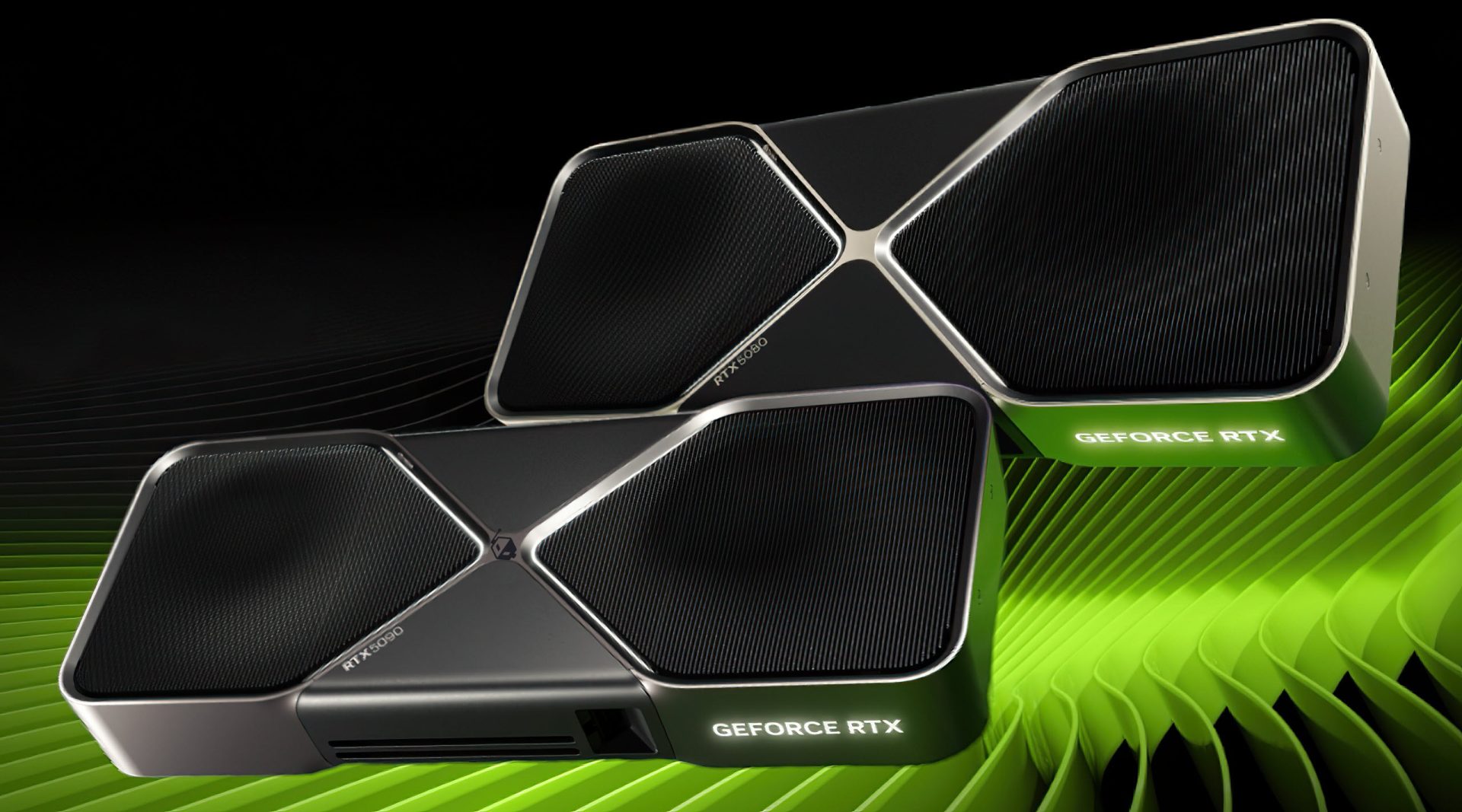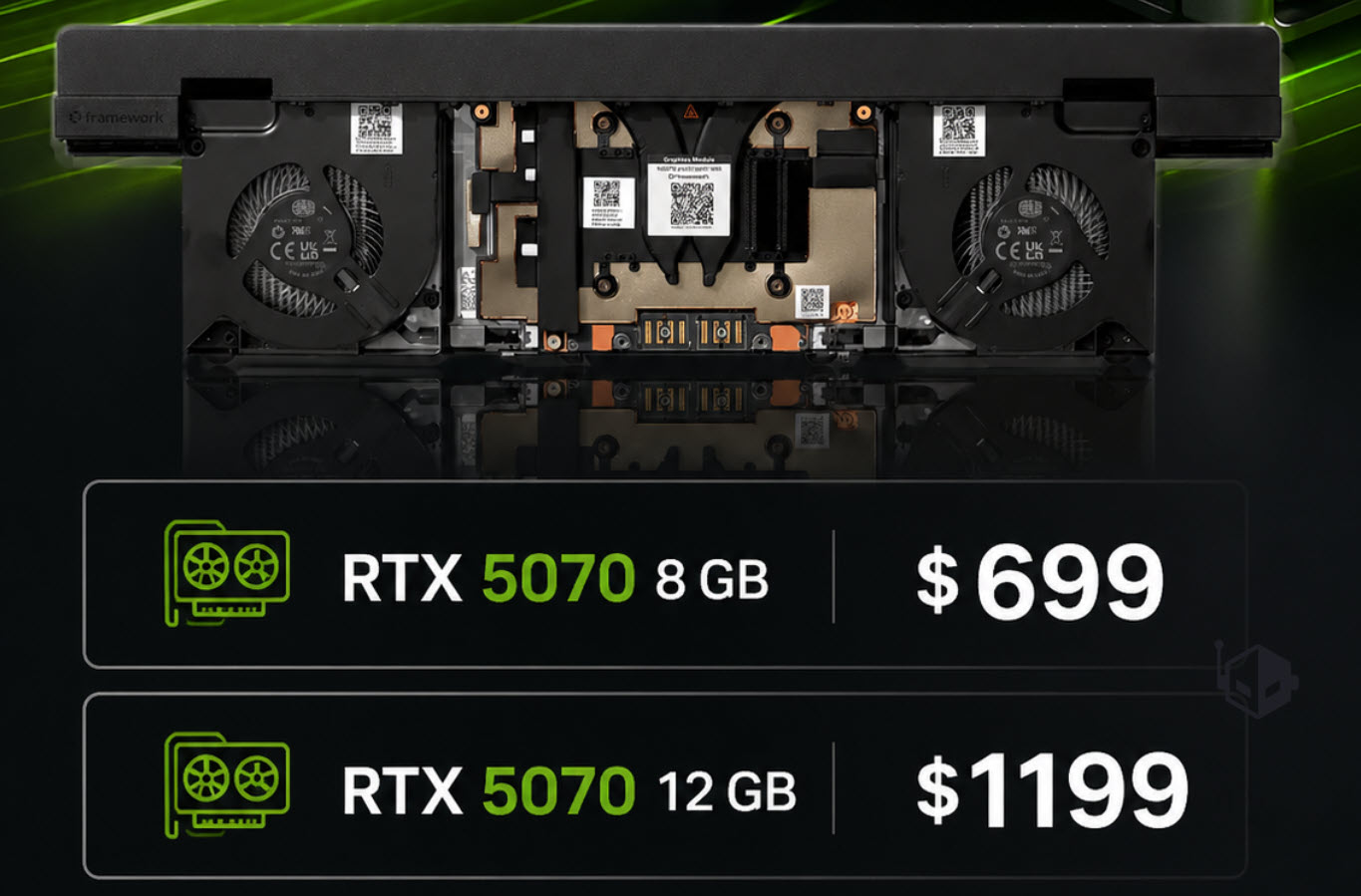
Nvidia dropped a little something into its latest driver release notes. A new 12GB RTX 5070 for laptops. Fifty percent more VRAM than the old 8GB model. Great. Just what we needed. Or did we?
Look, the industry’s been choking on memory shortages for what feels like an eternity. AI chewing through GDDR6 and GDDR7 like it’s going out of style. So, Nvidia decides to slap more VRAM onto an existing chip. It’s like giving a starving man a bigger napkin instead of more food. The new 12GB trim is supposed to help gamers and creators wrestling with texture-hungry titles. And sure, 12GB is better than 8GB when games are pushing the limits. But here’s the kicker: they didn’t touch the bandwidth. Nope.
Why Bother With More VRAM If the Highway’s Still Too Narrow?
The RTX 5070 8GB laptop GPU is already working with a 128-bit memory interface. This new 12GB version? Same interface. Same bus width. The actual performance boost, beyond just fitting more data into VRAM, is questionable. They’re using these 24Gb GDDR7 modules. Fancy. But if they’re running at the same speed as the ones in the 8GB card, and the pipe is the same size, then you’re just loading more stuff into a queue that’s already backed up. It’s like adding more check-in desks at an airport without adding more security lanes. Still a bottleneck.
“The new, higher-capacity RTX 5070 mobile GPU is focused exclusively on providing more memory capacity to gamers and creators, and does not come with any officially announced bandwidth improvements over the 8GB model.”
This feels less like a consumer win and more like Nvidia playing some very careful silicon Tetris. They’ve got these 3GB GDDR7 modules. Rumor has it, they were maybe slated for an RTX 50-series Super refresh that never materialized. Instead of a full refresh, which would involve different silicon or maybe even a wider bus, they’re doling out the higher-capacity memory onto existing, lower-tier parts. Mobile parts are usually where the margins are fattest, so it makes sense they’d reserve the pricier memory for strategically important — and profitable — mobile GPUs.
Is This a Trend or a One-Off?
We’ve seen manufacturers shrink VRAM on desktop cards lately. Manufacturers like AMD, bless their hearts, are trying to offer competitive VRAM counts. Their RX 7900M sports 16GB, and the 7800M rocks 12GB. Nvidia’s 8GB 5070 was looking a bit stingy in comparison. This 12GB version tries to bridge that gap. It slots in above the 8GB model and below the 5070 Ti (which, by the way, does get a wider 192-bit interface and more bandwidth). So, this 12GB 5070 is basically a slightly less constrained version of the 8GB one. It can hold more, but it can’t necessarily spit it out any faster.
It’s a bit of a historical déjà vu. Remember back in the day when graphics cards would get a VRAM bump but the core clock stayed the same? People scratched their heads then too. This feels like that, but with a modern, AI-induced memory scarcity twist. Nvidia isn’t reinventing the wheel here; they’re just painting it a different color and hoping you won’t notice the slightly wobbly spokes.
What does this mean for the average gamer or creator? If you’re hitting VRAM limits on an 8GB card, this might offer some breathing room. You might see higher settings in some games that are VRAM-hungry. But if your issue is raw performance, or games that hammer memory bandwidth specifically, this might not be the magic bullet you’re hoping for. It’s a stopgap. A bandage on a larger supply chain wound.
🧬 Related Insights
- Read more: GPU Architecture Compared: NVIDIA vs AMD vs Intel for AI and Gaming
- Read more: Intel Core Ultra 270K: Killer Specs, Murderous Market
Frequently Asked Questions
What is the new Nvidia RTX 5070 laptop GPU?
It’s a new variant of Nvidia’s mobile GPU that features 12GB of GDDR7 VRAM, a 50% increase over the previous 8GB model. It uses the same underlying GPU chip and memory interface as the 8GB version.
Will this 12GB RTX 5070 laptop GPU improve gaming performance significantly?
It will help in games that are heavily VRAM-limited, allowing for higher texture settings without hitting memory bottlenecks. However, since the memory bandwidth hasn’t increased, games that are bottlenecked by data transfer speeds may not see a significant performance uplift.
Why is Nvidia increasing VRAM on laptop GPUs now?
Nvidia is increasing VRAM capacity on certain laptop GPUs due to ongoing global memory shortages. This allows them to offer more memory to consumers without requiring entirely new chip designs or relying on scarce, high-bandwidth components.