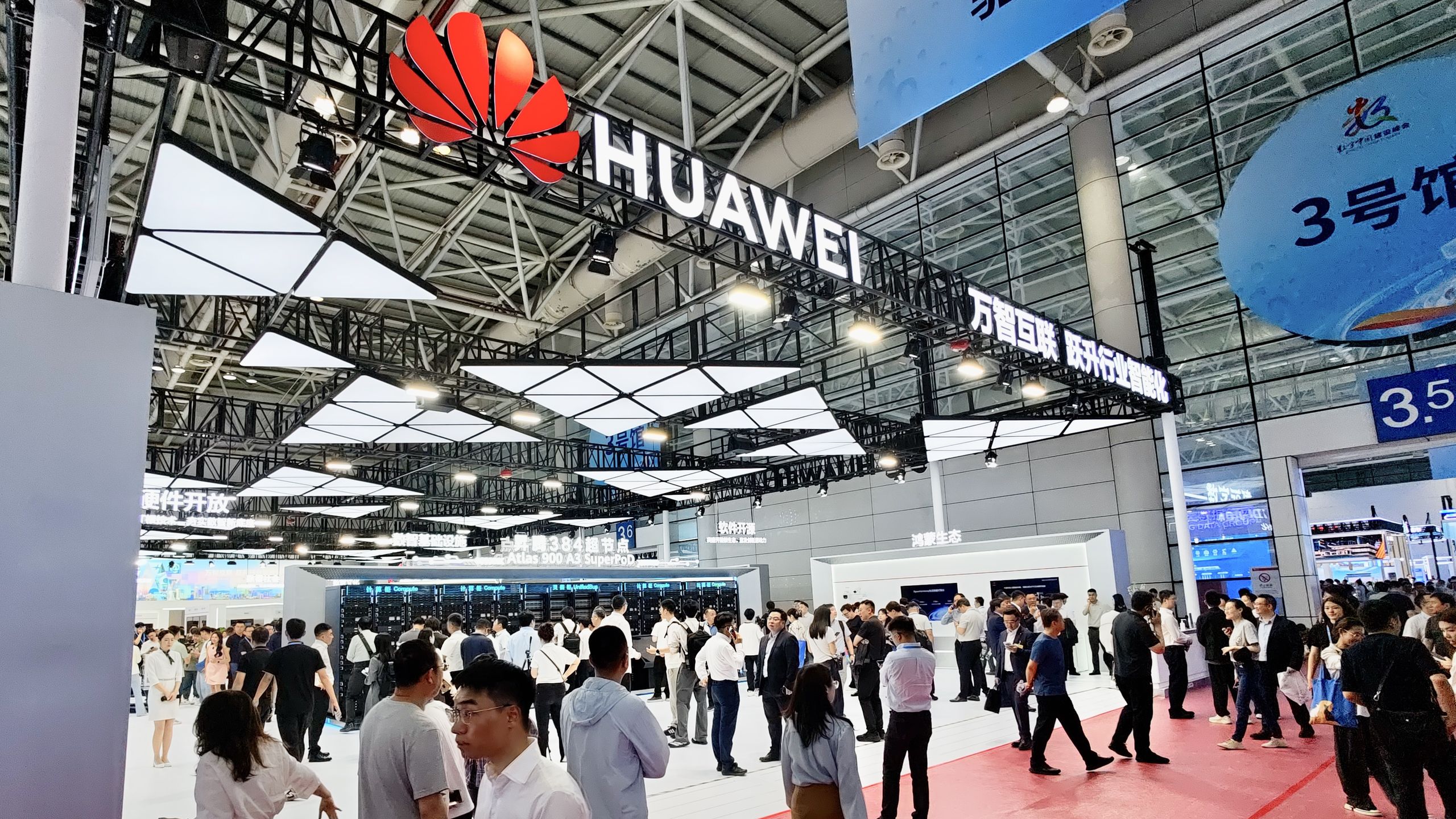
Here’s a number to stop you scrolling: Huawei anticipates its AI chip revenue will skyrocket to $12 billion this year. That’s not some optimistic projection whispered in a boardroom; it’s a 60% jump from last year, fueled by existing orders for their 950PR chip, which just hit mass production. Meanwhile, the undisputed king, Nvidia, is stuck in regulatory purgatory. Go figure.
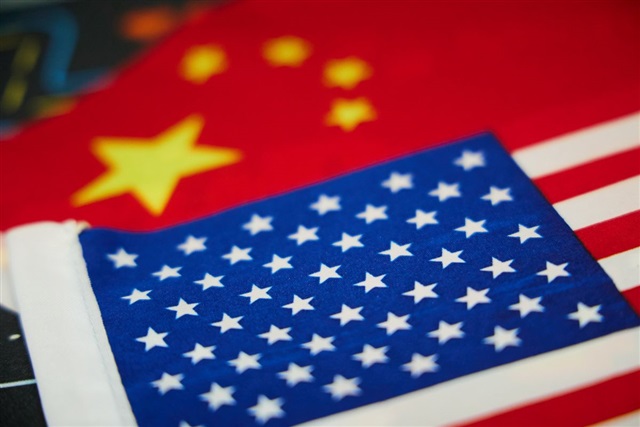
I’ve covered Silicon Valley for two decades, and this tango between geopolitical posturing and tech dominance is as old as time. Remember when the US government decided to really stick it to China over tech? Yeah, that’s hitting Nvidia square in the data center business. Their China operations, once a quarter of their data center revenue, are now choked by export restrictions and — get this — Chinese import regulations that seem designed to create a Kafkaesque nightmare. Nvidia claims they got licenses for their H200 chips, even secured orders, but shipments? Stuck. Apparently, the US wants them used only in China, while Beijing’s telling its companies to use Chinese chips domestically. It’s a beautiful mess.
The Domestic Uprising
So, while Nvidia’s fumbling with customs forms, Huawei’s making moves. They’re not just dabbling; they’re aggressively expanding. Most of their chips are churned out by SMIC, China’s premier foundry, which is adding two more fabs this year. If they can actually ramp production efficiently — and that’s always the million-dollar question with foundries — Huawei’s revenue forecast looks less like a wish and more like a statement.
And let’s be clear: Nvidia’s chips are still technically superior. They’re the Ferraris of AI hardware. But Huawei’s playing chess while Nvidia’s trying to out-accelerate a train. Their strategy? Go after the inference market. This is the part where AI models actually do things – answer questions, drive cars, all that jazz. It’s less computationally demanding than training the behemoths, meaning Huawei can compete even with its less powerful, but more accessible, chips. They’re chaining these chips together with their own networking tech, creating clusters that punch above their individual weight. It’s a bit like building a fleet of reliable sedans to dominate city driving when the other guy has a single, gas-guzzling supercar.
Who’s Afraid of the Big Bad Wolf?
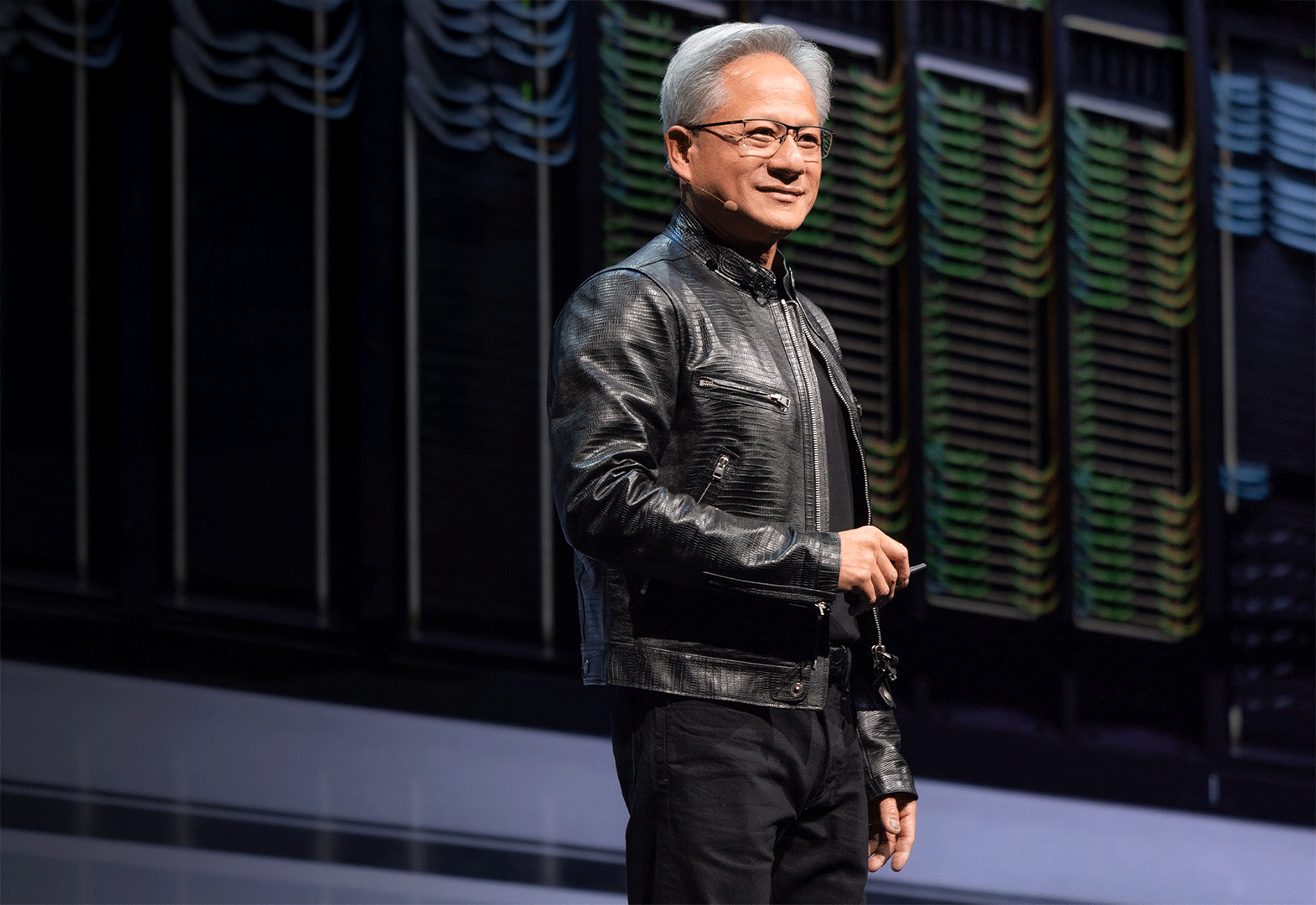
This isn’t just theoretical. DeepSeek, a prominent AI outfit, trained its latest model on Nvidia but is using Huawei’s 950PR for inference. Nvidia’s CEO, Jensen Huang, is practically weeping about it. He recently fretted on a podcast about a future where AI models run best on non-American hardware. Can you imagine? The horror.
“The day that DeepSeek comes out on Huawei first, that is a horrible outcome for our nation - It could lead to a scenario where AI models around the world are developed and they run best on non-American hardware.”
It’s a legitimate concern, even if delivered with a side of Silicon Valley drama. For now, Nvidia still has a massive ace up its sleeve: its software ecosystem. CUDA is king. Huawei’s trying with its Cann platform, but developers say it’s clunky, immature. That friction adds cost and complexity, keeping many locked into Nvidia’s walled garden. But gardens can be overgrown, and weeds can take root.
China’s AI chip market is projected to be a staggering $67 billion by 2030, with domestic players expected to grab 86% of it. That’s not just a slice; it’s the whole damn pie. Morgan Stanley figures Chinese suppliers could hit $21 billion this year alone. So, while the geopolitical games continue, the money keeps flowing towards homegrown solutions. It’s a bet on national champions, and right now, Huawei’s looking like the star player.
What Does This Mean for You?
For developers, it’s a wake-up call. Sticking solely to Nvidia’s CUDA might be comfortable now, but as Chinese alternatives mature, embracing them could unlock new opportunities and cost efficiencies. For businesses, it’s about hedging your bets. Relying solely on one nation’s chip manufacturing capacity is becoming a risky proposition. Diversification isn’t just smart; it’s survival.
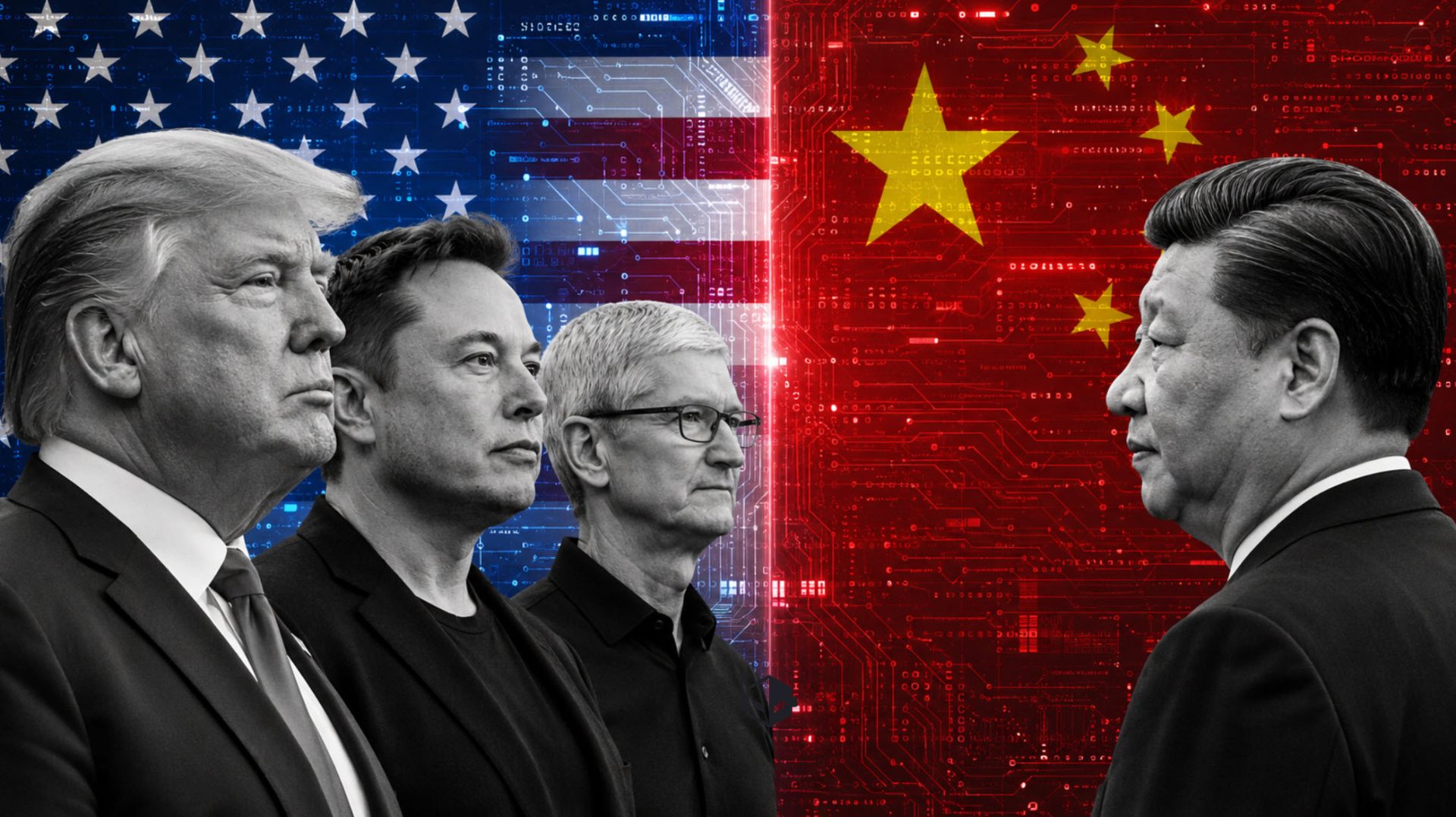
This isn’t just about chips; it’s about technological sovereignty. Beijing wants its own AI powerhouses, and it’s willing to subsidize, regulate, and orchestrate its way there. Huawei, once humbled by US sanctions, is now the chosen instrument. Whether they can truly seize the crown from Nvidia by 2026, or if Nvidia can navigate the red tape, remains the cliffhanger in this tech saga. My money? Expect a very different landscape by then.
🧬 Related Insights
- Read more: Amazon’s Jassy: Trainium and Graviton Now Gunning for NVIDIA’s Throne
- Read more: NVIDIA’s 1,000,000x Efficiency Sprint: Real Moonshot or Just Better Chips?
Frequently Asked Questions
What is Huawei’s 950PR chip? Huawei’s 950PR is their latest AI processor, designed for inference tasks and entering mass production. It’s positioned as a domestic alternative to Nvidia chips in China.
Why are Nvidia’s AI chip shipments to China stalling? Nvidia faces a complex web of US export restrictions and Chinese import regulations. These contradictory demands create delays and uncertainty in clearing shipments, impacting their ability to serve the Chinese market.
Will Huawei’s AI chips replace Nvidia’s globally? Globally, Nvidia’s software ecosystem (like CUDA) and established performance still give it a significant advantage. Huawei’s immediate focus appears to be dominating the Chinese market, but their success there could fuel future international competition.