Chipmakers are scrambling. Notices hit inboxes last week—price hikes, renegotiations, the works. And it’s not just the giants; small firms too, all whispering the same panic: advanced packaging costs are rocketing ahead of foundry price bumps, squeezing margins like a vice on a wafer.
Zoom out. This isn’t some blip. We’re in the golden age of AI chips, where hyperscalers demand ever-denser silicon brains—think NVIDIA’s Blackwell behemoths or AMD’s MI300X monsters. But here’s the kicker: while TSMC and Samsung nudge up foundry fees by a tidy 5-10% yearly, packaging tech—stacking those dies into 3D masterpieces—balloons 20% or more. It’s like building a skyscraper where the foundation costs double overnight.
“These moves aim to pass on steadily rising manufacturing costs,” one industry insider told Chip Beat, echoing notices from firms like ASE and Amkor.
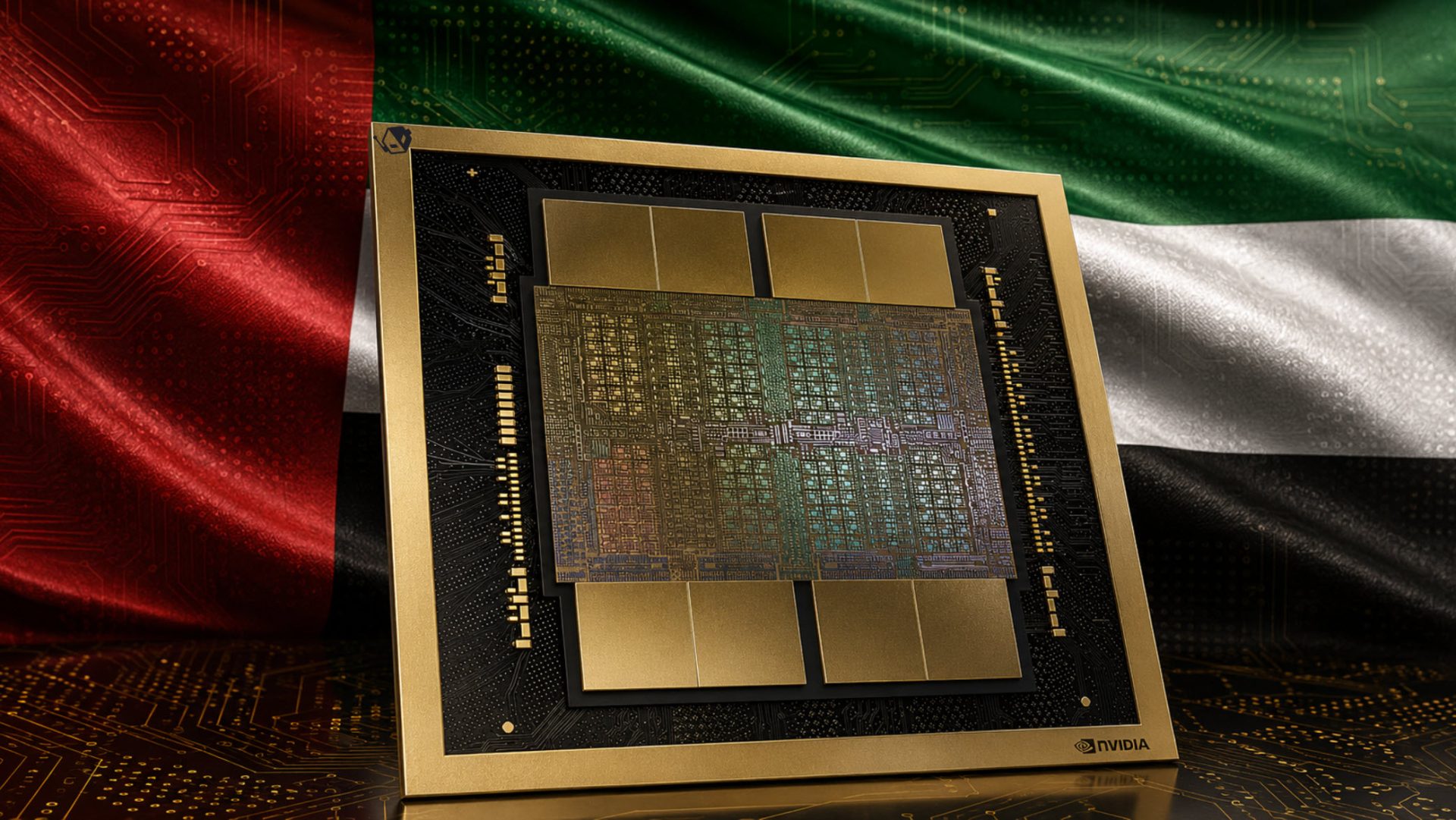
And boy, do they rise. CoWoS, the packaging wizardry gluing HBM memory to GPUs, hit shortages that turned fabs into battlegrounds. Remember 2023? NVIDIA cornered the supply, leaving rivals in the dust. Now, even they feel the pinch.
Exploding like a supernova.
Why Are Packaging Costs Outpacing Foundry Hikes?
Look, foundry costs? Predictable. A node shrink here, EUV lithography there—TSMC’s got it down to a science, hiking prices in lockstep with inflation plus a profit buffer. But packaging? That’s the wild west of chipmaking.
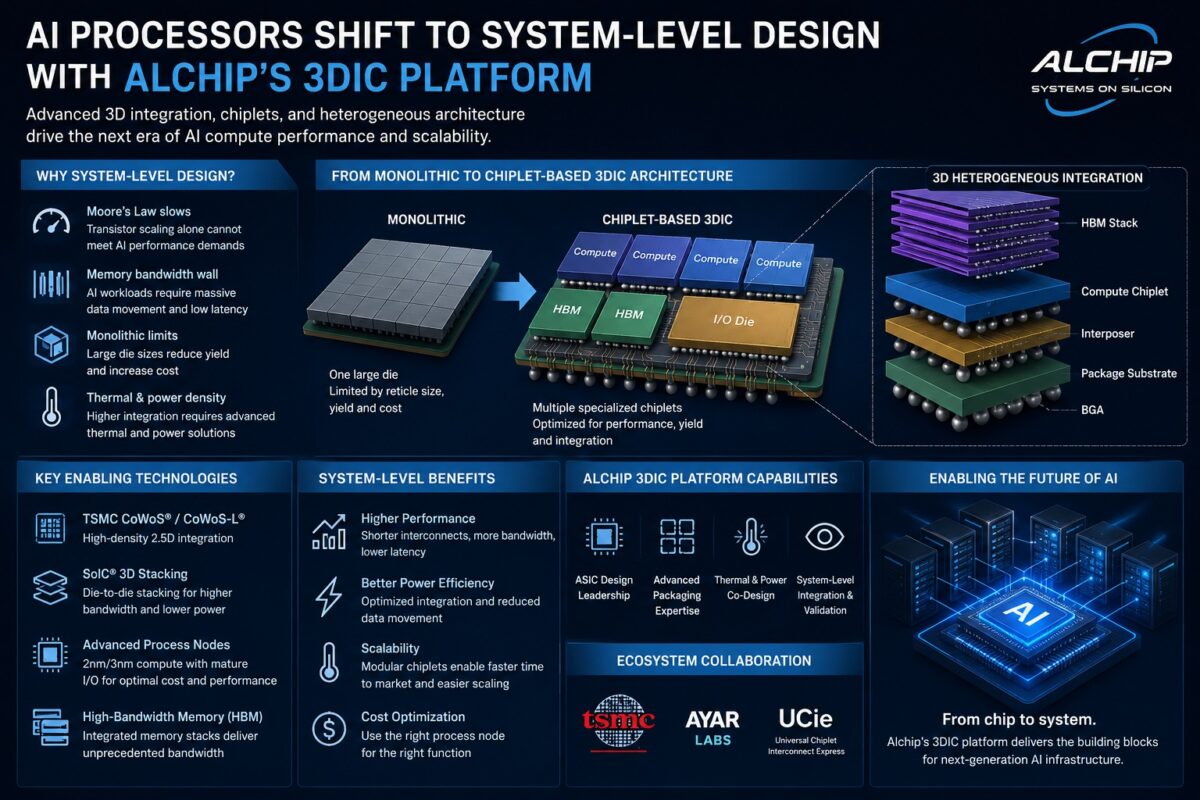
You’re stacking dies—high-bandwidth memory towers perched on compute logic, all interlinked by microscopic bridges. One slip, and your trillion-transistor dream shatters. Yields plummet. Materials like organic substrates and copper pillars? Skyrocketing, thanks to supply snarls from Japan to Taiwan. Add in the gold rush for AI: every datacenter needs these 3D-stacked marvels, bidding up capacity like it’s Bitcoin in 2017.
Here’s my unique spin—no one’s saying this yet: This mirrors the 1980s memory boom-bust. Back then, DRAM prices swung wild as fabs chased demand. Today, packaging’s the new DRAM—essential, scarce, volatile. Chipmakers passing costs now? Smart hedge. Ignore it, and you’re Intel in ‘22, bleeding red while NVIDIA soars.
But wait—there’s hype to unpack. Foundries spin tales of ‘stable pricing ecosystems.’ Please. That’s PR gloss over a supply crunch that’s pure physics meeting greed.
Short paragraphs hit hard.
Will Chip Price Hikes Kill the AI Boom?
Nah. Not even close. AI’s a platform shift—bigger than the internet, hungrier than smartphones ever dreamed. These hikes? They’ll sting consumers a bit—your next RTX 5090 might nudge $1,500 instead of $1,200—but hyperscalers like Google and Meta? They’ll pay. Why? Because training GPT-5 or Llama 4 demands these packaged powerhouses. No alternatives yet.
Picture it: a GPU as a rocket ship. Foundry builds the fuselage (steady costs). Packaging straps on the engines—thrust multipliers that make AI fly. Costs up? Ships still launch. Just pricier tickets.
Yet, here’s the energy: Innovation explodes in response. Startups like Deca Technologies push fan-out wafer-level packaging, slashing costs 30% for edge AI. TSMC’s CoWoS-L scales to 12-reticle monsters by 2026. It’s chaos breeding genius.
And the ripple? Small chip designers—ASIC firms feeding custom AI accelerators—get hammered first. They lack NVIDIA’s volume use. Renegotiations turn cutthroat. Winners consolidate; losers fold.
So, what if?
This cost frenzy forces a rethink. Co-packaged optics—merging photonics with silicon—could slash power-hungry interconnects, taming packaging sprawl. Bold prediction: By 2027, it’ll be table stakes, birthing a new $50B market. Chipmakers hiking now buy time for that pivot.
How Does This Hit Your Wallet—and the Supply Chain?
Consumers, brace. GPUs, CPUs, even smartphones feel the echo—Apple’s A19 might cost 7% more to fab. But it’s the AI supply chain that quakes. Geopolitics amps it: Taiwan’s quake risks, US CHIPS Act subsidies chasing domestic packaging (Intel’s Ohio bet, anyone?).
Energy surges through the lines. Vendors like Amkor report 25% packaging inflation—“unprecedented,” they say. Customers push back, but use fades. It’s a tide lifting all boats, or sinking the small ones.
One firm exec, off-record: “We’re not greedy. Physics doesn’t negotiate.”
True enough. But let’s call the spin: ‘Select customers’ means big boys get deals; SMBs eat the hike. Skepticism reigns—Chip Beat’s creed.
Wander a bit: Imagine 2030. AI chips packaged like Lego—modular, cheap, everywhere. Costs normalize. But today’s squeeze? The forge tempering tomorrow’s steel.
The Futurist’s Fire
This isn’t doom. It’s dawn. Packaging’s pain births denser, faster AI silicon—path to AGI, maybe. Chipmakers adapt or die, but adapt they will. Wonder at it: From sand to sentience, costs climb, but so does capability. Buckle up.
**
🧬 Related Insights
- Read more:
- Read more: HWMonitor and CPU-Z Downloads Serve Up Malware—Official Links Compromised
Frequently Asked Questions**
What are advanced packaging costs doing to chip prices?
They’re driving hikes across the board—firms passing on 20%+ surges that outstrip foundry fees, hitting GPUs and AI accelerators hardest.
Will packaging shortages delay my next NVIDIA GPU?
Likely yes—demand for CoWoS outstrips supply through 2025, pushing prices up 10-15% short-term.
Is this the end of cheap AI hardware?
No way—innovation will catch up, with new tech like chiplet stacking slashing costs by 2027.