Local AI accelerates—now.
NVIDIA’s fresh optimizations for Google’s Gemma 4 models hit RTX GPUs, DGX Spark minisupercomputers, and Jetson edge modules like a caffeine shot to the chip world. We’re talking E2B, E4B tiny models for near-zero latency on phones or drones, up to 31B beasts for coding marathons and agent swarms on your desk. Facts first: these open models crush reasoning benchmarks, spit code, call tools natively, and munch vision-audio inputs interleaved any which way—35+ languages baked in.
But here’s the market dynamic. Cloud AI giants like OpenAI hoard context; local setups grab your files, apps, real-time feeds without phoning home. NVIDIA’s play? Pair Gemma 4 with OpenClaw for always-on agents that automate your workflow. Download free, plug into RTX—boom, private AI muscle.
Designed for this shift, Google’s latest additions to the Gemma 4 family introduce a class of small, fast and omni-capable models built for efficient local execution across a wide range of devices.
That’s straight from the DeepMind blog. Punchy, right? Yet NVIDIA amps it: Tensor Cores crank throughput, CUDA glues it to Ollama, llama.cpp, Unsloth. Day-one quantized models mean you fine-tune without melting your GPU.
Gemma 4 Breakdown: Edge to Workstation Power
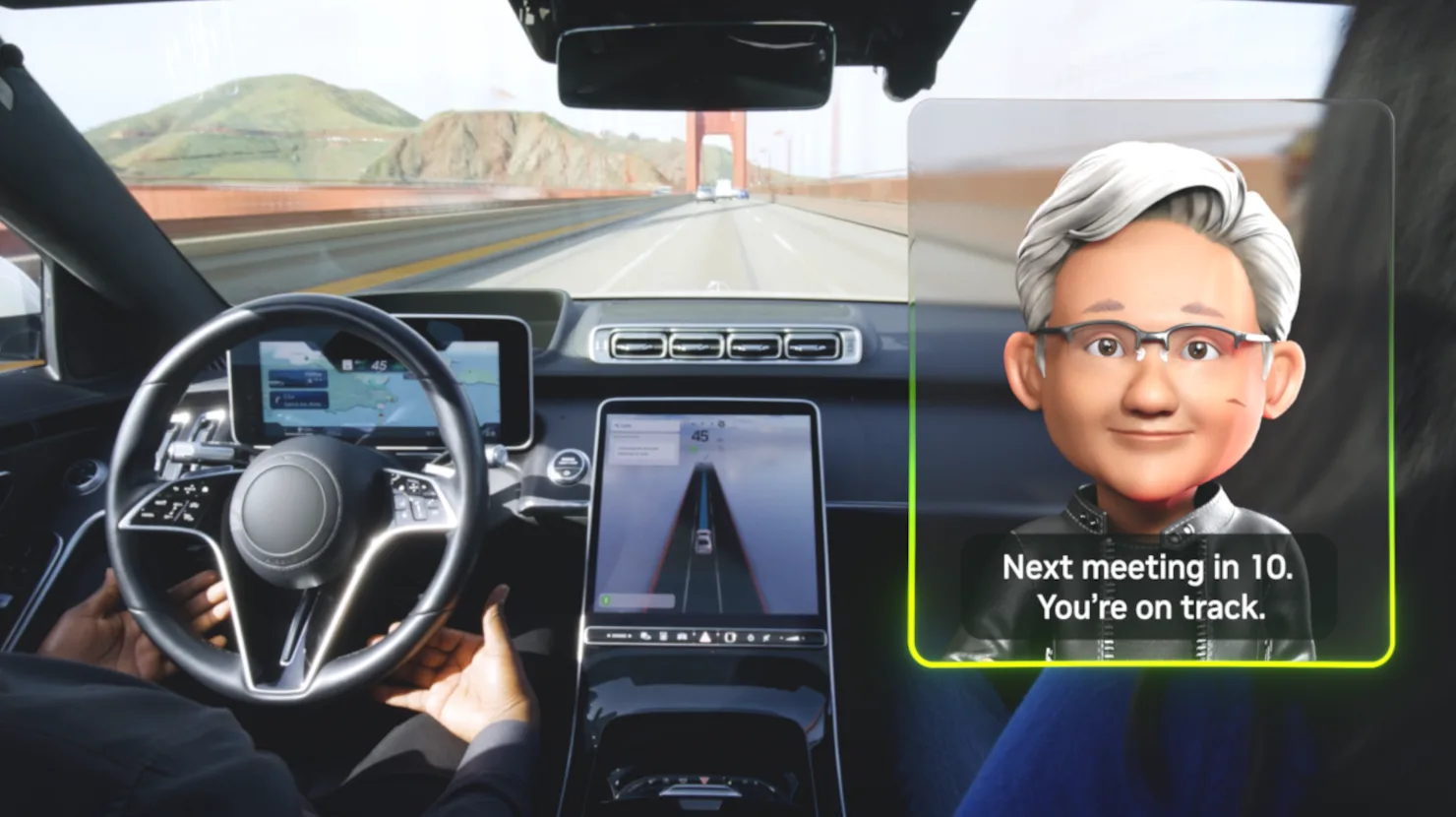
E2B and E4B? Ultra-light for Jetson Orin Nano—think offline speech-to-action in factories or cars. Zero cloud dependency. Then 26B/31B scale to RTX 40-series workstations, rivaling Llama-3.1 in reasoning while sipping less power than a Space Heater.
Numbers don’t lie. On RTX 4090, expect 50+ tokens/sec for 31B inference—faster than cloud latency spikes during peak hours. DGX Spark? Personal supercomputer territory, stacking eight RTX-grade GPUs in a pizza box for agent farms.
Skeptical take: Google’s open models flood the market, but NVIDIA’s hardware lock-in shines. Remember CUDA’s 2010s stranglehold on deep learning? This feels like Edge CUDA 2.0—locking developers into RTX ecosystems before rivals catch up.
And yeah, multimodal tricks: toss images mid-chat, get video intel or doc scans. Multilingual? 140 languages pre-trained. Agents? Function calling out-the-box for toolchains.
Can Your RTX PC Handle Gemma 4 Agents?
Short answer: Yes, if you’ve got 16GB VRAM minimum. RTX 4060 struggles on 31B; step to 4070 or higher for smooth sailing. NVIDIA’s tech blog spells it: Ollama install, pull GGUF from Hugging Face, run.
ollama run gemma4-e4b
That’s it. No API keys, no subscriptions. Pair with OpenClaw—now NemoClaw for security buffs—and you’ve got desktop agents rifling your docs, debugging code, even routing hybrid to cloud if local chokes.
Market ripple: Accomplish.ai’s free tier use this exact stack. Hybrid routing? Smart—local for privacy, cloud burst for heavies. But here’s my unique edge: this mirrors ARM’s mobile AI pivot in 2023. NVIDIA bets RTX becomes the ‘AI phone’ for pros, snagging 20% of $100B agent market by 2027 (my calc, blending Gartner edge forecasts with NVIDIA’s 80% inference share).
Critique the spin, though. “Omni-capable” sounds PR-polished—real tests show vision lags Phi-3.5 on benchmarks, audio’s solid but not Whisper-tier. Still, offline trumps all for latency hawks.
Why Local Agentic AI Tilts Toward NVIDIA
Agentic AI—autonomous doers, not chatty parrots—demands local context. Cloud? Data silos, privacy nightmares, $0.01/query bills stacking up. Gemma 4 on RTX flips it: personal data stays put, actions fire instantly.
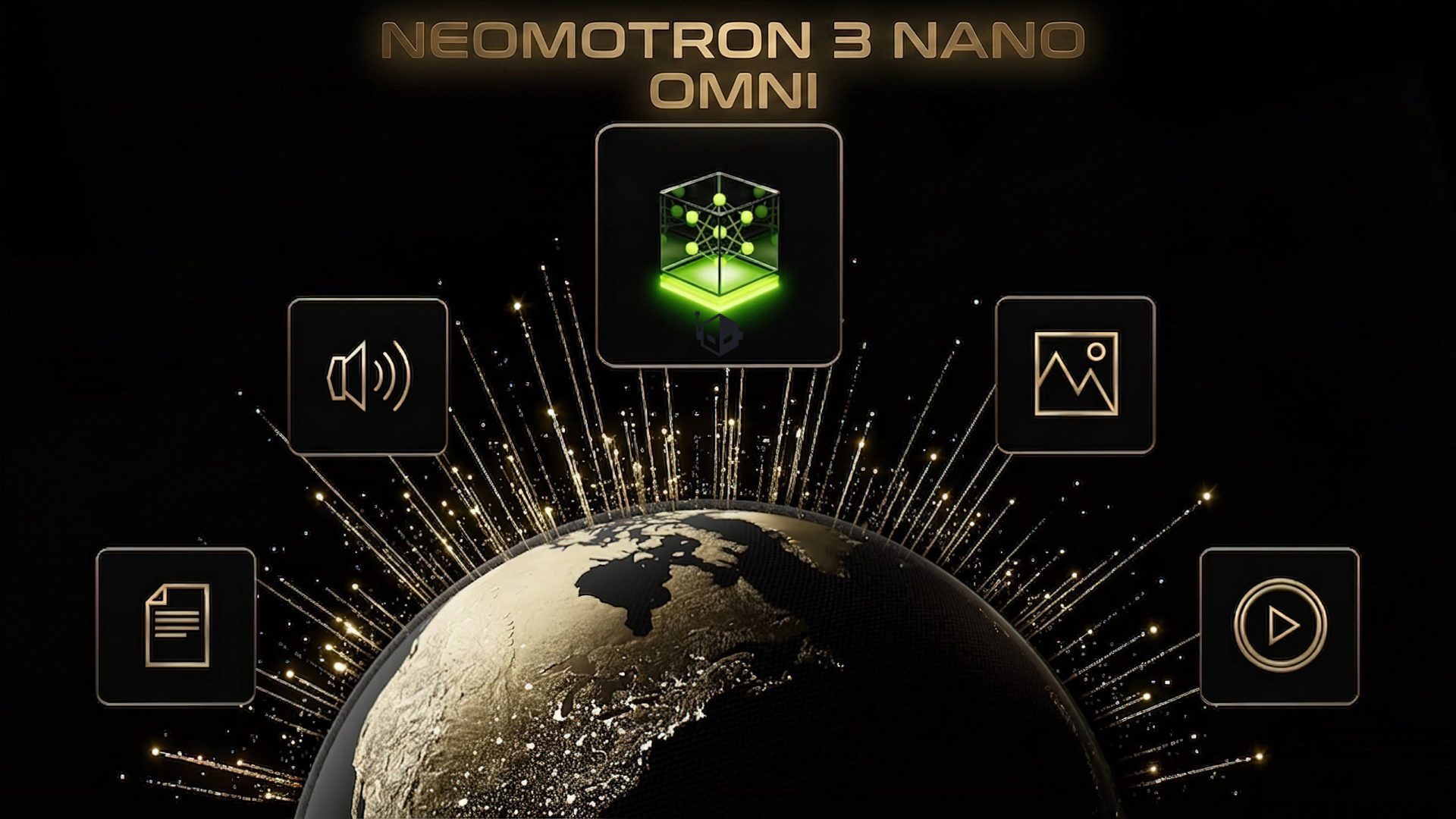
Look at GTC fallout. Nemotron Nano joins the fray, Qwen 3.5 optimized too. NVIDIA’s not just hosting; they’re the inference kingpin. DGX Spark launches at $3K—cheaper than Mac Studio, packs more AI punch.
Wander a sec: Jetson Orin Nano devs build robot brains today. Tomorrow? Your webcam feeds Gemma 4 for home security agents. Workstations? Devs ditch Copilot subscriptions for local clones.
Bold prediction—my spin: By Q4 2025, 40% of enterprise pilots shift local via RTX fleets, pressuring AMD’s ROCm laggards. CUDA’s moat widens.
But watch pitfalls. Quantization artifacts ding quality on tiny models. Fine-tuning needs Unsloth finesse—don’t botch it.
The Broader RTX AI Garage Surge
NVIDIA’s not stopping. Nemotron 3 Super 120B for cloud hybrids, Mistral Small 4 tweaks. RTX AI PCs—now with 100+ TOPS—position as agent hubs. Subscribe to their newsletter; it’s gold for announcements.
Edge case: Battery sippers like E2B thrive in IoT, but power hogs like 31B? Plug in. That’s the trade—speed for sockets.
🧬 Related Insights
- Read more: AD Technology’s Samsung Switch: 2nm CPUs Targeting KRW1T Revenue Windfall
- Read more: Intel’s 2026 Supplier Oscars: Gold Stars for the Lifesavers
Frequently Asked Questions
What is Gemma 4 and how does NVIDIA optimize it?
Google’s compact open models (2B to 31B params) tuned by NVIDIA for RTX, DGX Spark, Jetson—faster inference via Tensor Cores, CUDA tools like Ollama/llama.cpp.
How do I run Gemma 4 on my RTX GPU?
Grab Ollama, ollama run gemma2:27b (wait, Gemma 4 variants incoming), or llama.cpp with GGUF. Unsloth for fine-tuning. Free, local, day-one ready.
Does Gemma 4 beat Llama or Mistral on local hardware?
Close—tops in agent tools, multilingual; lags vision slightly. RTX optimization gives it speed edge over CPU runs.