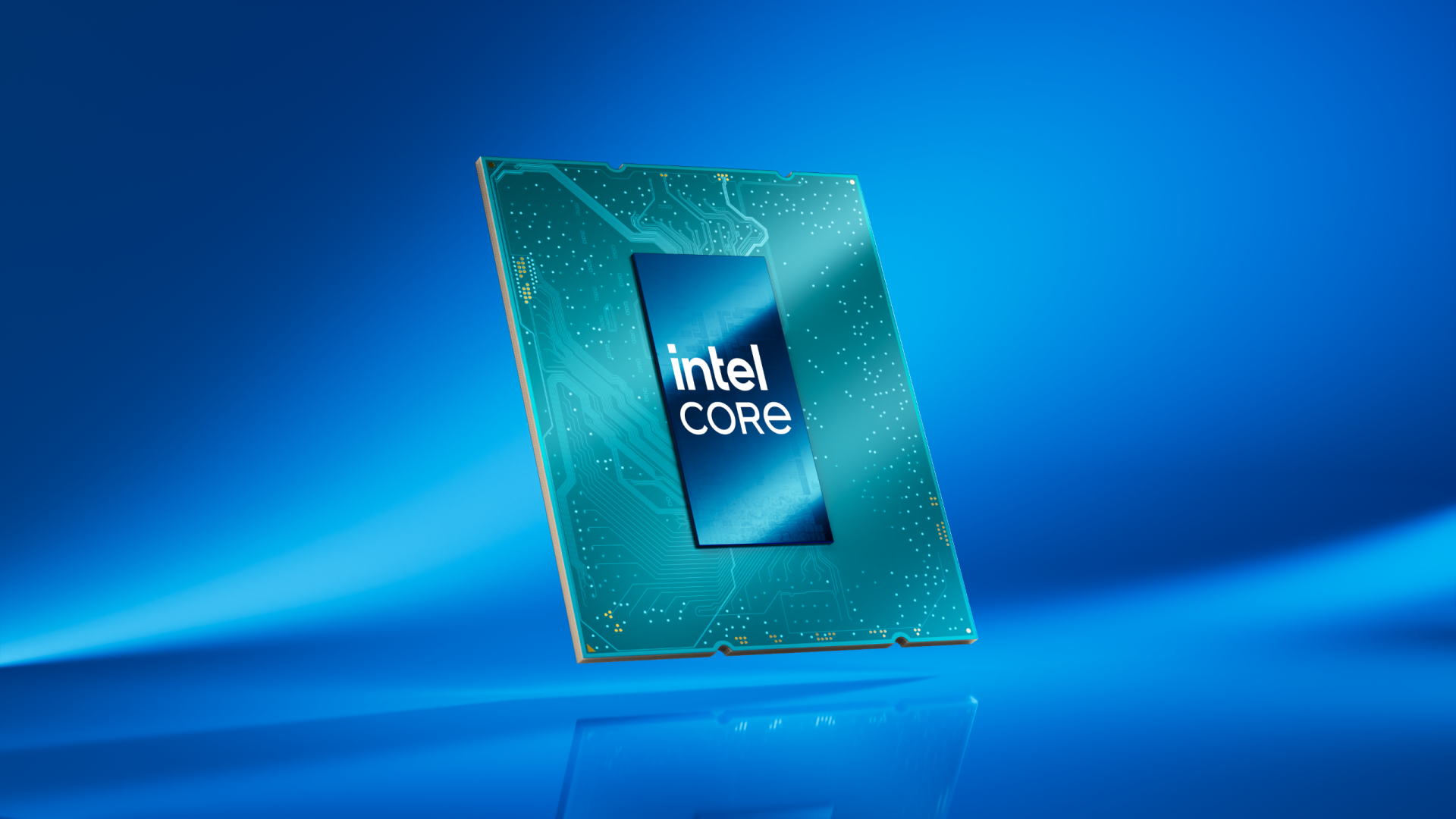
And here we are, folks. Staring at benchmarks that make you tilt your head and go, “Wait, what?” Intel’s brand-new, shiny Bartlett Lake flagship CPU, the Core 9 273PQE, boasting a whopping 12 P-cores, has just been put through its paces. And guess what? It’s essentially tying with a CPU that’s been around for four years. I’m talking about the Core i9-13900K, a chip that’s practically ancient by tech standards.
This isn’t just a minor stumble; it’s like bringing a rocket ship to a go-kart race and then coming in second. We’re seeing benchmarks where this supposedly cutting-edge Bartlett Lake chip, even when pushed to nearly 5.30 GHz (though it can technically boost to 5.9 GHz), can’t pull ahead of the older 13900K. And the 13900K? It was closer to its max turbo than the 273PQE was to its own. Mind. Blown.
So, What’s the Big Deal About Bartlett Lake?
Look, the idea behind Bartlett Lake, with its P-core-only configuration, was probably supposed to be a sleek, powerful engine for specific workloads. You’d think more performance cores would translate directly to a smoother, faster gaming experience. It’s like thinking a bigger engine in your car automatically means it’ll corner better. But in this case, the data from PC Games Hardware suggests that adding those extra P-cores just isn’t doing the trick for gaming.
In a staggering number of tests – about 15 games, to be exact – the Core 9 273PQE simply couldn’t outclass the 13900K. Now, the 13900K does have those E-cores, the efficient little workers humming in the background. But gaming, traditionally, isn’t the arena where E-cores really shine. So, we’re watching 12 dedicated performance powerhouses go head-to-head with 8 performance cores and a gaggle of efficiency cores, and… it’s a draw. A flat, undeniable draw.
Is This a Platform Shift Missed?
This whole situation has me thinking about how we understand what makes a platform truly advanced. We’ve spent years chasing raw core counts, faster clock speeds, and bigger caches, and for a while, that was the game. But AI, and the way software is starting to think, is changing the rules of engagement. We’re not just talking about brute force anymore; we’re talking about intelligence, about how efficiently a chip can orchestrate tasks.
And here’s my unique insight: Intel might be missing the forest for the trees with Bartlett Lake. They’re so focused on a specific architectural approach – more P-cores – that they’re forgetting that the application of those cores is what truly matters. It’s like a chef meticulously perfecting a single ingredient, only to find it doesn’t complement the rest of the dish. The market, particularly the consumer gaming market, doesn’t need more P-cores if they aren’t intelligently utilized or don’t offer a demonstrable benefit over existing, proven solutions.
This makes me wonder if Bartlett Lake is being positioned more for embedded or specialized applications where that P-core-only design might actually have a niche, while Raptor Lake and its successors continue to reign in the consumer space. It’s a strategic move, sure, but it’s also a stark admission that their bleeding-edge isn’t bleeding enough for gamers.
The gaming benchmarks do confirm that gaming workloads don’t require more than 8 performance cores for optimal performance.
And that, my friends, is the kicker. A company’s flagship product, in its most anticipated segment, is showing that the current standard is already more than sufficient. It’s a proof to how mature the x86 architecture has become for gaming, and perhaps a wake-up call for Intel to rethink its core strategy for the enthusiast market. We’re not just looking for more horsepower; we’re looking for smarter horsepower.
Why Does This Matter for Your Next Rig?
If you’re a gamer, this is actually pretty good news. It means that the CPU you might have bought two or three years ago is likely still a beast for your gaming needs. The insane leaps in CPU performance we used to see year-over-year have plateaued for gaming, largely because games themselves haven’t evolved their demands at the same pace. So, instead of feeling pressured to upgrade to the latest, potentially overpriced chip with marginal gains, you can probably stick with what you have or look at slightly older, still-powerful options. It’s a win for the wallet and a win for sanity.
This also signals a potential shift in how chip manufacturers will communicate value. If raw core counts aren’t the story, then what is? Perhaps it’s about AI acceleration, efficiency improvements that translate to battery life (for laptops, of course), or even new instruction sets that unlock future software capabilities. Intel’s Bartlett Lake, in its current gaming iteration, isn’t telling that new story. It’s a familiar, if slightly disappointing, chapter.
🧬 Related Insights
- Read more: D-Wave Quantum’s Supercomputing Push Gets Second Wind
- Read more: NVIDIA CloudXR.js Unlocks Browser XR Streaming—No More App Hell for Enterprises
Frequently Asked Questions
What is Intel’s Bartlett Lake CPU?
Bartlett Lake is Intel’s codename for a new generation of CPUs, with the flagship Core 9 273PQE featuring 12 performance (P) cores. Early benchmarks show it performing similarly to older CPUs in gaming.
Why didn’t the 12 P-core CPU beat the older i9-13900K in gaming?
While it has more P-cores, the architecture and optimization for gaming workloads may not be as effective as the slightly older i9-13900K. Gaming performance appears to have plateaued at 8 performance cores for current titles.
Is Intel Bartlett Lake bad for gaming?
Based on initial benchmarks, the Bartlett Lake flagship doesn’t offer a noticeable improvement over a 4-year-old chip in gaming. It may be better suited for other specialized tasks rather than being a top-tier gaming CPU.