A PC gamer somewhere, squinting at his 720p monitor, probably just got some very unwelcome news.
Intel’s so-called “Bartlett Lake” CPU, codenamed the Core 9 273PQE, has apparently elbowed its way to the front of the pack, at least in gaming. We’re talking about a chip that’s not even supposed to be on your desk, mind you. It’s an embedded part. You know, the kind you find powering industrial refrigerators or maybe a particularly smug smart toaster.
But this P-core-only Raptor Cove silicon, unearthed by the diligent folks at PCGamesHardware, is doing something interesting. A YouTuber (because of course) put this embedded beast through its paces, and the results are… well, they’re something. Up to 9% faster than the reigning king, the i9-14900K, in certain games. Nine percent. That’s enough to make Intel’s marketing department sweat.
Is This Intel’s New Gaming Champion? Almost.
The benchmarks paint a picture. Horizon Zero Dawn sees a 5.4% bump. Monster Hunter Wilds nudges up 6.7%. Outcast — yes, Outcast — gets a respectable 9.1% boost. Even Shadow of the Tomb Raider sees a similar 9.2% leap.
But here’s the kicker. This isn’t some shiny new architecture designed for your rig. Bartlett Lake is built on older Raptor Cove DNA, the same stuff that powers the 13th and 14th Gen chips. It’s got 12 P-cores and 24 threads, a 5.9GHz boost clock, and a decent chunk of cache. Standard stuff, really, if you ignore the fact that it’s meant for servers or… well, embedded systems.
This chip is officially incompatible with your beloved LGA 1700 motherboard. You can’t just stroll into Best Buy and pick one up. And even if you could, the performance gains are wildly inconsistent. Rainbow Six Siege and Counter-Strike 2 saw the 273PQE basically tie or even slightly lag behind the 14900K. So much for a universal win.
Why the 720p Obsession?
This brings us to the elephant in the server room: the resolution. Most of these benchmarks? They were run at 720p. Yes, 720p. The resolution most of us abandoned sometime around the Obama administration. Why? Because at such low resolutions, the CPU is doing all the heavy lifting. The GPU is barely breaking a sweat. This essentially isolates the CPU’s performance, making it look like a superhero. At 4K, where the GPU becomes the bottleneck, these numbers would likely vanish into irrelevance.
So, while Intel might have unofficially fielded its fastest gaming CPU, it’s a bit like saying your Formula 1 car is the fastest at a go-kart track. Technically true, maybe, but completely misses the point.
Intel’s recent architectural shifts, particularly the tile-based approach in the Core Ultra 200S series, have been… underwhelming for gaming. They had to tweak the Core Ultra 200 Plus series just to get it to trade blows with the 14900K. Now they’re showing off that an older design, stuffed into an embedded solution, can eke out a few more frames at resolutions that are frankly insulting to modern hardware.
This feels less like a leap forward and more like a desperate plea from Intel’s processor division. “Look! We can still do it! Just… not for you.”
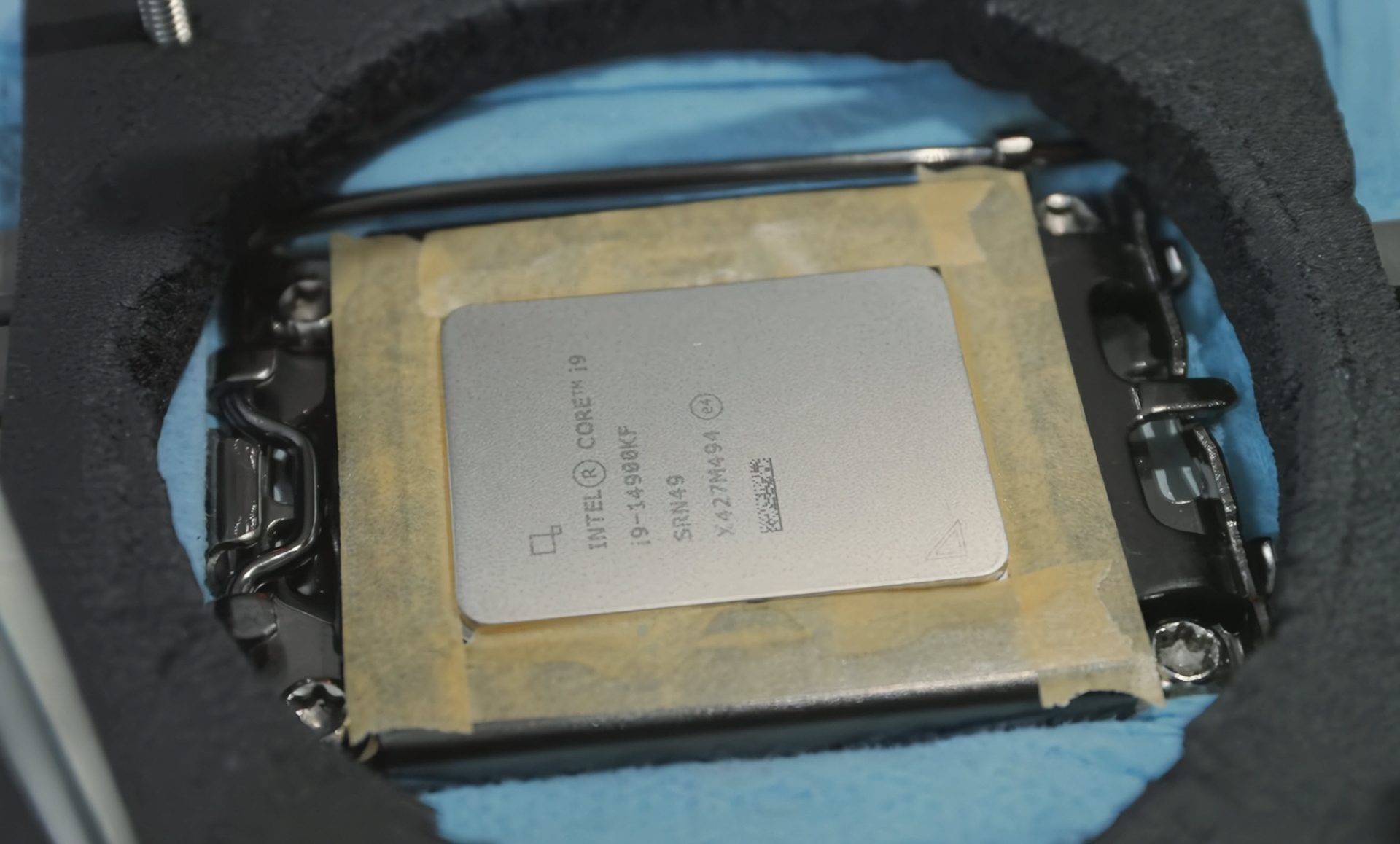
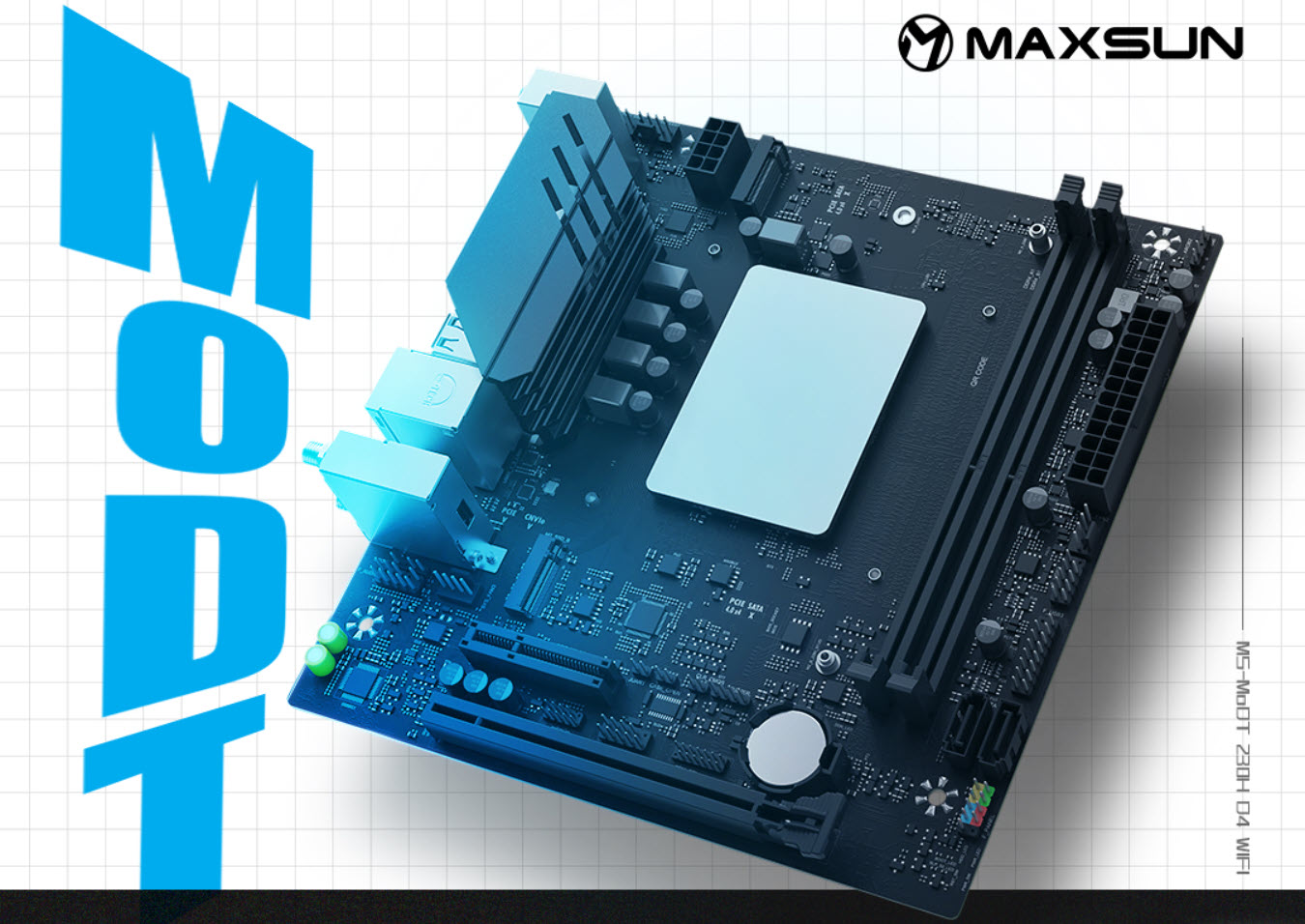
And then there’s the modding community. Because, of course, modders are already figuring out how to shoehorn these embedded chips into consumer boards via BIOS hacks. It’s a proof to human ingenuity and a stark reminder that the official channels are often less interesting than the unofficial ones. But is this a sustainable path to gaming dominance? Highly unlikely. It’s a niche for enthusiasts, not a mainstream solution.
Intel’s PR machine will undoubtedly spin this as proof of their ongoing innovation. But the reality is far messier. They’re showcasing performance from a chip that’s locked away, running at resolutions that belong in a museum, and performing best where the CPU is the only relevant component. It’s a trick, a demonstration, and frankly, a little bit sad.
What we’re seeing here isn’t the future of Intel gaming CPUs. It’s a relic from their past, propped up by an artificial testing environment. The real story isn’t that Bartlett Lake is fast, but rather that Intel is struggling to translate its architecture into meaningful, accessible gaming gains on the desktop.
🧬 Related Insights
- Read more: AI Powers TSMC’s N2 Leap: A Manufacturing Revolution
- Read more: Micron’s $24B Memory Haul: AI Boom Prices Up 60%, But Architects Panic
Frequently Asked Questions
What is Bartlett Lake?
Bartlett Lake is the codename for Intel’s Core 9 273PQE, an embedded CPU based on the Raptor Cove microarchitecture. It features a P-core-only design with 12 cores and 24 threads.
Is the Core 9 273PQE available for consumers?
Officially, no. It’s an embedded chip designed for specific industrial or mission-critical applications and is not compatible with standard desktop motherboards. However, enthusiasts have found ways to mod it into compatible systems.
Will this chip replace my current CPU?
No, it’s not designed for direct consumer purchase or installation in standard desktop PCs. Its performance advantage is also limited to specific scenarios, particularly at lower resolutions where the CPU is the primary bottleneck.