Finally, a concession.
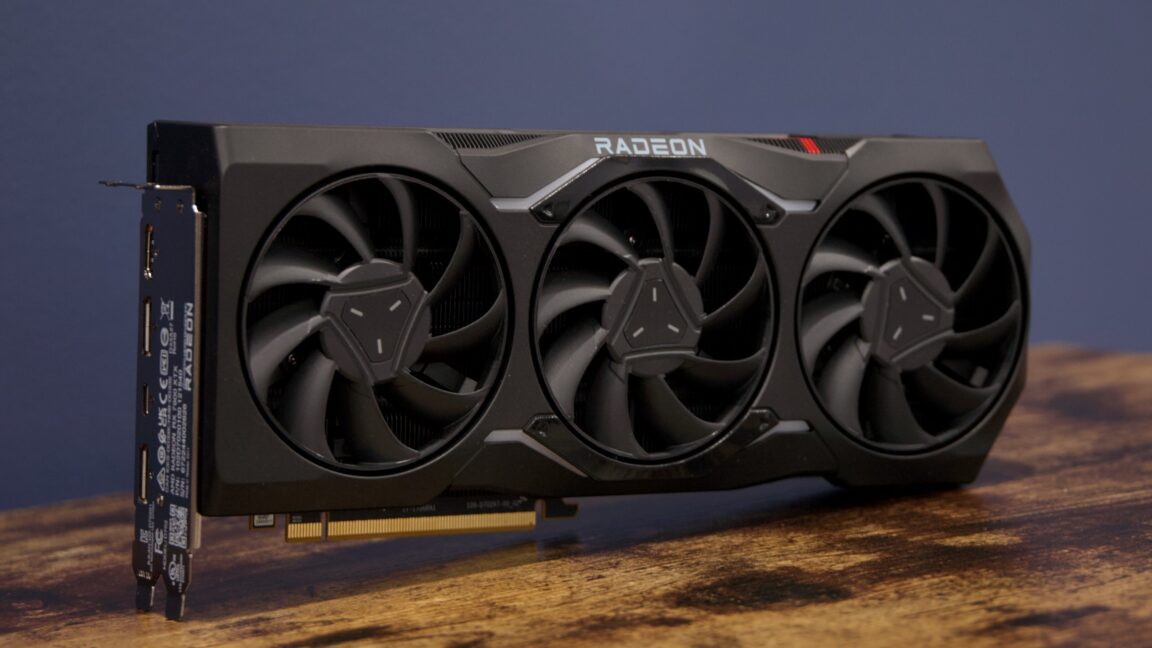
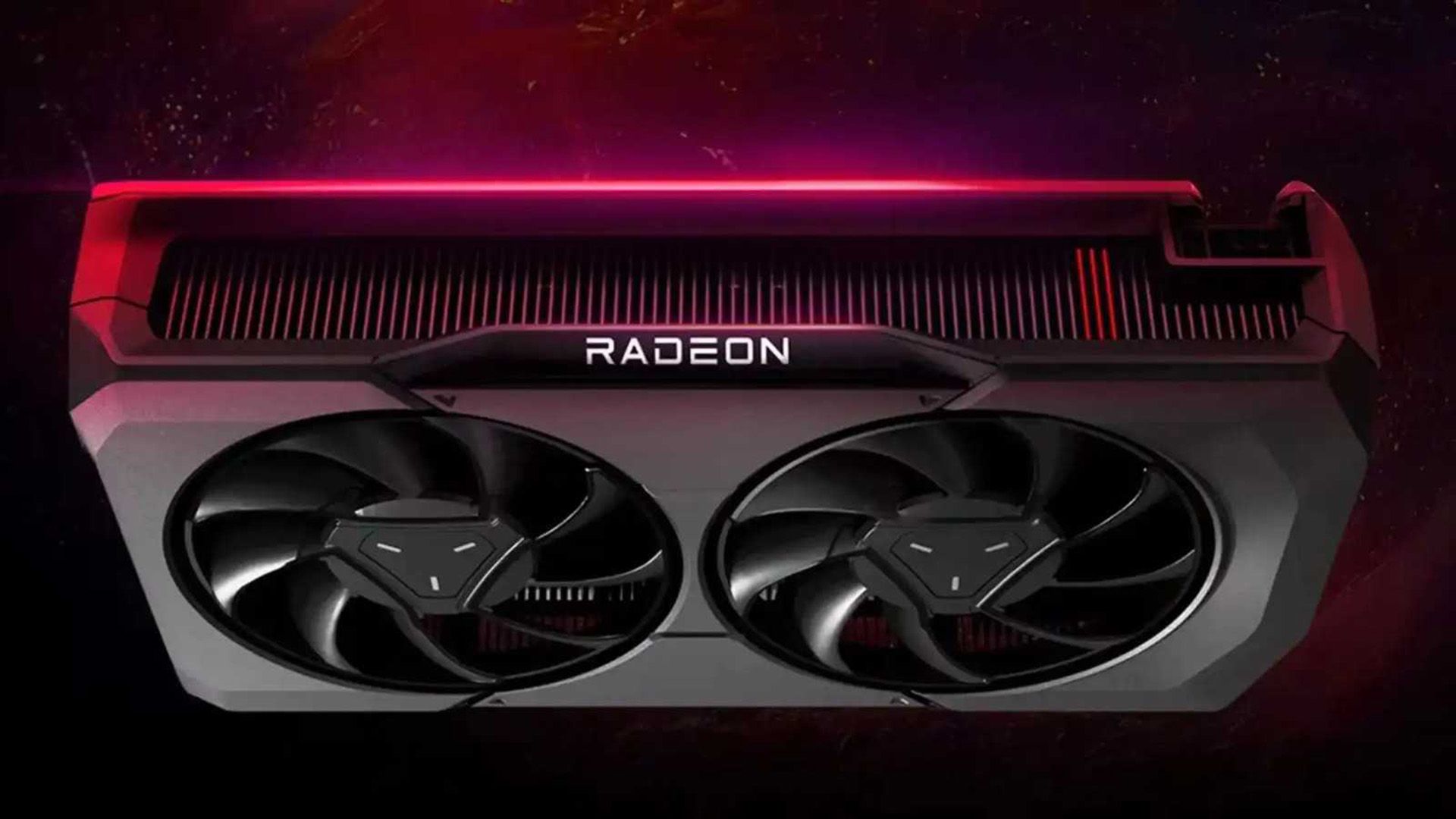
AMD’s long-awaited FidelityFX Super Resolution 4.1 (FSR 4.1) is set to roll out to older GPU architectures, specifically RDNA 3 and RDNA 2. This move, long demanded by a vocal segment of the gaming community, addresses criticism that AMD was lagging behind its competitor, NVIDIA, in extending its latest upscaling tech to prior-generation hardware. It’s a clear sign that AMD is listening, or at least, responding to the marketplace’s demands.
The Silence Broken
For months, a curious quiet surrounded AMD’s plans for FSR 4.0/4.1 on its RDNA 3 and RDNA 2 GPUs. While NVIDIA has a fairly consistent track record of bringing its DLSS advancements to older cards, AMD’s silence had left many owners of perfectly capable Radeon RX 7000 and RX 6000 series graphics cards feeling left behind. This apparent discrepancy became a frequent talking point, a low-level hum of discontent in online forums and tech discussions. Now, that silence has been definitively broken by Jack Huynh, a key figure at AMD, via an X post.
Huynh, speaking from the perspective of a lifelong gamer, stated his team has been actively working to bring FSR 4 to a broader range of GPUs. This sudden announcement clarifies that the company wasn’t sitting idle; rather, they were engaged in development for older hardware while the questions persisted.
I have been a gamer for my whole life and my team and I have been working to bring FSR 4 to more GPUs.
This quote, simple as it is, carries weight. It shifts the narrative from a potential oversight or neglect to a deliberate development cycle, albeit one that felt frustratingly opaque to the end-user.
A Phased Rollout
The timeline is now clear: FSR 4.1 will arrive on RDNA 3 GPUs, encompassing the Radeon RX 7000 series, in July. For those still rocking RDNA 2 hardware, the Radeon RX 6000 series, a subsequent release is planned. AMD has teased something “exciting” for RDNA 2 owners in early 2027, a date that seems a touch… distant. Still, two months for RDNA 3 users isn’t a bad wait, and it means those with the latest-gen AMD cards can soon enjoy the visual fidelity improvements that owners of the upcoming RDNA 4 architecture have already begun to experience.
keep in mind that the gaming community is often resourceful. Before this official announcement, many users had already found workarounds, leveraging tools like Optiscaler to integrate unofficial INT8 versions of FSR 4.0 and 4.1 into their games. These community-driven efforts yielded impressive results, showcasing the potential of the technology even without official support. This pre-existing demand and successful implementation via unofficial channels likely put additional pressure on AMD to formalize its support. The official launch means an end to such workarounds for many, simplifying the user experience and ensuring broader compatibility and stability. One can only hope this opens the door for AMD to continue its forward-thinking support for previous-gen hardware with future FSR iterations.
Why This Matters for GPU Architecture
The delay in bringing FSR 4.1 to older GPUs, while frustrating for consumers, hints at the architectural considerations at play with new AI-driven features. FSR 4.1, particularly its temporal upscaling and frame generation components, relies on sophisticated algorithms that are optimized for specific hardware capabilities. Newer architectures, like RDNA 3, often possess dedicated hardware units or more advanced shader capabilities that can accelerate these AI workloads more efficiently.
The fact that AMD is now extending this to RDNA 2 suggests either: 1) significant software optimization that allows the older, less specialized hardware to handle the computational load, or 2) a strategic decision to prioritize feature parity over peak theoretical performance on legacy silicon. It’s a balancing act: pleasing the existing customer base with new features versus the engineering effort required to make those features perform adequately on hardware designed before those specific AI acceleration features were even conceived. This also speaks volumes about the evolving landscape of GPU compute – AI inference is no longer just for AI accelerators; it’s becoming a core part of the gaming experience itself, baked into the graphics pipeline.
Is This a DLSS Killer?
AMD’s FSR has always positioned itself as an open, cross-platform alternative to NVIDIA’s DLSS. While FSR 4.1 brings impressive visual enhancements, particularly with its integrated frame generation, it’s unlikely to be a simple DLSS replacement. DLSS, especially with its AI-trained neural networks, often offers superior image quality and artifact reduction in many scenarios. However, FSR’s strength lies in its accessibility. By supporting a wider range of GPUs, including those from NVIDIA and Intel (though this specific announcement focuses on AMD), FSR fosters a more inclusive gaming ecosystem. It’s less about direct competition and more about providing viable alternatives that drive the market forward. The continued development and broader adoption of FSR 4.1 are crucial for AMD to maintain its competitive edge and offer compelling value propositions across its entire product stack.
🧬 Related Insights
- Read more: H100 Humiliates GB200 NVL72: Benchmarks Expose Power Hog and Flop Factory
- Read more: LLM Decoding Gets a Nudge: New Chip Design [3D NMP]
Frequently Asked Questions
What is FSR 4.1?
FSR 4.1 is AMD’s latest version of its FidelityFX Super Resolution technology, an open-source upscaling solution that uses advanced algorithms to render games at a lower resolution and then intelligently upscale them to a higher resolution. Version 4.1 includes enhancements like frame generation to boost frame rates further.
Will FSR 4.1 improve my game’s performance?
Yes, the primary goal of FSR 4.1 is to improve game performance by increasing frame rates, allowing for higher resolutions or graphical settings without a significant hit to your system’s power.
When will FSR 4.1 be available for my graphics card?
FSR 4.1 will be available for AMD Radeon RX 7000 series (RDNA 3) GPUs in July. Support for Radeon RX 6000 series (RDNA 2) GPUs is planned for a later release, with an unspecified “exciting” update hinted for early 2027.