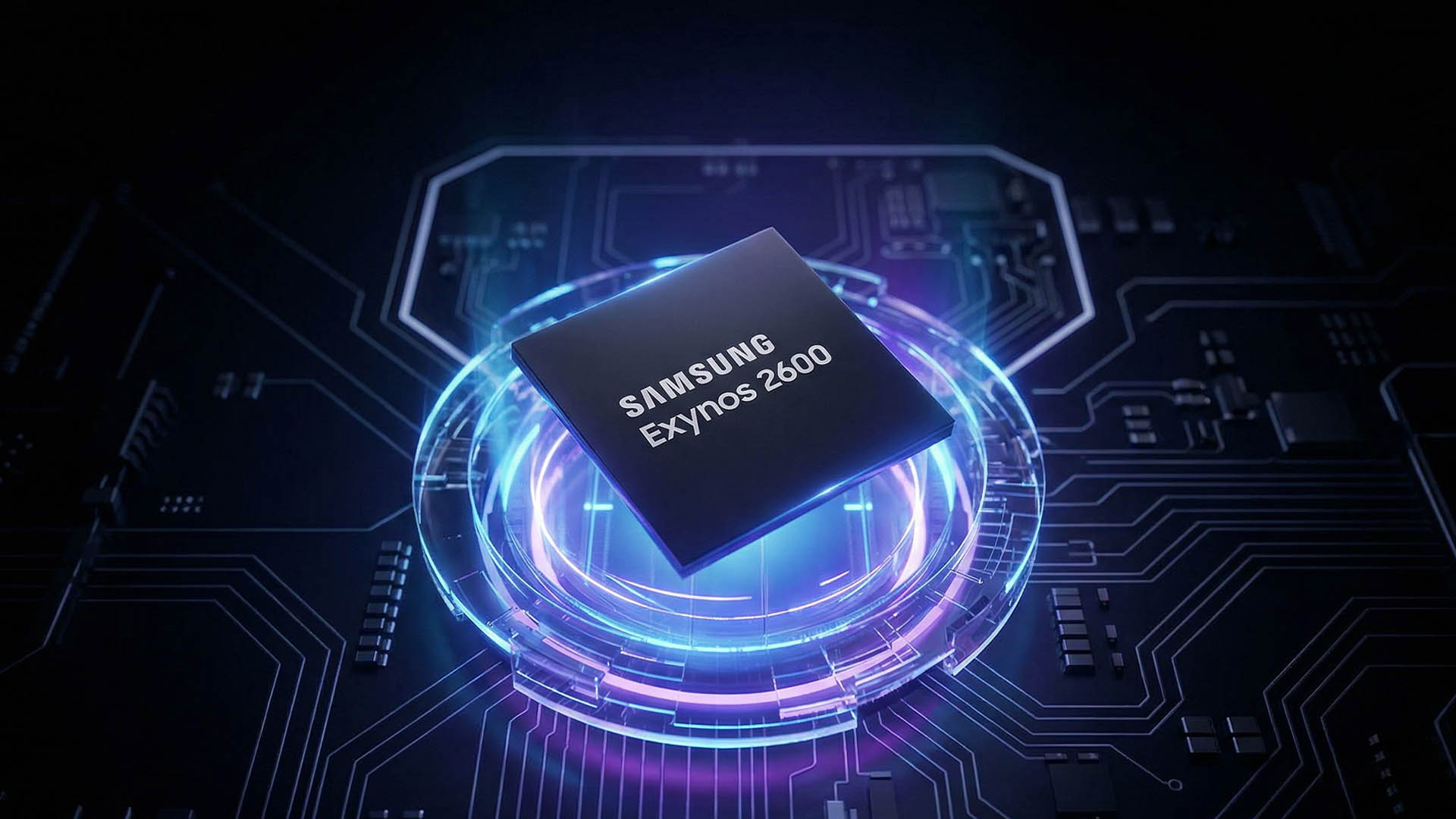
So, Samsung’s cooked up its own version of DLSS. They call it ENSS (Exynos Neural Super Sampling). It’s for their shiny new Exynos 2600 chip. And get this: it supposedly zaps out 15 percent more performance in benchmarks. Impressive. On paper.
Because here’s the thing. Performance gains are great. Absolutely. But what good is a super-powered engine if there are no roads to drive it on? Samsung’s ENSS, along with its buddy NFG (Neural Frame Generation) – their stab at NVIDIA’s Frame Generation – are impressive feats of engineering. They generate frames, they upscale resolution, they even claim to cut down GPU load and boost efficiency. All very neat, very 2nm GAA stuff. The Exynos 2600, with ENSS cranked, apparently smokes the competition in 3DMark Steel Nomad Lite. Ray tracing? Top of the Basemark Power Board. They’ve clearly thrown a mountain of cash and engineers at this silicon.
Does Anybody Actually Use This Stuff?
This is where the whole thing collapses. Samsung, in its infinite corporate wisdom, seems to have prioritized the tech demonstration over… well, any actual use case. Remember games? Those things people play on phones? Yeah, Samsung appears to have forgotten them. The company’s efforts are laser-focused on the technological wizardry, not on convincing actual game developers to, you know, support the darn thing. Native ports for games that can actually use ENSS and NFG are about as common as a polite tech CEO.
Look, Snapdragon chips can already emulate titles at playable framerates. Resident Evil Requiem? No sweat. Samsung’s latest marvel, on the other hand, is apparently begging for software to show its mettle. It’s a classic case of building a Ferrari without a single racetrack in sight. We haven’t seen a major mobile game get proper integration for Samsung’s upscaling tech since… well, probably never. The last big iOS splash was Tomb Raider, a game that originally hit PCs in 2013. Meanwhile, Capcom and Remedy are porting their latest to iPhones. Where’s the love for Android, Samsung?
The problem is that we cannot remember the last time when game developers brought in a handful of titles to deliver better framerates and image quality with Samsung’s upscaling and interpolation technology.
This isn’t just about Samsung, mind you. It’s a broader mobile gaming issue. Developers are prioritizing the iPhone ecosystem. And why wouldn’t they? It’s where the money is, where the polish is, where the actual audience that cares about these advanced graphical features seems to be. Without that long-term developer commitment, Samsung’s bleeding-edge chip architecture and its AI bells and whistles are just so much digital confetti.
So, while the Exynos 2600 might look good on a spec sheet, and ENSS might offer a theoretical 15% performance lift, it’s all rather pointless. Samsung needs to stop patting itself on the back for its engineering prowess and start wooing developers. Otherwise, their fancy tech will continue to gather digital dust.
What Happens If No Developers Support ENSS?
If developers don’t adopt ENSS and NFG, Samsung’s advancements will remain largely theoretical. The Exynos 2600 will still be a powerful chip, but its headline features won’t translate into tangible benefits for users in their games. It’s like having a state-of-the-art graphics card with no games that can utilize its full potential – a lot of wasted power and potential. The chip might perform well in synthetic benchmarks or tasks that do have support, but the gaming experience, which is often a major selling point for mobile SoCs, will likely be no better than previous generations.
Samsung’s challenge isn’t just building the technology; it’s building the ecosystem around it. That means incentives, developer tools, and a clear roadmap that convinces game studios that investing in their platform is worthwhile. Without that, ENSS and NFG are just expensive footnotes in the spec sheet.
🧬 Related Insights
- Read more: SiFive’s $400M RISC-V Gamble: CPUs for AI Agents or Just More Hype?
- Read more: ASUS Zenbook A16’s Snapdragon Cooling Masterclass: Apple’s M5 Wake-Up Call
Frequently Asked Questions
What does Samsung’s ENSS technology do? Samsung’s ENSS (Exynos Neural Super Sampling) is an AI-powered upscaling technology designed to boost gaming performance on its Exynos chips by rendering games at a lower resolution and then intelligently reconstructing them to a higher resolution, similar to NVIDIA’s DLSS.
Will Exynos 2600 ENSS work with all games? No, ENSS will only work with games that have specifically implemented support for it. Like DLSS, it requires developer integration.
Why is app support important for chip features? App support is crucial because hardware features, especially advanced ones like AI upscaling or frame generation, often require software integration to function. Without developers building these features into their applications, the hardware’s potential remains untapped, rendering the feature largely useless for end-users.