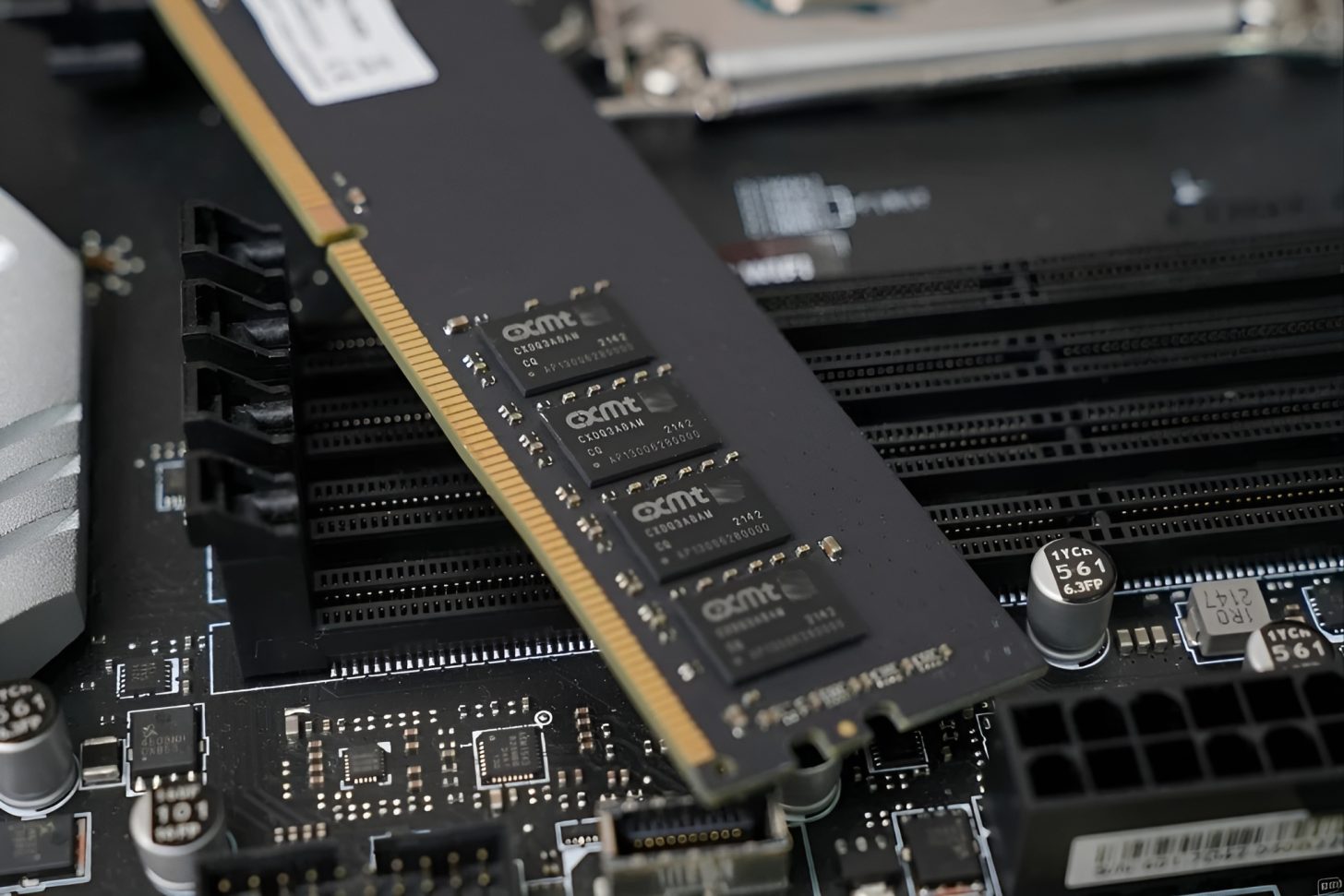
Another quarter, another dose of memory market pain. This time, it’s Adata doing the shouting. They’re calling for a frankly obscene 40-plus percent hike in both DRAM and NAND flash contract prices in the second quarter of 2026. Think about that. That’s not a nudge; that’s a shove off a cliff for your next PC build or server upgrade.
And why? Because the big cloud players — the Amazons, the Googles, the Microsofts of the world — have apparently decided to act like squirrels preparing for a nuclear winter. They’ve already snapped up 2027 output from memory manufacturers. Yes, 2027. So, while you’re worrying about next month’s rent, they’re ensuring their server farms are stocked for the year after next. It’s a classic move: corner the market before anyone else even realizes there’s a shortage brewing. They’re not just buying; they’re buying futures, effectively putting a chokehold on supply for everyone else.
The Great Cloud Lockout
This isn’t just Adata’s little prediction; it’s a signal flare. When a major memory module maker like Adata makes such a bold forecast, backed by insights into contract negotiations, you pay attention. They’re seeing the whites of the eyes of their upstream suppliers, and what they’re seeing is a galaxy of empty shelves for the rest of us. This isn’t an organic demand surge; it’s a calculated move by entities with frankly absurd amounts of capital to secure critical resources. They’ve preempted the market, leaving the rest of us to scramble for whatever scraps remain. It’s a power play, plain and simple.
Remember the days when you could snag a terabyte SSD for a song? Those days are rapidly fading in the rearview mirror. For consumers, this means sticker shock. For businesses, it means rethinking upgrade cycles and budgets. For startups trying to compete, it’s another massive barrier to entry. The economics of computing are about to get a lot more… expensive.
“Cloud server giants have already locked up 2027 output from upstream memory suppliers.”
This quote, from Adata’s own statement, is the crux of the issue. It’s not about innovation suddenly drying up or a sudden explosion in demand for AI training models (though that certainly doesn’t help). It’s about strategic hoarding. It’s about ensuring that the titans of the digital age have all the silicon they need, regardless of the collateral damage to everyone else. This is the future of supply chain management: not efficiency, but absolute control.
Is This a Repeat of Past Booms?
We’ve seen memory price cycles before, of course. The DRAM and NAND markets are notoriously volatile. But this feels different. This isn’t just a cyclical shortage driven by production hiccups or a temporary spike in demand. This is a structural shift. The sheer scale of the cloud infrastructure build-out, coupled with these preemptive supply grabs, is creating a new kind of scarcity. It’s less a boom-and-bust cycle and more a slow, painful squeeze for the non-cloud entities.
So, when you see that next price increase on your favorite RAM kit or that new M.2 drive, don’t just curse the market. Understand that behind the scenes, massive corporations are playing a very long game, and you’re just a pawn on their board. It’s a stark reminder that in the digital economy, access to raw materials is rapidly becoming the ultimate form of power.
What does Adata actually do?
Adata Technology is a Taiwanese manufacturer of memory and storage products, including DRAM modules (RAM), solid-state drives (SSDs), USB flash drives, and memory cards. They are a significant player in the consumer and industrial memory markets.
Will this price hike affect my gaming PC?
Yes, it’s highly likely. Gaming PCs rely heavily on DRAM and fast SSD storage. With contract prices for these components set to jump significantly, expect higher retail prices for RAM kits and SSDs in the coming quarters. The 40%+ increase forecast is substantial and will filter down to consumer products.
How can I mitigate the impact of rising memory prices?
For consumers, the best strategy is to buy components when prices are relatively stable, if possible. For businesses and builders with upcoming projects, consider purchasing RAM and SSDs sooner rather than later, before the full impact of the 2Q26 price hikes is felt. Investigating alternative storage solutions or considering slightly lower capacities might also be necessary.