Just when you thought your wallet was safe, the whispers start. And this time, they’re loud enough to make even the most devoted Apple fan sweat. We’re talking about the iPhone 20, or whatever they decide to slap on the next iteration of that shiny rectangle, and the specter of a price tag that might make even the $1,000 iPhone X look like pocket change.
This isn’t some far-fetched doomsday prediction from a random forum poster. This is Apple, the company that’s perfected the art of charging a premium, staring down a perfect storm of supply chain woes and exclusive deals that could force their hand. The report out of Korea, dug up by the folks at Wccftech, points to a perfect trifecta of expense: a fancy new display, a sole supplier for that display, and a critical shortage of something you actually need to make the darn thing work.
The Quad-Curved Quandary: Pretty, But Pricey
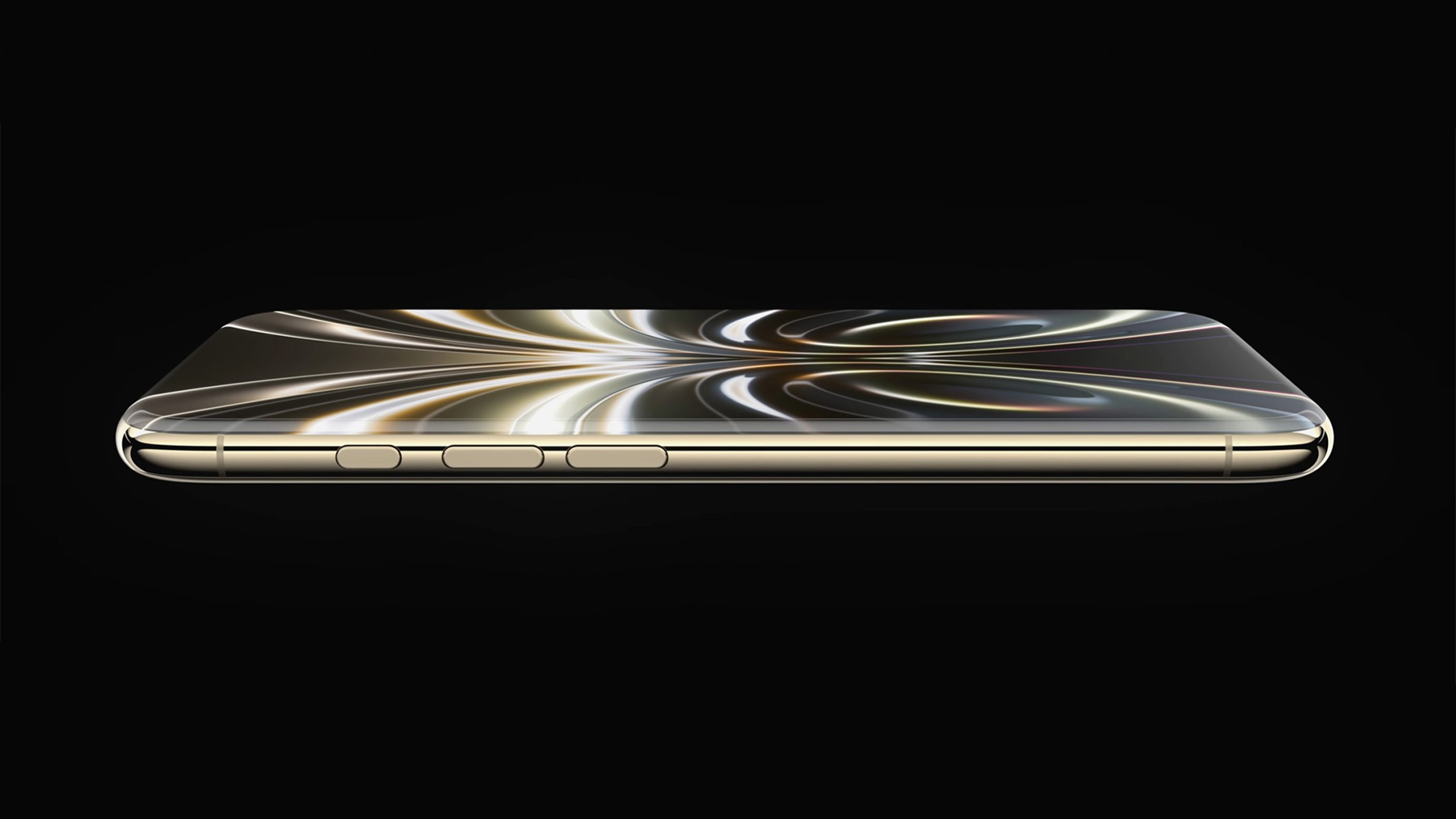
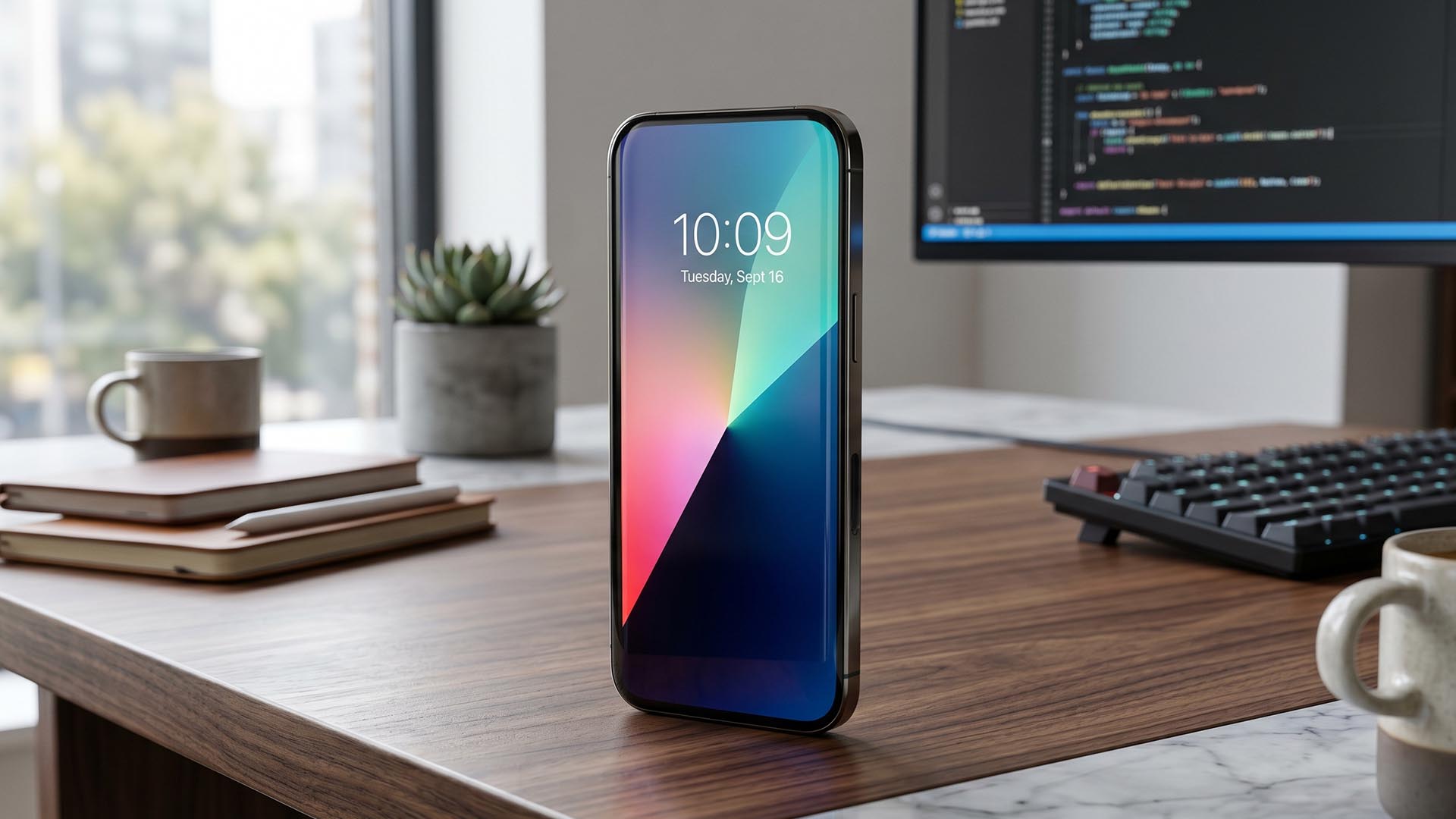
So, what’s driving this potential sticker shock? It’s that new display. Apple’s apparently cooking up a quad-curved marvel that, when paired with their Liquid Glass UI, promises a bezel-less illusion. Sounds slick, right? And precisely the kind of marketing fodder Tim Cook loves to trot out. But here’s the kicker: nobody else seems capable of making this specific piece of glass tech work. We’re talking about a single manufacturer stepping up to the plate. And when there’s only one chef in the kitchen, especially for something this specialized, you know the tab is going to climb.
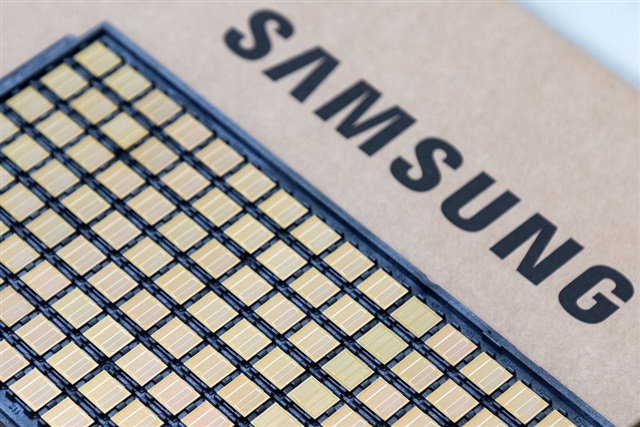
Only Samsung has been mentioned to secure an exclusive OLED for the iPhone 20, and to put things into perspective, it charged $120 for the iPhone X display almost a decade ago
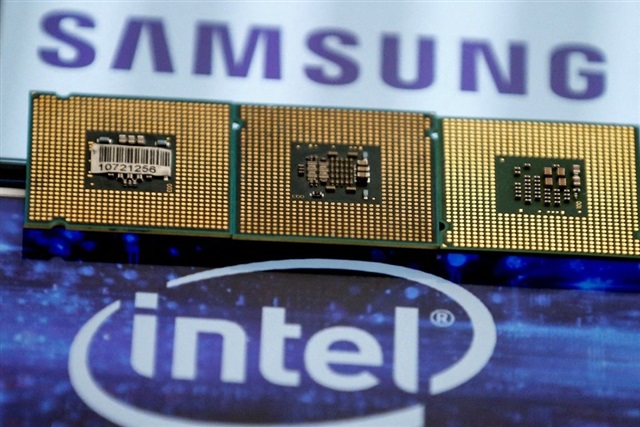
Yes, Samsung. Again. History, as they say, tends to repeat itself, especially when one company holds a virtual monopoly on a key component. Remember the iPhone X? That $1,000 phone that set a new standard for premium pricing? A big chunk of that was Samsung’s OLED panel, reportedly costing Apple between $110 and $120 back then. Now, imagine that on a more complex, quad-curved display. The bill for each screen alone is likely to be astronomical.
The DRAM Dragon Hoarding the Goods
But wait, there’s more. As if the display wasn’t enough of a headache, Tim Cook himself has apparently been heard muttering about a dwindling DRAM stockpile. DRAM, or Dynamic Random-Access Memory, is the stuff that makes your phone fast. Without enough of it, even the prettiest screen is going to feel sluggish. And according to the reports, those 8GB LPDDR5X RAM modules are now fetching a cool $180 each. Let that sink in. That’s a staggering 45% of the entire Bill of Materials for the phone, all tied up in memory chips.
This isn’t just a minor hiccup. This is a full-blown supply crunch that’s going to hit the bottom line hard. Apple’s going to have to fight tooth and nail to keep prices from spiraling out of control. But let’s be honest, they’ve got a track record. They’ll likely spin this as the price of innovation, a necessary cost for pushing the boundaries of what a smartphone can be. The ‘Apple effect’ is a powerful thing, and a dazzling new design will probably blind enough consumers to justify the premium. But for the rest of us? Well, we might be looking at a phone that’s officially out of reach.
Why Does This Matter for Developers?
For developers, this isn’t just about consumer prices. It’s about market accessibility. If the iPhone 20 becomes a device only for the ultra-wealthy, it shrinks the addressable market for new apps and services. Fewer users mean fewer potential customers, impacting monetization strategies. Furthermore, the push for these advanced, exclusive components often means longer lead times for hardware, potentially delaying developer access to new devices for testing and optimization. It’s a cycle that could stifle innovation if the user base can’t keep up with the hardware costs.
Will the iPhone 20 Be My Most Expensive Phone Yet?
Based on the exclusive OLED deal with Samsung and the significant cost of DRAM modules, it’s highly probable that the iPhone 20 will be Apple’s most expensive smartphone release to date. Suppliers are charging a premium for advanced components, and a DRAM shortage adds considerably to the manufacturing cost.
What is the Liquid Glass UI?
The Liquid Glass UI is Apple’s proprietary interface designed to complement the new quad-curved display on the iPhone 20. It aims to create a smoothly visual experience, enhancing the illusion of a bezel-less form factor by blending the display edges into the device’s frame.