This isn’t just about the next iPhone’s battery lasting a little longer. It’s about what happens when a company, having mastered the art of miniaturization, turns its laser focus to the efficiency of every single transistor. For the real people out there, the ones who toss their phone in a bag at 7 AM and don’t see a charger until well after dinner, this means a tangible, everyday difference. It means less battery anxiety and more freedom to actually use that pocket supercomputer for, you know, computing.
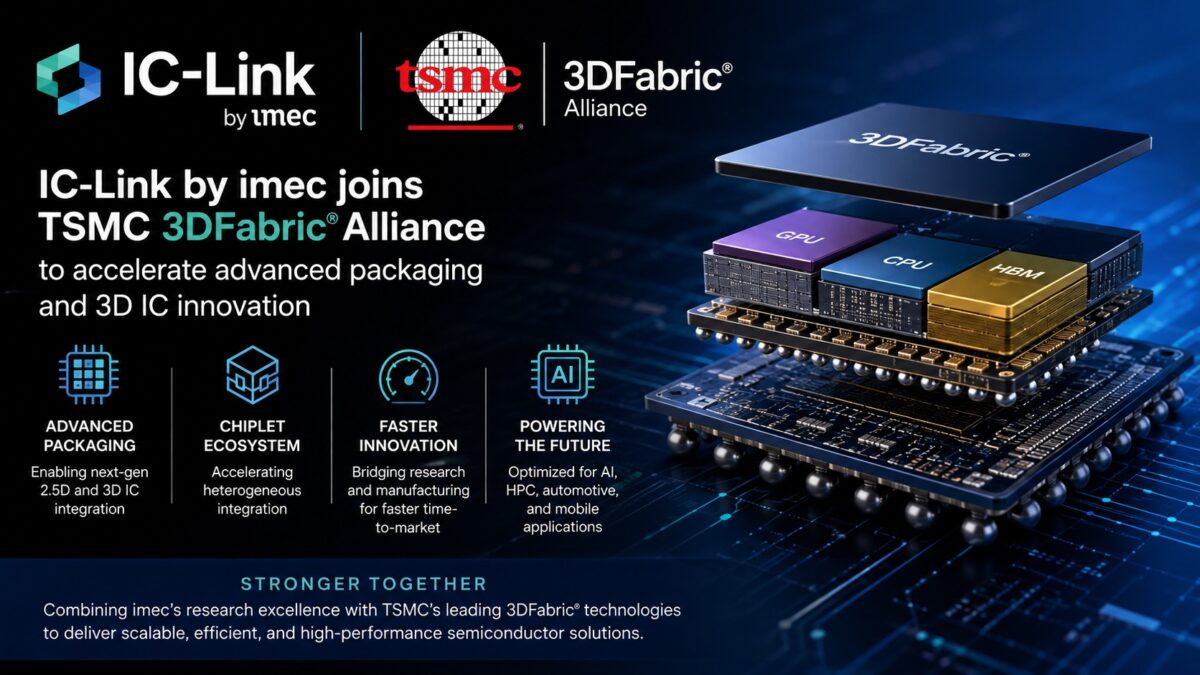
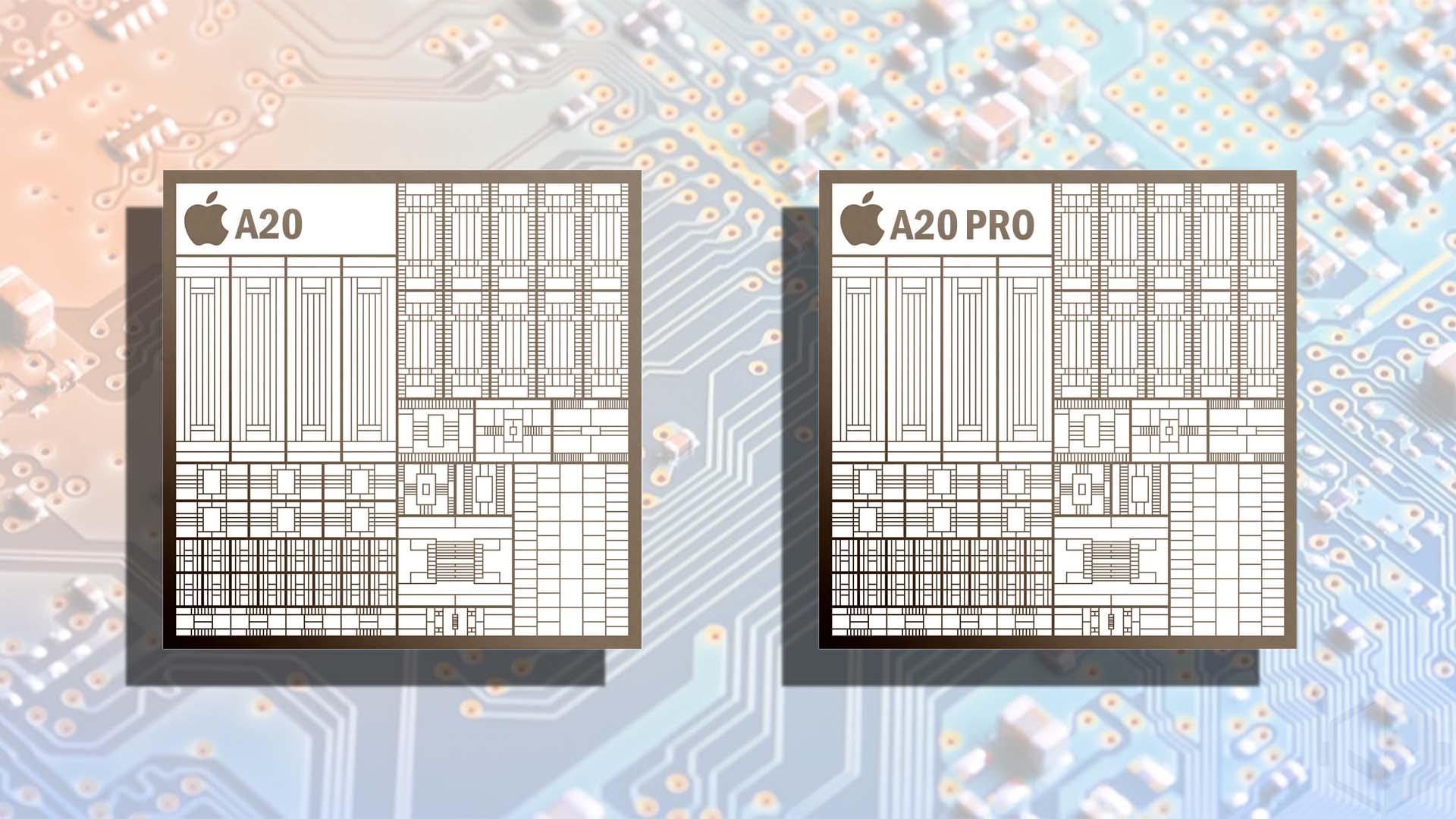
We’re talking about Apple’s upcoming A20 and A20 Pro chips, set to debut in the iPhone 18 Pro lineup. Sure, they’re getting a shiny new coat of paint from TSMC’s vaunted 2nm manufacturing process. That’s a big deal in itself, a leap from the current 3nm ‘N3P’ node to the ‘N2’ process. But here’s the kicker, the bit that separates the true innovators from the mere adopters: Apple’s own custom chip design.
Why Custom Cores Trump Raw Process Shrinks (Sometimes)
It’s easy to get starry-eyed about nanometers. Smaller nodes mean more transistors, more power, and supposedly, more efficiency. And yes, TSMC’s N2 process will undoubtedly offer a respectable boost. But Apple’s rivals, like Qualcomm and MediaTek, are also eyeing that 2nm prize, specifically TSMC’s ‘N2P’ variant. They’ll likely chase headline-grabbing clock speeds—rumors of Qualcomm’s Snapdragon 8 Elite Gen 6 Pro hitting 5.00GHz are out there—and pack in more cores. That’s the traditional approach. More oomph, more cores, more GHz. The problem? More power draw. It’s a brute-force method that often leads to a device that feels hot to the touch and leaves you hunting for an outlet by lunchtime.
Apple, on the other hand, has been quietly perfecting a different strategy. They’ve been engineering their own custom cores for years, a deliberate, architectural approach that prioritizes performance per watt. Think of it like this: instead of just building a bigger engine, Apple’s been meticulously designing a more aerodynamic car with a hyper-efficient gearbox. They can achieve comparable (or even superior) performance at reduced frequencies, meaning less energy is being burned.
This isn’t new for Apple. We saw it with the A19 Pro, where their efficiency cores punched well above their weight class. They managed to squeeze more performance out of their chips without demanding more juice. The A20 and A20 Pro are poised to take this philosophy to a whole new level.
The Architectural Secret Sauce: Efficiency Cores Unleashed
The real story here isn’t just the 2nm shrink; it’s how Apple is likely architecting the A20 and A20 Pro to exploit that shrink. The A19 Pro, for instance, demonstrated a remarkable feat: delivering up to a 29% performance uplift without a corresponding increase in power consumption. This wasn’t magic; it was smart design. They achieved this by refining their custom-designed efficiency cores, making them more potent while keeping the overall power budget in check. Imagine getting more done with less effort – that’s the essence of their silicon strategy.
This focus on bespoke core design means that even if Qualcomm and MediaTek brag about hitting 5GHz on their chips, Apple’s A20 Pro might offer a smoother, more sustainable experience that lasts longer on a single charge. It’s the difference between a sprinter who burns out quickly and a marathon runner who maintains a consistent pace for the entire race. For a device that’s meant to be used throughout the day, consistency and endurance are king.
Furthermore, the article hints at the possibility of the A20 and A20 Pro also sporting a smaller die size. This has implications beyond just manufacturing costs. A smaller die can mean less power leakage and improved thermal performance, both of which contribute to better battery life and sustained performance. When you couple this with the rumored 5,100mAh to 5,200mAh battery capacity for the eSIM version of the iPhone 18 Pro Max, the cumulative effect on battery life could be genuinely record-breaking.
Apple’s expertise in chip design will ensure that the iPhone 18 Pro and iPhone 18 Pro Max deliver record battery life.
Of course, until we get our hands on these chips and see independent benchmarks, it’s all educated speculation based on Apple’s past performance. But their track record in silicon design, particularly their dedication to performance-per-watt, suggests that the A20 series isn’t just another iterative update. It’s another step in their long-term vision of building incredibly powerful yet remarkably efficient mobile devices. This is the kind of innovation that truly matters to the end-user.
What Does This Mean for the Average User?
The immediate impact for most people will be simpler: their iPhone will simply last longer. It means fewer frantic searches for charging ports in public places, more uninterrupted use for work and play, and a generally less stressful mobile experience. It’s the kind of improvement that, while not flashy, profoundly enhances the daily utility of a device we rely on so heavily.
Is This Just PR Hype?
While every company touts improvements, Apple’s consistent delivery on performance-per-watt over multiple generations lends significant credibility to their claims. Their architectural approach, detailed in their technical keynotes and evident in benchmark comparisons, goes beyond simple manufacturing node shrinks. This is a deep dive into custom silicon engineering, a sustained effort that has paid dividends in battery life and sustained performance for years.
Will This Make My Current Phone Obsolete?
Not at all. While the A20 series promises advancements, the A19 Pro and even older chips are still incredibly capable for everyday tasks. The benefits of the A20 will be most pronounced in demanding applications, intense gaming, and sustained heavy usage scenarios where battery life is most critical. For the average user, the jump might feel like incremental improvement rather than a reason to ditch a perfectly good device.
🧬 Related Insights
- Read more: Beyond Bits: Chip Week Unpacks Precision, AI, and Space Race Tech
- Read more: CXMT IPO: China’s DRAM Ambitions Take Center Stage
Frequently Asked Questions
What is TSMC’s 2nm process? TSMC’s 2nm process is a next-generation semiconductor manufacturing technology that allows for the creation of smaller, more power-efficient transistors, leading to improved chip performance and battery life in devices like Apple’s upcoming A20 chips.
How does Apple’s custom chip design impact battery life? Apple’s custom chip design focuses on optimizing every aspect of the processor, including the efficiency cores, to deliver high performance without a proportionate increase in power consumption. This architectural approach, combined with advanced manufacturing processes like 2nm, allows for record-breaking battery life.
Will the iPhone 18 Pro have significantly better battery life? Based on the expected advancements in TSMC’s 2nm process and Apple’s continued focus on custom chip architecture and efficiency cores, the iPhone 18 Pro lineup is anticipated to achieve record battery life compared to previous generations.