Forget dusty balance sheets for a second. What does CXMT’s planned Shanghai listing actually mean for you? It means the global map of where our essential computer brains are made is about to get a whole lot more crowded, and potentially, a whole lot more interesting.
This isn’t just about CXMT raising cash. This is about China making a colossal statement: we’re not just consumers of advanced tech anymore; we’re building it. And we’re doing it in the most strategically vital sector – memory chips. Think of it like a country deciding it’s no longer going to rely on imports for its engine parts and deciding, instead, to build its own automotive industry from the ground up, starting with the most complex components.
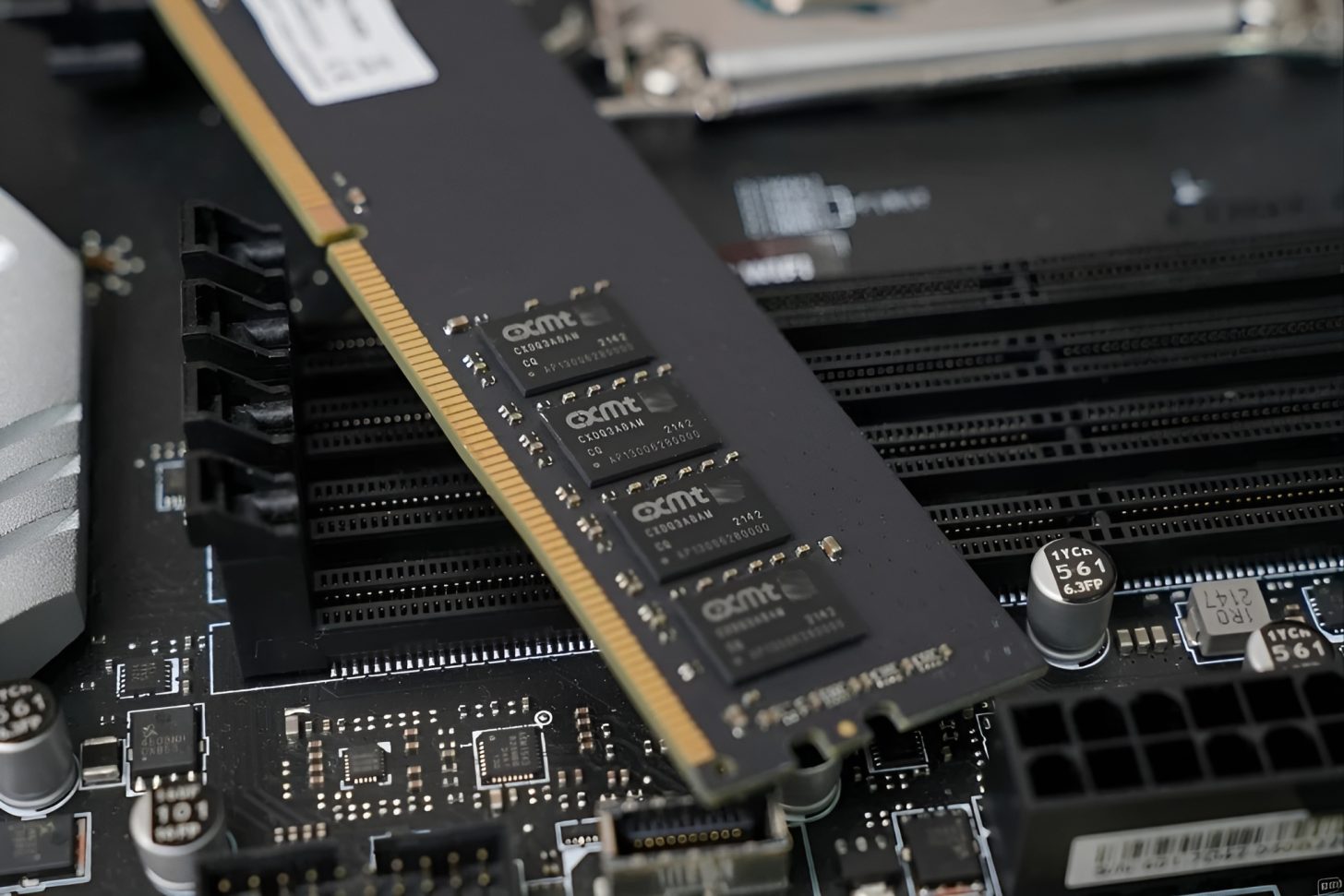
CXMT’s IPO is a signal flare, illuminating the nation’s determined march toward semiconductor localization. Their next phase of expansion isn’t just about making more DRAM chips (Dynamic Random-Access Memory, the stuff that keeps your apps running smoothly and your computer from crawling to a halt). It’s about turbo-charging the entire ecosystem that supports chip manufacturing – the equipment, the materials, the know-how. They’re trying to go from being a customer of the global chip-making machine to being a builder of its critical gears.
Is This Just Another IPO, or Something Bigger?
This IPO is a litmus test, plain and simple. It’s testing how investors, both domestic and international, feel about putting their money into a company at the absolute heart of a geopolitical struggle. Can CXMT convince the market that its growth trajectory is solid, independent of the thorny international politics that often cloud Chinese tech ventures? The sheer scale of China’s ambition here is what’s truly staggering. They’re not tiptoeing; they’re aiming to leapfrog.
We’re talking about a fundamental platform shift. For decades, the semiconductor world has been dominated by a few key players, a concentrated constellation of manufacturing might. Now, you’re seeing a determined effort to decentralize that power, to build new stars in the sky. And memory chips, like DRAM, are foundational. Without ample, affordable memory, the most cutting-edge AI, the most immersive gaming, the most data-intensive scientific research – it all sputters.
Why Does This Matter for the Global Chip Landscape?
Look, the established giants in the memory space – think SK Hynix, Samsung, Micron – have had a comfortable reign. They’ve mastered the incredibly complex dance of lithography, wafer fabrication, and yield optimization. CXMT’s success, if it materializes as planned, could introduce a significant new competitor, potentially altering the supply-demand dynamics that have kept memory prices relatively stable (or sometimes, sky-high).
And it’s not just about competition. It’s about supply chain resilience. Recent global events have hammered home how fragile our interconnected tech world can be. If a significant portion of our memory chips suddenly becomes unavailable due to geopolitical friction or unforeseen disruptions, the ripple effects would be catastrophic. China building out its domestic DRAM capacity is, in part, a hedge against such future scenarios. It’s a national security play as much as an economic one.
The planned listing is more than just a test of investor appetite for China’s top DRAM maker. It is also putting a spotlight on whether the company’s next phase of expansion can accelerate China’s push to localize semiconductor equipment and materials.
This isn’t some minor league player; CXMT is the DRAM heavyweight in China. Their ability to scale and innovate will directly dictate how quickly China can reduce its reliance on foreign chip technology. The company’s success is intrinsically linked to the nation’s broader strategic goals. This is where the rubber meets the road for China’s chip dreams.
There’s a natural skepticism, of course. Corporate PR often paints a rosy picture. We’ve seen China invest heavily in semiconductors before, with mixed results. But the current geopolitical climate, coupled with the sheer, unblinking focus on self-reliance, feels different this time. This isn’t a hobby project; it’s a national imperative. The question is whether the underlying technology and manufacturing prowess can keep pace with the political will and financial backing. It’s a high-stakes poker game, and the ante has never been higher.
The world watches, holding its breath, to see if CXMT can truly deliver on its promise. Because if it does, the entire global semiconductor landscape — from the chips in your phone to the servers powering the cloud — will feel the seismic shift.