Ever wonder why Siri still can’t book your dinner reservation without screwing it up, even after years of ‘AI’ promises?
Apple’s betting big on its M5 Pro and M5 Max architecture to fix that. Not just for your next MacBook — these beasts, plus a server chip named Baltra, are getting a massive boost from TSMC’s SoIC packaging. Morgan Stanley’s latest note spills the beans: Apple’s reserving wafer slots like it’s prepping for war.
“Apple is materially ramping SoIC capacity at TSMC, pointing to a major push in Apple silicon for AI servers. TSMC… is expanding its SoIC… with Apple placing orders equivalent to 36K wafers in CY26 and 60K wafers in CY27.”
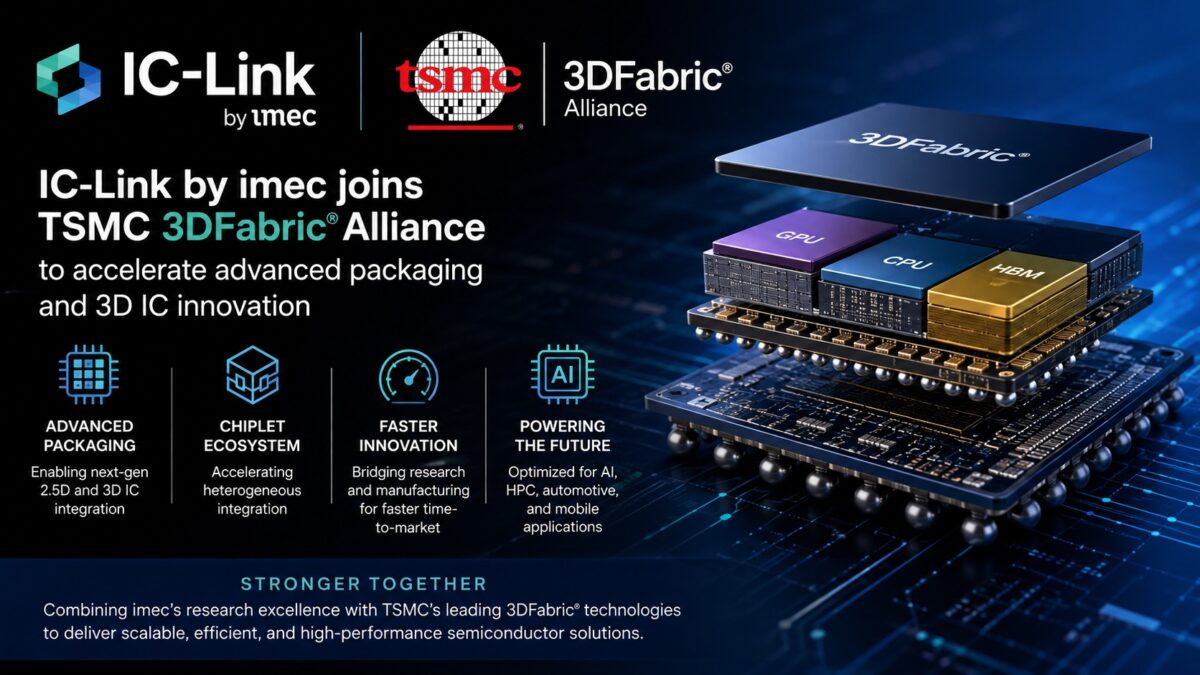
That’s 36,000 wafers in 2026, ballooning to 60,000 in 2027. For context — if you’re not a chip nerd — SoIC is TSMC’s 3D stacking magic. It crams CPU, GPU, Neural Engine dies into one tight package, like Lego bricks on steroids. More configs mean tailored chips: beefy GPUs for creators, monster Neural Engines for AI crunching.
But here’s the cynical vet take. I’ve seen this movie before. Remember 2010, when Apple ditched Intel for its own silicon? PowerPC flashbacks from the 90s nearly killed them — too slow, too hot. Now, 20 years later, they’re scaling up for servers. Baltra’s the star: a custom ASIC on 3nm, chiplets for specific AI tasks, Broadcom gluing the networking. Apple even snagged T-glass from Samsung to cut Broadcom out later. Smart? Sure. Revolutionary? Eh.
Why’s Apple Stockpiling SoIC Wafers Like Doomsday Preppers?
Look, TSMC’s SoIC isn’t cheap or easy. It’s vertical stacking — dies piled high, connected intimately. Beats old-school packaging for bandwidth, power sip. Apple’s grabbing capacity because M5 Pro/Max hit Macs soon, M6 next year. But the real juice? Baltra for Apple Intelligence servers.
Servers. That’s where the AI money lives — or doesn’t, depending who you ask. Hyperscalers like Google, Amazon burn billions on Nvidia GPUs. Apple’s been tinkering with its own since last year, testing in data centers. Baltra promises chiplet magic: mix-and-match dies, hidden designs from partners. Secrecy — Apple’s love language.
Yet. Nvidia’s got CUDA moat, software ecosystem taller than Everest. Apple’s playing catch-up with Metal, but devs flock to CUDA. This wafer hoard screams ambition. 60K wafers? That’s hyperscale volume. But who’s buying? Apple Parks? Or flogging to OpenAI rivals?
Short para. Doubt it.
And the M5 lineup? Pro and Max get SoIC flex — stack more GPU cores if you’re rendering 8K fever dreams, or Neural Engines for local LLMs. Consumer wins first. Servers later, 2027. Tim Cook’s timeline — always fashionably late.
Will Baltra Servers Make Siri Less of a Disappointment?
Siri. Poor thing. Launched 2011, still dumber than a bag of hammers on complex queries. Apple Intelligence patched some holes — on-device magic — but cloud needs servers. Baltra’s the fix: faster inference, lower latency. Imagine Siri nailing your “find vegan tacos near me, under $15, with outdoor seats” without hallucinating.
My unique spin? This echoes IBM’s Power chips in the 2000s. Big Blue bet server silicon, got crushed by x86 commoditization. Apple avoids that — closed ecosystem. Bold prediction: Baltra powers internal AI farms first, leaks to partners by 2028. Siri improves 2x speed, but personality? Still robotic. Real win: Private Cloud Compute, proving Apple’s not slurping your data.
PR spin alert. Apple’s coy — no announcements. Morgan Stanley reads tea leaves from TSMC bookings. Hype machine revs: “AI efforts boosted!” Yeah, but who profits? TSMC, Broadcom short-term. Apple long-term, if Baltra scales.
Dense dive. SoIC enables wild configs. Say M5 Max: 40 GPU cores stacked with 40-core CPU, beefed NPU. Baltra? Disaggregated — inference chiplet, training another, networked via Broadcom ASICs. T-glass (thin glass substrates) swaps silicon bridges, cooler, denser. Samsung samples mean Apple’s vertical integration fever dream.
But hurdles. Yield rates on 3nm chiplets? Nightmare. TSMC’s expanding, but Apple’s 60K wafers strain supply. Geopolitics — Taiwan risks — loom. Nvidia laughs from CUDA throne.
Who’s Actually Cashing In on Apple’s Chip Frenzy?
Follow the money. TSMC wins huge — SoIC ramp means revenue spike. Apple? Controls stack, margins fatten. Consumers? Faster Siri, maybe. Devs? More Apple Silicon server access — dream for MLX framework fans.
Cynical truth. This isn’t Nvidia-killer. It’s Siri-saver, ecosystem lock-in. Historical parallel: ARM servers flopped despite promise — software lagged. Apple bundles hardware-software, might stick.
One sentence warning. Don’t sell Nvidia yet.
Wrapping the skepticism. Apple’s M5 Pro/Max architecture via SoIC — smart engineering. Baltra servers? Ambitious pivot. But Valley’s littered with server chip corpses. Watch 2027 shipments. If Siri books that taco run flawlessly, I’ll eat my hat.
Expansive close. We’ve covered WWDC hype, M4 launches — this feels substantive. No vaporware vibes. Yet buzzwords like “Apple Intelligence” grate. It’s chips doing math faster. Who makes bank? Supply chain first, Apple eventually. Investors, hold.
🧬 Related Insights
- Read more: NVIDIA CloudXR.js Unlocks Browser XR Streaming—No More App Hell for Enterprises
- Read more: Intel Core Ultra 270K: Killer Specs, Murderous Market
Frequently Asked Questions
What is Apple’s Baltra chip?
Baltra’s Apple’s custom AI server ASIC, using 3nm chiplets for tasks like Siri inference, debuting around 2027 with SoIC packaging.
When do M5 Pro and M5 Max launch?
Expected late 2025 or early 2026 in high-end Macs, leveraging SoIC for flexible CPU/GPU/NPU stacking.
Will Baltra compete with Nvidia in AI servers?
Unlikely short-term — Nvidia’s software edge dominates, but Baltra bolsters Apple’s private cloud for better Siri and on-device AI.