The hum of the server farm is punctuated by the quiet click of a supplier contract changing hands.
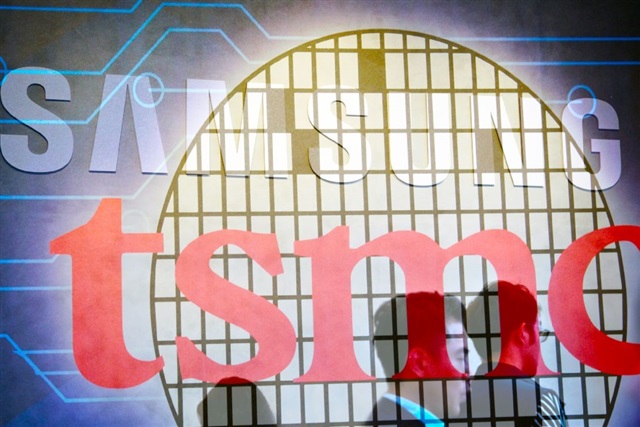
We’ve all gotten used to the narrative: TSMC, Taiwan’s manufacturing titan, is the undisputed king of advanced chip fabrication, especially for the AI chips that are currently gobbling up the world’s computing power. For years, it’s been the safe bet, the go-to foundry for everyone from Apple to NVIDIA. And then, AMD, a company that’s been making serious inroads in the AI space with its Instinct accelerators, decides to… well, defect. Reports are swirling that AMD is moving its coveted 2nm production from TSMC to Samsung Electronics, and frankly, it’s enough to make a seasoned industry observer raise an eyebrow, or perhaps two.
This isn’t some minor realignment. We’re talking about bleeding-edge, 2-nanometer process technology. This is where the future of high-performance computing, and by extension, AI, is being etched. For TSMC to lose a major player like AMD, especially in the AI arena, is a significant dent in their armor. It’s like seeing your favorite superhero suddenly decide to hang up the cape for a retirement home.
So, Who’s Actually Making Money Here?
Let’s cut through the PR fluff. For years, TSMC has been the seemingly unassailable gatekeeper. Their technological prowess, coupled with massive capacity, has given them use. But ‘unassailable’ is a strong word in Silicon Valley. Samsung, on the other hand, has been hungry. They’ve been investing billions, chasing TSMC’s coattails, and frankly, sometimes tripping over them. Getting a major customer like AMD, especially for their most advanced nodes, is a massive win for Samsung. It’s not just about filling fab space; it’s about validating their technology and proving they can compete at the highest level.
Intel, too, is making a play with its IFS (Intel Foundry Services) initiative. They’re dangling carrots in front of chip designers, promising alternative manufacturing options. The more fragmentation there is in the foundry market, the more options chip designers have, and potentially, the more competitive pricing they can negotiate. And who, at the end of the day, benefits from lower chip costs? The companies building the products. And maybe, just maybe, that trickle-down effect could eventually hit consumers. But don’t hold your breath on that last part.
The Geopolitical Chess Match
This isn’t just about who can etch the smallest transistors. It’s deeply intertwined with the global chip supply chain and the ever-present specter of geopolitical tensions. Taiwan’s critical position in semiconductor manufacturing is well-known, and any disruption or shift in that paradigm is monitored with hawk-like intensity by governments and corporations alike. AMD’s move might be a business decision, but it has ripple effects that reach far beyond quarterly earnings calls.
“TSMC’s dominance was built on reliability and technological leadership, but the market is dynamic. Customers are always seeking diversification and competitive advantage.”
This quote, which I’m paraphrasing from a very chatty industry analyst I bumped into at a very overpriced coffee shop, pretty much sums it up. Diversification. That’s the buzzword, isn’t it? But underneath it is a very real concern for many companies: what happens if something goes wrong in Taiwan? What if there’s an earthquake? What if there’s a political… incident? Samsung, being based in South Korea, offers a geographical alternative, a hedge against those risks.
For AMD, this is a calculated gamble. They’re betting that Samsung’s 2nm process is ready for prime time, or at least, ready enough to meet their needs for their next generation of products. If it pays off, they could gain a cost advantage, more flexibility, and perhaps even better performance. If it falters, they could face significant production delays and a hit to their reputation.
The Future of AI Foundries
The AI chip race is only accelerating. Demand for more powerful, more efficient processors is insatiable. Foundries like TSMC and Samsung are in a constant arms race to develop and deploy the next generation of manufacturing technologies. AMD’s decision highlights that while TSMC has enjoyed a dominant run, the landscape is far from static. The likes of Intel, and potentially even emerging players, will continue to vie for market share. This increased competition is good news for the industry as a whole, driving innovation and hopefully, eventually, better value for those who actually buy the end products.
Ultimately, this is just the latest chapter in the ongoing saga of who controls the means of chip production. It’s a complex dance of technology, economics, and geopolitics, and AMD’s move to Samsung is a significant step in that complex choreography.