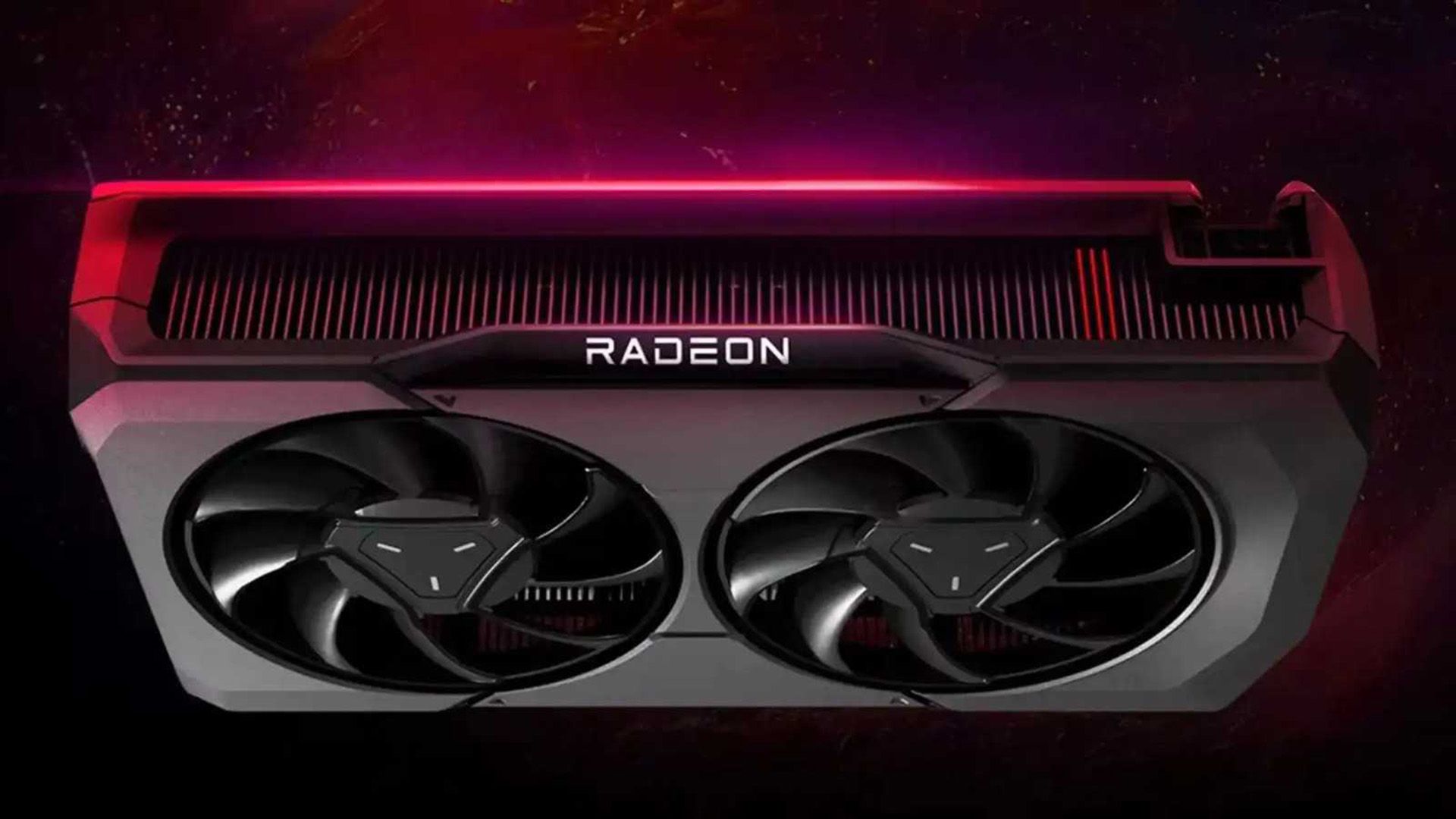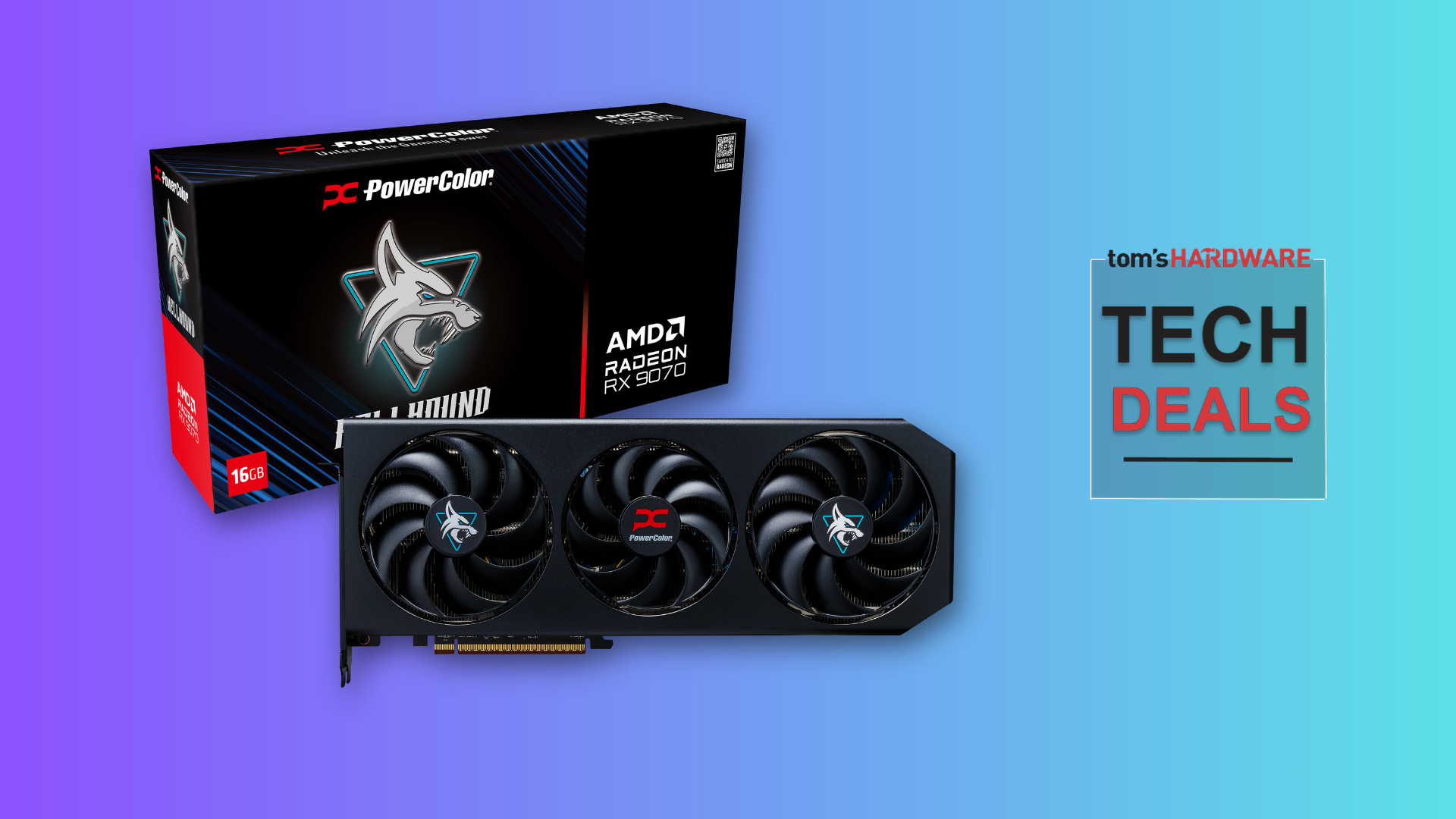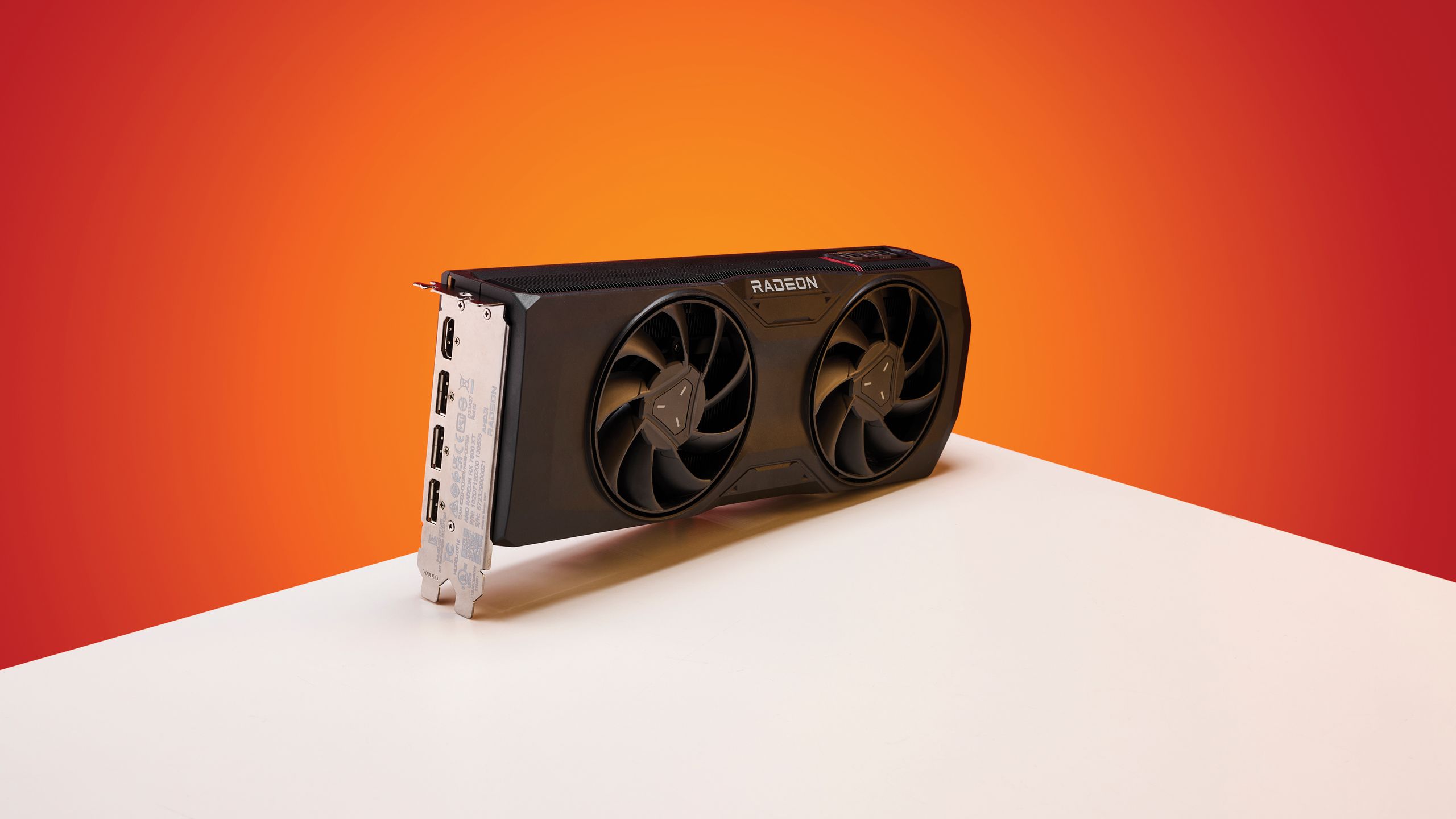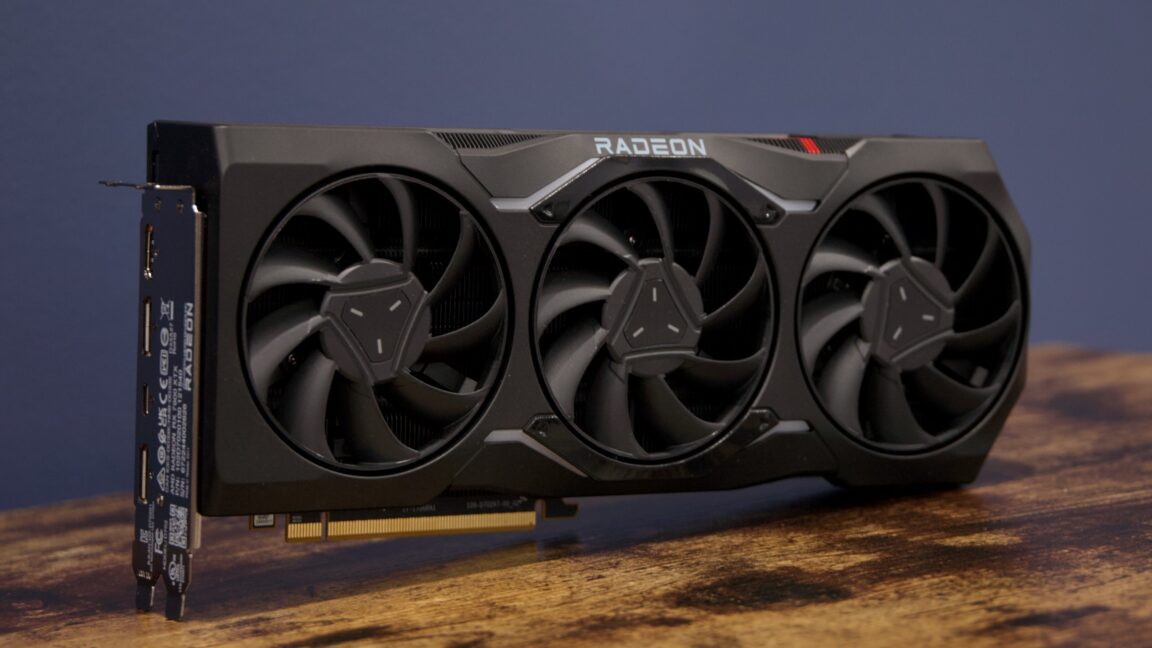
When AMD first pulled the curtain back on FidelityFX Super Resolution 4 (FSR 4) early last year, the promise was tantalizing: superior image quality through hardware-accelerated upscaling. But there was a catch, a big one. This cutting-edge tech, we were told, was exclusive to their brand-new RDNA 4 architecture, specifically the yet-to-be-fully-released Radeon RX 9000 series. Everyone else, particularly those rocking rigs with RDNA 3 or older cards, was left out in the digital cold.
That stringent exclusivity has, predictably, begun to thaw. Over a year later, in a move that’s sure to please gamers and PC builders alike, AMD Computing and Graphics SVP Jack Huynh has confirmed that FSR 4’s advanced capabilities are indeed coming to older GPUs. This isn’t some vague whisper; it’s a concrete announcement about a phased rollout, starting this July.
The Broadening Reach of FSR 4
The initial wave, beginning in July, will encompass RDNA 3 and RDNA 3.5-based GPUs. This means the Radeon RX 7000 series, a solid performer for many, will finally get the FSR 4 treatment. Crucially, this also extends to integrated GPUs like the Radeon 890M and 8060S. Think about the millions of thin-and-light laptops and compact gaming PCs equipped with these chips – they’re about to see a significant boost in visual fidelity and frame rates.
But AMD isn’t stopping there. Fast forward to ‘early 2027,’ and the support will extend even further back, reaching the RDNA 2 architecture. This is a big deal. RDNA 2 powers the popular Radeon RX 6000 series, many older integrated graphics solutions (like the Radeon 680M), and, perhaps most notably, the PlayStation 5 and Xbox Series X/S consoles. Yes, this could mean FSR 4 support is on the horizon for console gamers, a market segment that has historically seen less direct benefit from PC-specific upscaling tech.
The Technical Hurdle: From FP8 to INT8
This expansion, while welcome, wasn’t a simple plug-and-play. Huynh’s brief presentation touched upon the engineering challenges. RDNA 4’s FSR 4 use AI accelerators designed for the FP8 data format. Porting this sophisticated functionality to older architectures like RDNA 3 and RDNA 2, which rely on integer-based INT8 hardware, required significant effort. It’s a proof to AMD’s engineering that they’ve managed to bridge this architectural divide, even if it means some performance nuances might emerge.
“porting FSR 4 to older GPUs meant getting it running on the integer-based INT8 hardware in the RDNA3 and RDNA2-based GPUs.”
This quote hints at the kind of low-level optimization that must have been undertaken. It’s not just about slapping a new software layer on; it’s about fundamentally re-engineering how the upscaling algorithm interacts with the underlying silicon. The expectation is that while FSR 4 will bring its trademark image quality improvements, pushing it onto less specialized hardware could introduce a performance overhead compared to its native RDNA 4 implementation. Gamers will likely need to carefully balance fidelity and frame rates, as they always do, but the option will be there.
Why This Shift Matters
For years, the narrative around advanced graphics features has been one of rapid obsolescence. Buy the latest hardware, or you miss out. AMD’s decision to backport FSR 4 flips that script, at least partially. It demonstrates a commitment to the installed base, acknowledging that millions of capable GPUs already exist and are perfectly worthy of receiving the latest technological advancements. This isn’t just about selling more hardware; it’s about fostering goodwill and extending the useful life of existing gaming rigs. For the gaming industry, which thrives on both new releases and accessibility, this could be a subtle but significant shift.
Furthermore, consider the implications for competitive parity. NVIDIA’s DLSS has enjoyed a significant head start in widespread adoption and often perceived image quality. By making FSR 4 more accessible, AMD is not just competing; it’s forcing the entire industry to think more holistically about how graphical enhancements are distributed. It encourages an ecosystem where advanced rendering techniques aren’t solely the domain of the bleeding edge.
The RDNA 4 Story So Far
It’s important to note that RDNA 4 itself hasn’t exactly flooded the market. To date, AMD has released a limited selection of RX 9000 series cards: the RX 9070 XT, RX 9070, and two versions of the RX 9060 XT. An RX 9060 is also available, but it’s restricted to OEM partners. What’s conspicuously absent from this lineup are integrated GPUs, the kind found in the popular gaming handhelds and thin-and-light laptops that have been rapidly gaining traction. This limited rollout for RDNA 4 might have contributed to AMD’s decision to push FSR 4 backward, maximizing its impact.
FSR 4 on Consoles? The RDNA 2 Link
The inclusion of RDNA 2 support in early 2027 opens a fascinating door to console gaming. The Xbox Series X/S and PlayStation 5 both utilize RDNA 2-based GPUs. This means that if Sony and Microsoft choose to implement FSR 4 in future game updates or system-level support, millions of console players could benefit from enhanced visual fidelity without requiring new hardware. This is a potential boon for game developers, offering another tool to optimize performance and visuals across a wider range of platforms.
Ultimately, AMD’s expanded FSR 4 support is a strategic move. It bolsters the value proposition of their older hardware, diversifies the ecosystem of supported devices, and potentially closes the gap with competitors in the upscaling technology space. It’s a reminder that even a year after its debut, a technology’s journey is far from over.
🧬 Related Insights
- Read more: Mega Geometry: Nvidia’s VRAM Diet
- Read more: LLM Decoding Gets a Nudge: New Chip Design [3D NMP]