The office printer whirred, spitting out a press release that smelled suspiciously of ink and desperation.
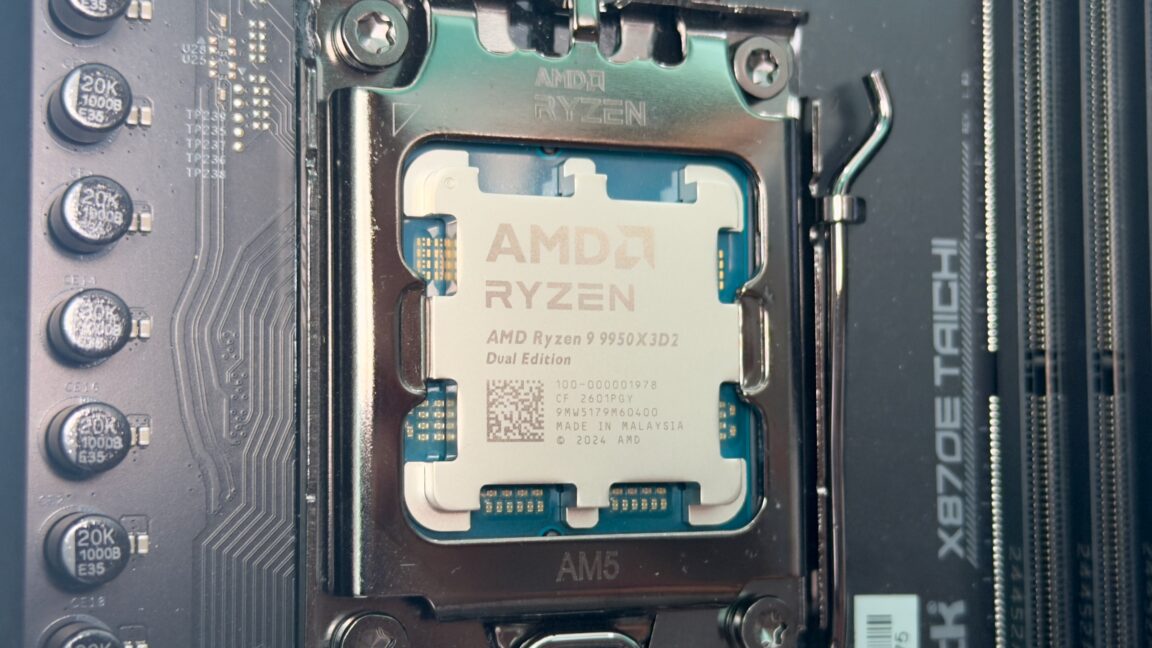
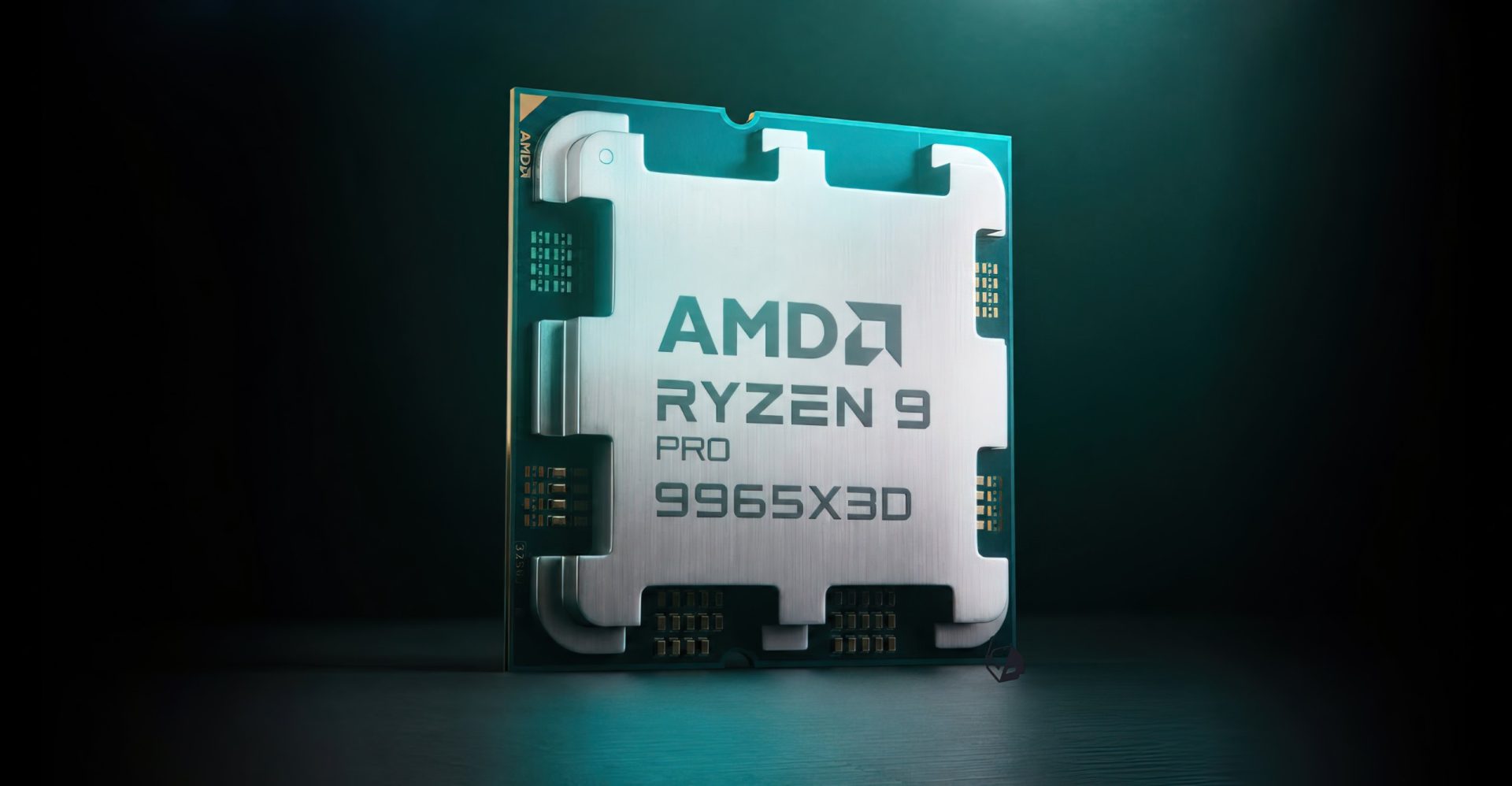
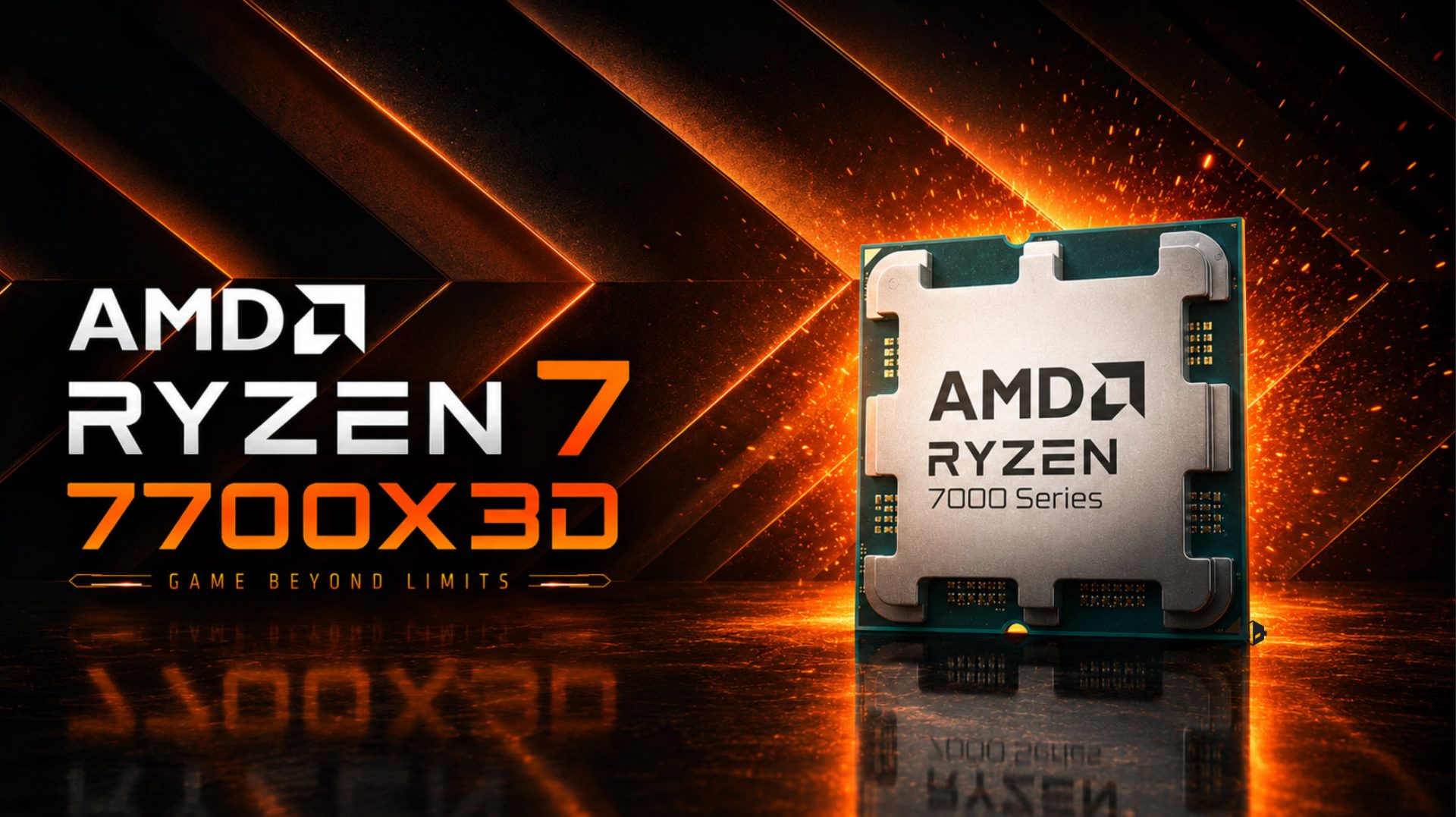
AMD, bless its silicon heart, is apparently still churning out processors. This time, it’s the Ryzen 7 7700X3D, a chip that sounds remarkably like its predecessor, the 7800X3D, but—and this is the kicker—cheaper. Because what the world really needed was another eight-core gaming CPU with a massive chunk of cache stacked on top. Apparently, more is more, especially if it hits a lower price point.
A Cache for the Masses?
Let’s not bury the lede here. The big draw, the entire point of AMD’s 3D V-Cache strategy, is that chunky L3 cache. And the 7700X3D isn’t skimping. We’re talking 96MB of it, the same amount crammed onto the highly-regarded 7800X3D. This means, theoretically, the gaming performance should be remarkably similar. The core count remains a solid eight, a number that, despite the relentless march of core counts elsewhere, still reigns supreme for most gaming workloads. So, on paper, this is a straight-up bargain hunter’s dream. The question is, where’s the catch?
Clocking Out: The Subtle Differences
Here’s where the “cheaper” part starts to reveal itself. The 7700X3D is dialing back the clock speeds. We’re looking at a 4.0 GHz base clock and a 4.5 GHz boost. That’s a noticeable step down from the 7800X3D’s 4.2 GHz base and 5.0 GHz boost. AMD figures this might shave off about 5% performance in gaming. Five percent. For a potentially significant chunk of change saved, that’s a trade-off many gamers will happily make. It’s the classic engineering compromise: slightly less speed for substantially more value. And frankly, it’s a move that makes a lot of sense in a market that’s always clamoring for more bang for its buck.
Price is Right… Maybe
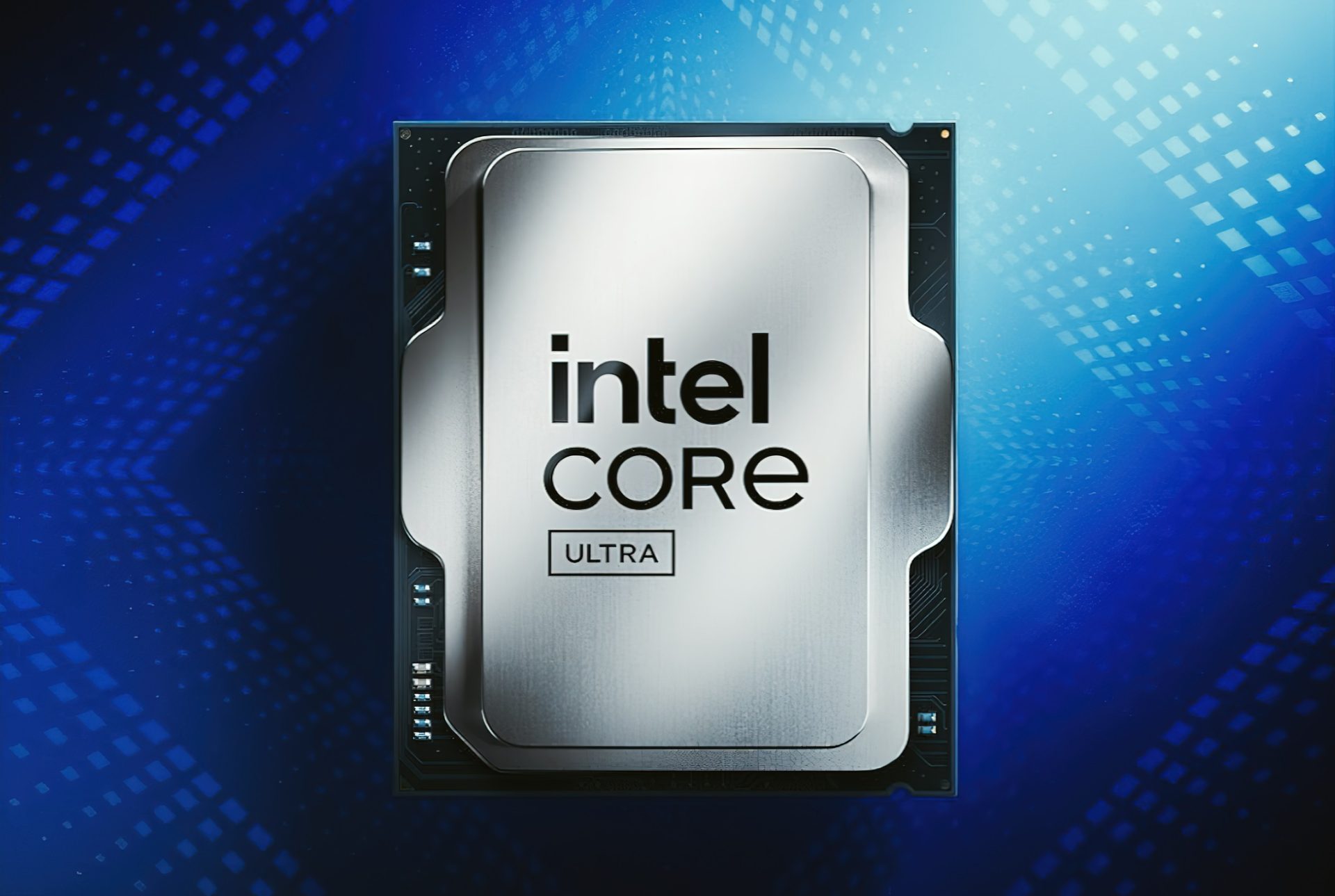
The real magic, of course, will be the price. Whispers suggest a retail price somewhere between $299 and $349. Compare that to the 7800X3D, which often hovers around the $365 mark, and you start to see the appeal. This positions the 7700X3D as a serious contender against Intel’s Core Ultra chips. While Intel might still win the multi-threaded battle—because, well, that’s what more cores and higher clocks are good for—for pure gaming, AMD’s cache-laden approach is still king. It’s a strategy that’s worked wonders for them, and they’re clearly not done milking it.
A Glimpse of AMD’s Long Game
This release feels less like a brand-new innovation and more like a strategic repositioning. AMD has found a winning formula with 3D V-Cache. It’s a technology that significantly boosts gaming performance without requiring a complete architectural overhaul. By offering a slightly de-clocked version at a lower price, they’re essentially broadening the appeal of their premium gaming technology. It’s a smart play. They’re taking a successful recipe and making it accessible to a wider audience. It’s a bit like putting out a “lite” version of a popular software, but with actual hardware benefits. This strategy not only captures more market share but also keeps their existing manufacturing lines busy with a proven performer.
The new CPU will be called the AMD Ryzen 7 7700X3D, and as per the naming, the chip should fall below the 7800X3D.
So, is the Ryzen 7 7700X3D a game-changer? No. Is it a sensible addition to AMD’s lineup that offers excellent gaming value? Absolutely. It’s a proof to how a well-placed bit of silicon can make a world of difference. Just don’t expect it to start writing your emails for you.
Will this replace my job?
No. While AI is making strides, this particular CPU is designed for gaming and general computing tasks. It doesn’t possess the capabilities to perform complex human roles.
Is AMD’s 3D V-Cache still relevant?
Absolutely. For gaming, AMD’s 3D V-Cache technology continues to offer a significant performance advantage in many titles, making it highly relevant for gamers seeking top-tier performance.
Why is AMD releasing a cheaper 7700X3D?
AMD is likely aiming to capture a wider segment of the gaming market by offering its proven 3D V-Cache technology at a more accessible price point, competing effectively with Intel’s offerings in the mid-range segment.