A robotic arm freezes mid-weld. Seconds tick. The factory line grinds to a halt, costing thousands.
That’s the nightmare NVIDIA wants to erase with IGX Thor—its latest stab at edge AI for the brutal worlds of industry, medicine, and robotics. Dropped into these high-stakes zones, NVIDIA IGX Thor isn’t just another dev kit; it’s a full-family assault on systems that demand AI brains without the babysitting.
Zoom out: factories, ORs, mobile bots—they’re all gorging on sensors, gen AI models, high-res data. But safety regs? They’re the chokehold. Deterministic behavior, uptime, verifiable safety. NVIDIA claims IGX Thor nails it, blending server-grade AI with industrial armor. Blackwell iGPU inside, up to 5,581 FP4 TFLOPS in top configs. Eight times Orin’s AI compute. Wild.
What Makes IGX Thor Tick Under the Hood?
Crack it open, and here’s the architecture shift: NVIDIA’s shoving Blackwell—that datacenter monster—into compact, safety-certified edge boxes. The star? Functional Safety Island (FSI) baked into the SoC, plus a dedicated Safety MCU on beefier models. No more praying your AI inference doesn’t glitch a robot into a wall.
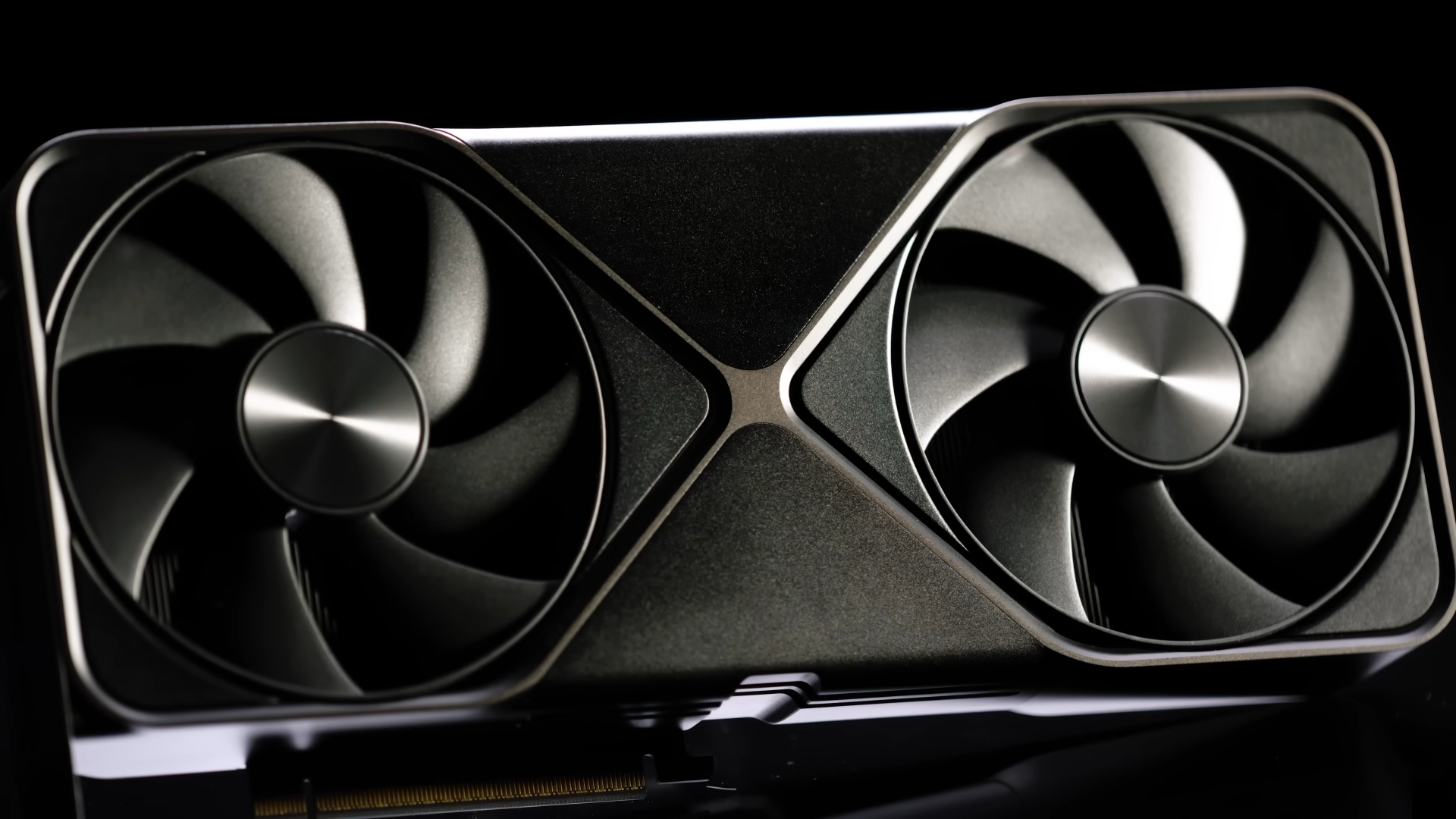
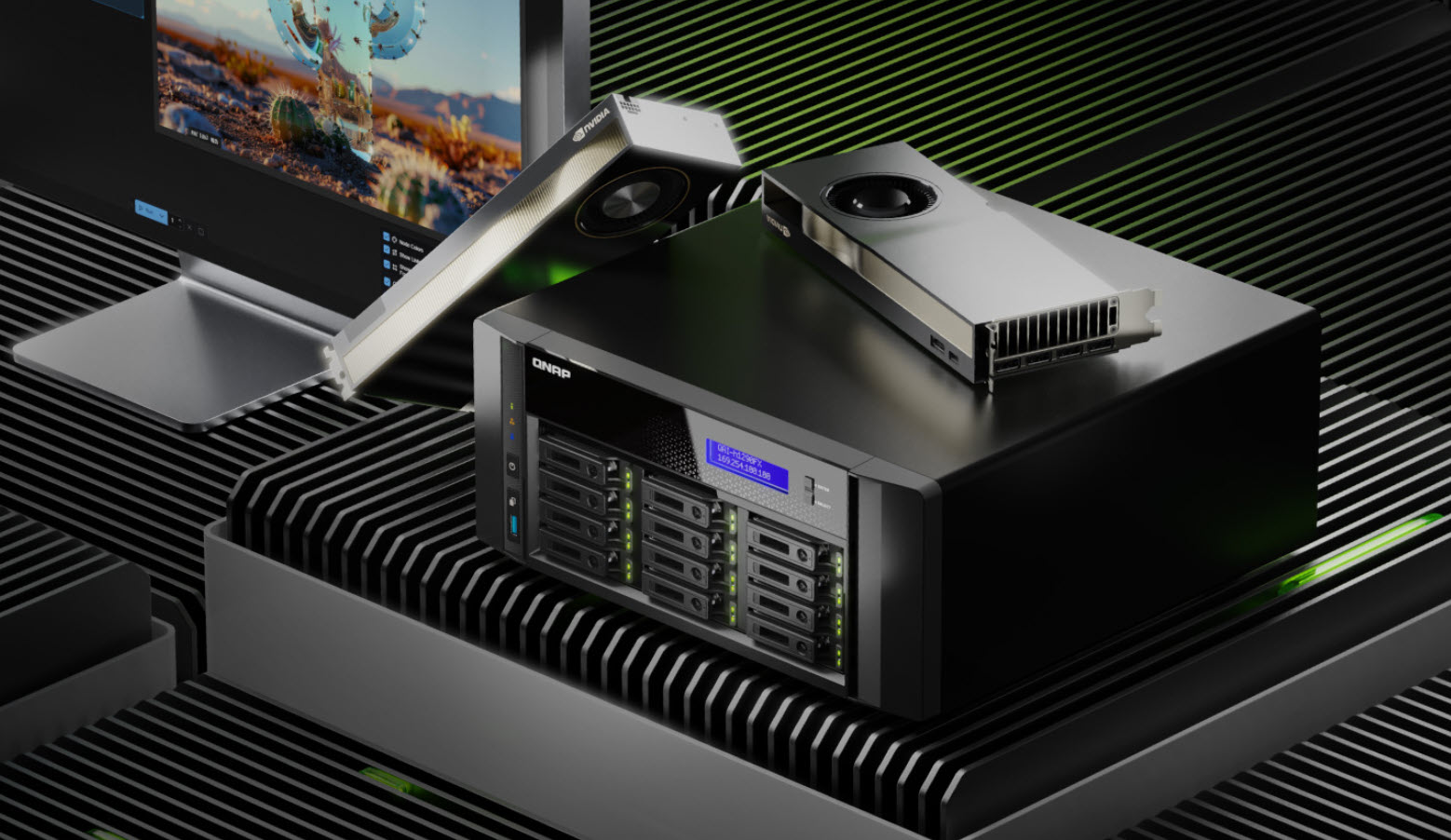
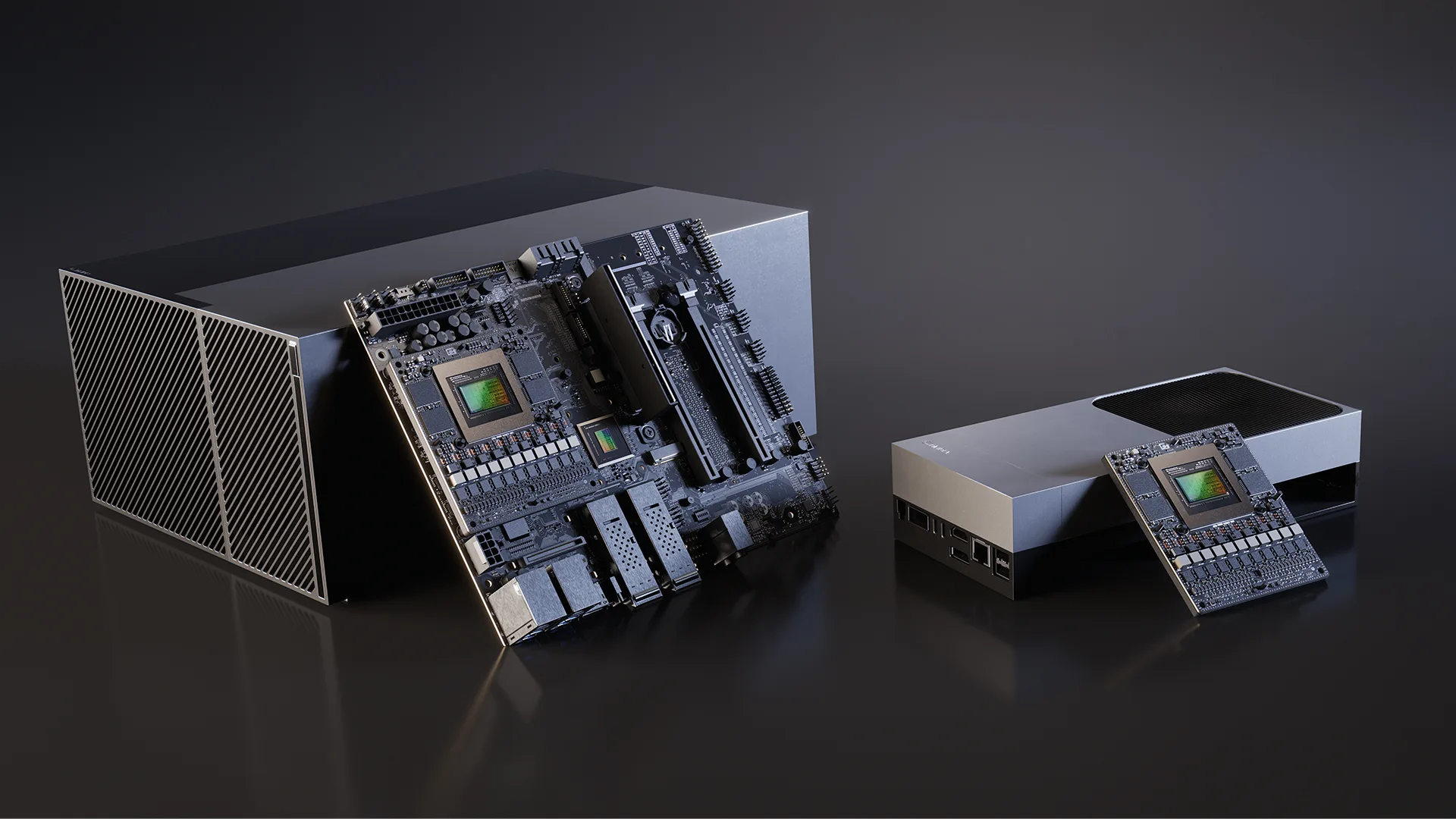
Take the IGX T5000 SoM. Tiny module, 2,070 FP4 TFLOPS from a 2,560-core Blackwell GPU humming at 1.57 GHz. 128 GB LPDDR5x memory. Slap it on your custom carrier board for bespoke factory cells or surgical rigs. Then scale up: IGX T7000 Board Kit adds a discrete RTX PRO 6000 Blackwell Max-Q—3,511 more TFLOPS—for 5,581 total. MicroATX form, QSFP112 networking at 200 GbE. It’s like strapping a DGX snippet to a conveyor belt.
Developer kits round it out. The full Thor Dev Kit mirrors T7000 perks for prototyping. Mini version shrinks it for mobile bots—5GBe, WiFi 6E, still Thor-class safety.
“NVIDIA IGX Thor is an enterprise-ready platform for physical AI. It offers server‑class AI performance together with industrial-grade hardware, advanced functional safety capabilities, extended lifecycle support, and an enterprise software stack in configurations suitable for industrial and medical environments.”
NVIDIA’s own words—straight hype? Maybe. But the specs scream intent.
And performance? Against IGX Orin, it’s 8x iGPU AI, 2.5x with dGPU, 2x networking. T7000 claims 5x gen AI reasoning, 20x more users via concurrent iGPU/dGPU. Handles sensor fusion, real-time pipelines where data explodes at the edge.
Is 8x Orin Really Edge-Ready—or Datacenter Hype in a Rugged Case?
Here’s my dig: NVIDIA’s datacenter dominance came from CUDA lock-in, raw FLOPS. Edge? Different beast. Power envelopes tight, thermals vicious, certs endless (ISO 26262, anyone?). IGX Thor’s FSI promises ASIL-D compliance—verifiable safety without nuking performance. But will devs actually deploy those 5k+ TFLOPS models? Gen AI at edge sounds sexy, but most factories chug CV or planning algos today.
Skeptical take: this feels like NVIDIA future-proofing against a robotics boom they predict (and profit from). Remember Jetson? Solid, but Orin was the safety leap. Thor? It’s Orin on steroids, chasing physical AI where bots “reason” like LLMs. Pair iGPU for always-on safety tasks, dGPU for bursty inference. Smart split.
Unique angle—and this original: it’s 2015 Tegra déjà vu. NVIDIA bet big on automotive then, flamed out on power draw. Learned: now they modularize (SoM + kits), extend lifecycles (10+ years), bundle enterprise stack (NVIDIA AI Enterprise, Omniverse for sims?). Prediction: Thor dominates industrial like Hopper did clouds, but only if partners like Siemens or Intuitive Surgical bite. Otherwise, Intel’s Xeon edge or Qualcomm’s robotics chips nibble market share.
Look, corporate spin calls it a “step-function.” Fine. But in a TSMC-stressed world, Blackwell yields at edge scale? That’s the real test. No public pricing yet—expect premium, $5k+ per kit?
Why Developers (and Skeptics) Should Care About Thor’s Networking and I/O
Networking’s underrated hero. T7000’s dual QSFP112 (ConnectX-7 smartNICs) hit 200 GbE. Orin’s 2x. Why? Edge clusters—multiple Thors fusing lidar, cameras, force sensors for a mobile platform. No cloud roundtrips. Dev Kit Mini adds WiFi 6E for untethered bots.
BMC on big boys for remote mgmt. I/O galore: PCIe Gen5, M.2 slots. It’s not just compute; it’s a system architect’s dream for regulated hellscapes.
But wander here: medical? Surgical rooms crave low-latency gen AI for predictive maintenance or augmented reality overlays. Robots? AMRs dodging forklifts via multimodal fusion. Industrial: downtime prediction via time-series LLMs. Thor enables it—if software stack delivers. NVIDIA’s edge with Metropolis, Isaac.
The Harsh Edge Reality Check
One punchy truth.
Thor won’t save every factory tomorrow. Retooling for Blackwell means capex hits. Certs take years. Still, for greenfield or upgrades, it’s compelling.
Bold call: by 2027, expect Thor in 20% of new AMRs—echoing RTX in pro viz workstations. NVIDIA’s physical AI pivot pays if Blackwell fabs hold.
🧬 Related Insights
- Read more: NVIDIA CloudXR.js Unlocks Browser XR Streaming—No More App Hell for Enterprises
- Read more: Truck-Sized AI Data Centers: GPUs Delivered in Months, Not Years
Frequently Asked Questions
What is NVIDIA IGX Thor used for?
It’s rugged edge platforms for industrial AI, medical systems, robotics—running gen AI inference safely with Blackwell GPUs.
How does NVIDIA IGX Thor compare to IGX Orin?
Up to 8x AI performance on iGPU, 2.5x with dGPU, doubled networking—built for harsher, more demanding workloads.
Can IGX Thor run generative AI at the edge?
Yes—5x reasoning speed vs. Orin, supports concurrent GPU use for 20x more users in real-time apps.