Why bet your entire future on Samsung’s 2nm when TSMC’s lapping the field?
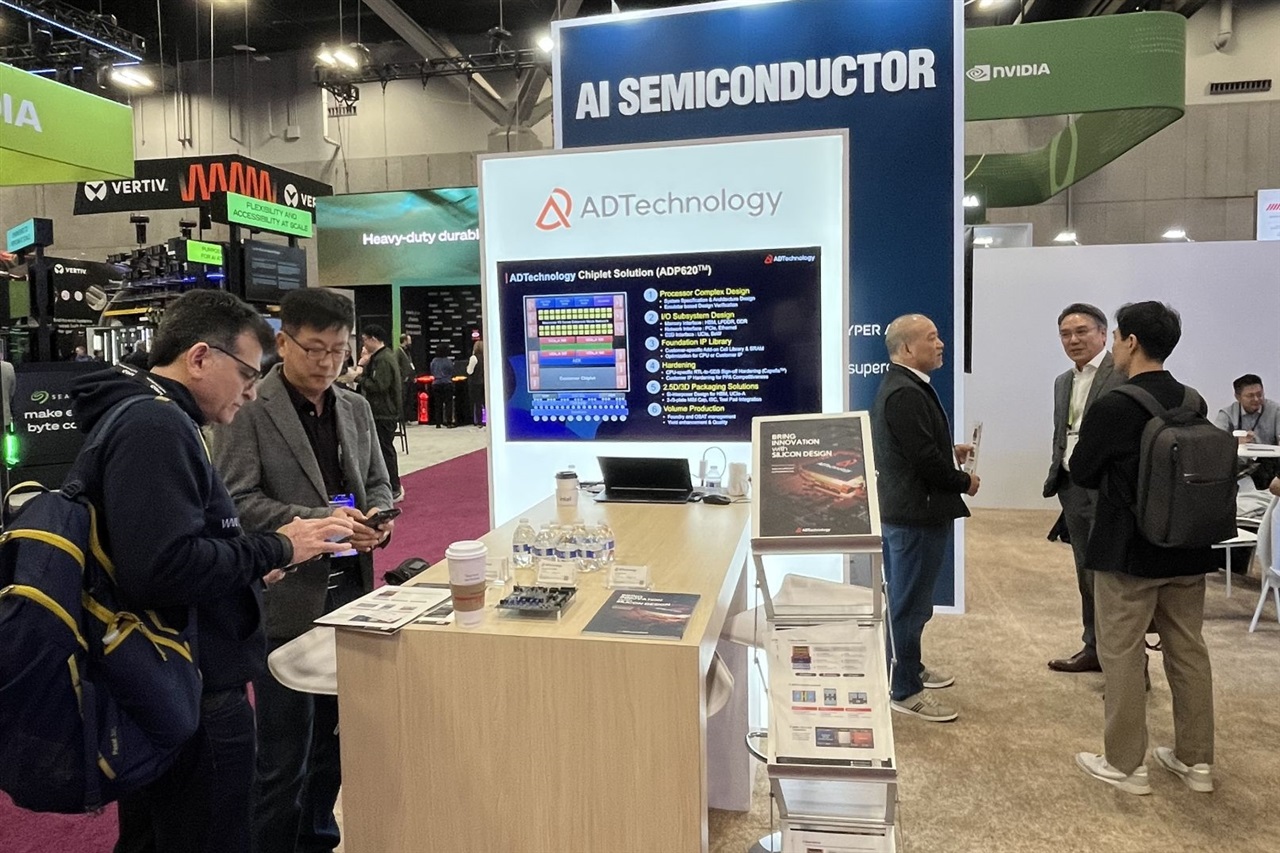
AD Technology — that scrappy South Korean IC design house — did just that. Back in 2019, they jumped ship from TSMC’s Value Chain Alliance to Samsung’s Design Solution Partners program. Initial hiccups? Sure. Profitability tanked for a bit. But now? They’re profitable again, gunning for KRW1 trillion ($730 million) in revenue, powered by a 2nm CPU platform cooked up with Samsung Foundry.
Here’s the raw data: Samsung’s DSP roster is elite — think 20 top-tier design firms getting cozy co-optimization perks. AD Technology’s not just along for the ride; they’re touting this 2nm beast as their ticket to the big leagues. Market dynamics scream opportunity. Global CPU demand’s exploding — AI servers, edge computing, you name it — and 2nm’s the next frontier after 3nm’s rollout.
But.
Samsung’s foundry business? It’s playing catch-up. TSMC owns 60%+ market share; Samsung’s scraping 10-15%. Their 3nm yields? Reportedly lagging — whispers of 40-50% vs. TSMC’s 70%. So AD Technology’s all-in on 2nm timing? Bold. Reckless? Maybe.
Why Ditch TSMC for Samsung’s DSP?
Look, TSMC’s VCA was comfy — standardized tools, ecosystem lock-in. Samsung’s DSP? It’s a tighter club. Partners get early tape-outs, custom PDKs, even yield-boosting black magic from Samsung’s engineers.
“After overcoming initial challenges, the company has returned to profitability and now…”
That’s straight from AD Technology’s playbook. They didn’t elaborate much — classic Korean firm opacity — but the shift paid off. 2019-2022: Losses. 2023: Black ink. Now, 2nm CPU platform announcements coincide with Samsung’s SF2 (2nm) ramp-up slated for 2025 mass production.
Data point: Samsung’s pouring $230 billion into fabs through 2030. Korea’s government? Chucking chips subsidies like confetti — $47 billion CHIPS Act equivalent. AD Technology’s riding that wave, their CPU targeting mobile? Servers? Unclear, but revenue math suggests high-volume plays.
And here’s my unique take — one you won’t find in the press release spin: This mirrors MediaTek’s 2010s pivot from pure fabless to Samsung alliances. MediaTek surged 5x revenue post-partnership, snagging Qualcomm scraps. History rhymes; AD Technology could be Korea’s next MediaTek if Samsung nails yields.
Short para. Risky.
Can Samsung’s 2nm Actually Deliver for AD Technology?
Samsung claims SF2 hits 30% density over 3nm, power down 50%. Sounds great — on paper. Reality? Their GAA transistors (MBCFET) promise big, but TSMC’s N2 (2nm) with nanosheet tech leads benchmarks. Early customer wins? Mostly Samsung’s own Exynos. Outsiders like AD? Untested.
Market dynamics shift fast. Nvidia, AMD stick TSMC. But geopolitical winds — US-China tensions, Korea’s self-reliance push — favor Samsung. If AD’s 2nm CPU lands in Hyundai servers or LG mobiles, KRW1T’s feasible. Assume 10 million units at $70 ASP: $700 million. Doable in a banner year.
Yet skepticism reigns. Samsung’s capex overspends — $30B+ yearly — strain margins. Client defections (Qualcomm rumors)? Ominous. AD Technology’s not blind; they’re hedging with DSP perks like free shuttles, IP co-dev.
So what’s the editorial call? Smart hedging in a TSMC-dominated world. Not revolutionary — Samsung needs this win more than AD does. But if 2nm clicks, watch Korean design houses swarm DSP.
Numbers don’t lie: AD Technology’s revenue trajectory — from KRW100B pre-switch to trillion dreams — tracks Samsung’s recovery arc. Q3 2024 foundry revenue up 20% YoY. Momentum building.
Wander a sec: Remember GlobalFoundries’ 7nm flop? Stuck at 12nm, lost clients. Samsung can’t afford that. AD’s bet pressures them — productively.
What This Means for the Foundry Wars
Korea vs. Taiwan. Samsung vs. TSMC. AD Technology’s just the latest proxy. If their 2nm CPU platform scales, it validates Samsung’s underdog story. Broader ripple: More designs flee TSMC’s pricing power (up 10% hikes). Europe, Japan eye alternatives.
Prediction: By 2027, Samsung grabs 20% advanced node share if yields hit 60%. AD rides to KRW1T, maybe more with packaging tie-ins.
But call out the hype — “eyes KRW1T” screams PR. No timelines, no volume commitments. Classic.
Deep dive done. Facts stacked. Strategy? Makes sense — for now.
🧬 Related Insights
- Read more: Intel’s Record-Thin GaN Chiplet: Smart Foundry Bet or Desperate AI Catch-Up?
- Read more: BenQ Materials Ships CMP Rollers to Fabs – Taiwan’s Latest Semi Gamble?
Frequently Asked Questions
What is AD Technology’s 2nm CPU platform?
It’s a high-performance CPU design optimized for Samsung’s upcoming 2nm process, targeting revenue explosion via mobile and server apps.
Why did AD Technology switch from TSMC to Samsung DSP?
For deeper collaboration, early access to advanced nodes, and Korea-centric supply chain perks post-2019 pivot.
Can AD Technology really hit KRW1T revenue?
Possible if Samsung’s 2nm yields deliver and market demand surges — historical parallels like MediaTek suggest yes.