KRW 40 billion. That’s roughly $27.1 million dollars, and it’s the number that just landed on ADTechnology’s doorstep from a US-based AI fabless company. This isn’t just pocket change; it’s a full turnkey contract for developing and supplying HPC (High-Performance Computing) SoC chiplets, destined for the heart of AI data centers. And the secret sauce? Samsung Foundry’s latest 4nm process. This deal whispers of a future where AI isn’t just a concept, but a tangible, silicon-powered reality humming away in massive server farms.
Look, this is the kind of news that makes you sit up straight. We’re talking about a fundamental platform shift here, the kind that redefines industries and reshapes the very fabric of how we interact with technology. AI is no longer just about clever algorithms running on general-purpose hardware. It’s about specialized silicon, purpose-built engines designed to chew through gargantuan datasets and spit out intelligent insights at speeds we could only dream of a few years ago. ADT’s role here, acting as the foundry partner, is absolutely critical. They’re the ones translating the brilliant, but abstract, ideas of the US fabless company into the gritty, physical reality of silicon wafers.
Why does this matter so much, you ask? Because every chiplet they design and manufacture is a tiny brick in the foundation of the AI-powered future. Think of it like the early days of the internet, when companies were building the infrastructure – the cables, the routers, the servers – that would eventually allow for the explosion of online services. This deal signifies a concrete step in building that AI infrastructure. It’s not just about one contract; it’s a proof to the escalating demand for specialized AI hardware and the complex global dance of design, manufacturing, and deployment.
The Foundry Arms Race Continues
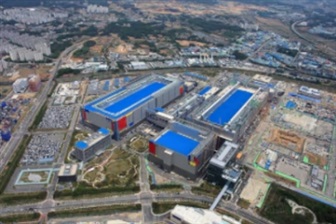
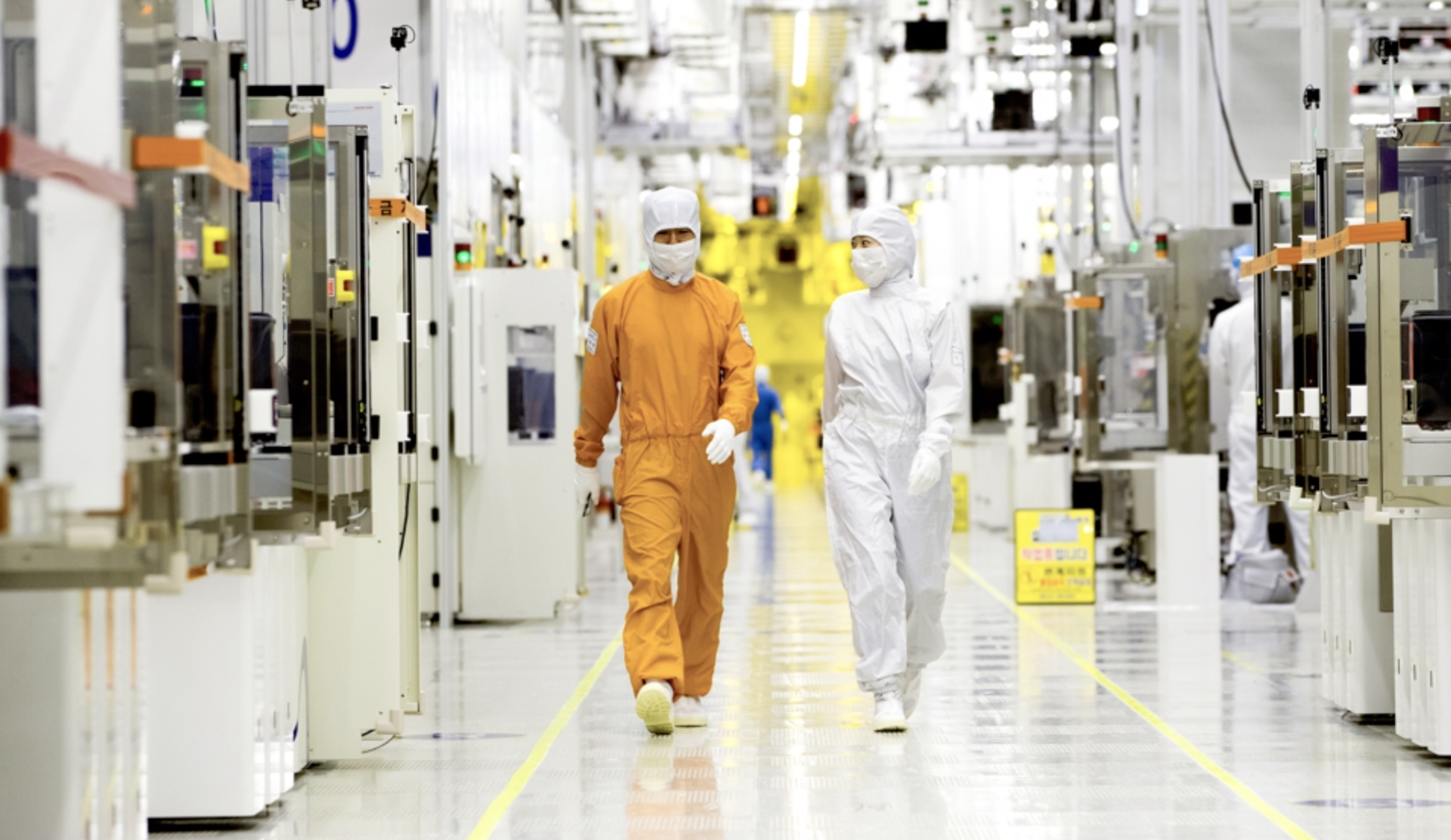
Samsung Foundry snagging this business is no small potatoes. For years, TSMC has been the undisputed king of advanced process nodes, but Samsung is relentless in its pursuit. This 4nm deal isn’t just about bragging rights; it’s about proving their mettle in the fiercely competitive world of advanced semiconductor manufacturing. Building AI chips, especially for HPC, demands extreme precision and cutting-edge lithography. The fact that a US AI fabless company entrusted Samsung with this crucial task speaks volumes about their capabilities and the increasing viability of multi-foundry strategies for AI hardware vendors worried about single-source dependency. It’s a win for Samsung, and potentially a smarter play for the fabless company.
But here’s the thing: the real magic happens in the chiplets. These aren’t your grandpa’s monolithic CPUs. We’re talking about modular components, each designed for a specific task – compute, memory, I/O – that are then packaged together. This chiplet approach is a game-changer for AI. It allows for immense flexibility, scalability, and can even reduce costs by letting companies mix and match proven IP blocks. ADT’s expertise in this area is what makes them indispensable. They’re not just running a process; they’re orchestrating a symphony of complex components into a high-powered AI engine. It’s a level of sophistication that’s becoming the norm, not the exception, in advanced chip design.
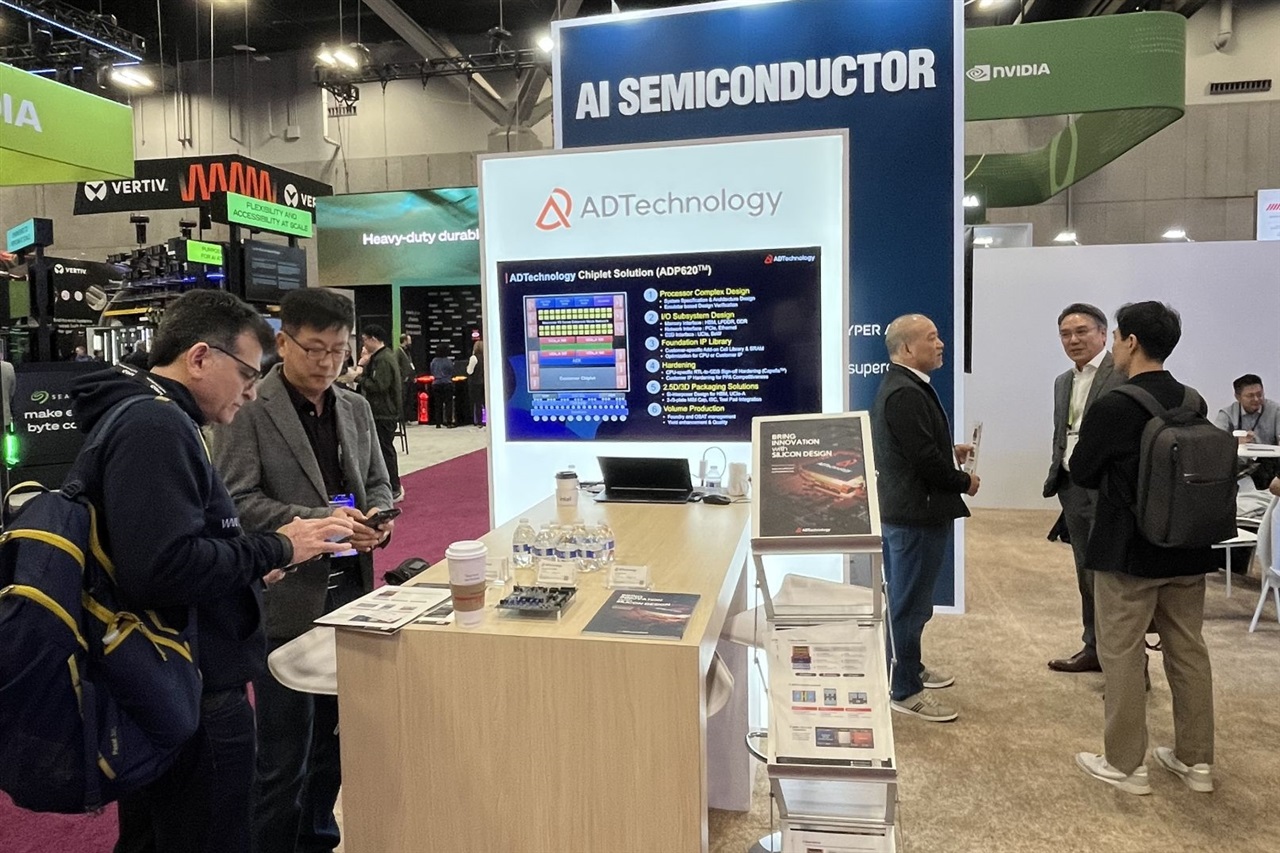
ADTechnology said it has signed a KRW 40 billion (US$27.1 million) turnkey contract with a US-based AI fabless company to develop and supply HPC SoC chiplets for AI data-center applications using Samsung Foundry’s 4nm process.
The AI Chiplet Revolution
This isn’t just an incremental upgrade. It’s a paradigm shift, like moving from steam power to electricity. The raw processing power required for modern AI models is staggering. Training a large language model can take thousands of GPU-years – that’s the equivalent of one GPU running for thousands of years. HPC chiplets are designed to drastically shorten that timeline. They are the specialized engines that can accelerate these complex computations, making previously intractable problems solvable. This deal is a clear signal that the demand for this kind of specialized horsepower is only going to accelerate. We’re building the brains of tomorrow, one chiplet at a time.
And let’s not forget the geopolitical implications, though that’s a whole other can of worms. Having US AI companies rely on Samsung Foundry for critical manufacturing adds another layer to the complex global semiconductor supply chain. While the focus often lands on TSMC, diversification is a strategic imperative for many nations and companies. This deal is a clear indicator that Samsung is very much in the running for these high-stakes AI silicon orders, which means more options and potentially more resilience for the global AI ecosystem. It’s a vibrant, sometimes messy, but undeniably exciting time to be watching the chip industry.
So, what’s next? We’ll be keeping a very close eye on ADTechnology and Samsung Foundry as this project unfolds. The performance of these new HPC SoC chiplets, and the speed at which they can be deployed into data centers, will be a crucial indicator of the pace of AI advancement. This is just one deal, but it’s a powerful harbinger of the silicon-fueled AI future that’s rapidly approaching. The future isn’t just coming; it’s being fabricated, one nanometer at a time.
FAQ
What is ADTechnology?
ADTechnology is a South Korean company that specializes in semiconductor design and packaging, acting as a crucial partner for fabless semiconductor companies by developing and manufacturing their chips.
Why is Samsung’s 4nm process important for AI chips?
Samsung’s 4nm process node represents a significant advancement in semiconductor manufacturing, offering higher performance and better power efficiency compared to older nodes. This is critical for AI chips, which require immense computational power and low energy consumption to handle complex tasks in data centers.
What are HPC SoC chiplets?
HPC SoC chiplets are small, specialized semiconductor components designed for High-Performance Computing (HPC) applications, particularly those used in AI data centers. They are built using a chiplet architecture, meaning they are modular and can be combined with other chiplets to create a larger, more powerful System-on-Chip (SoC) tailored for specific AI workloads.