SK hynix Revenue Surpasses 50 Trillion Won for First Time
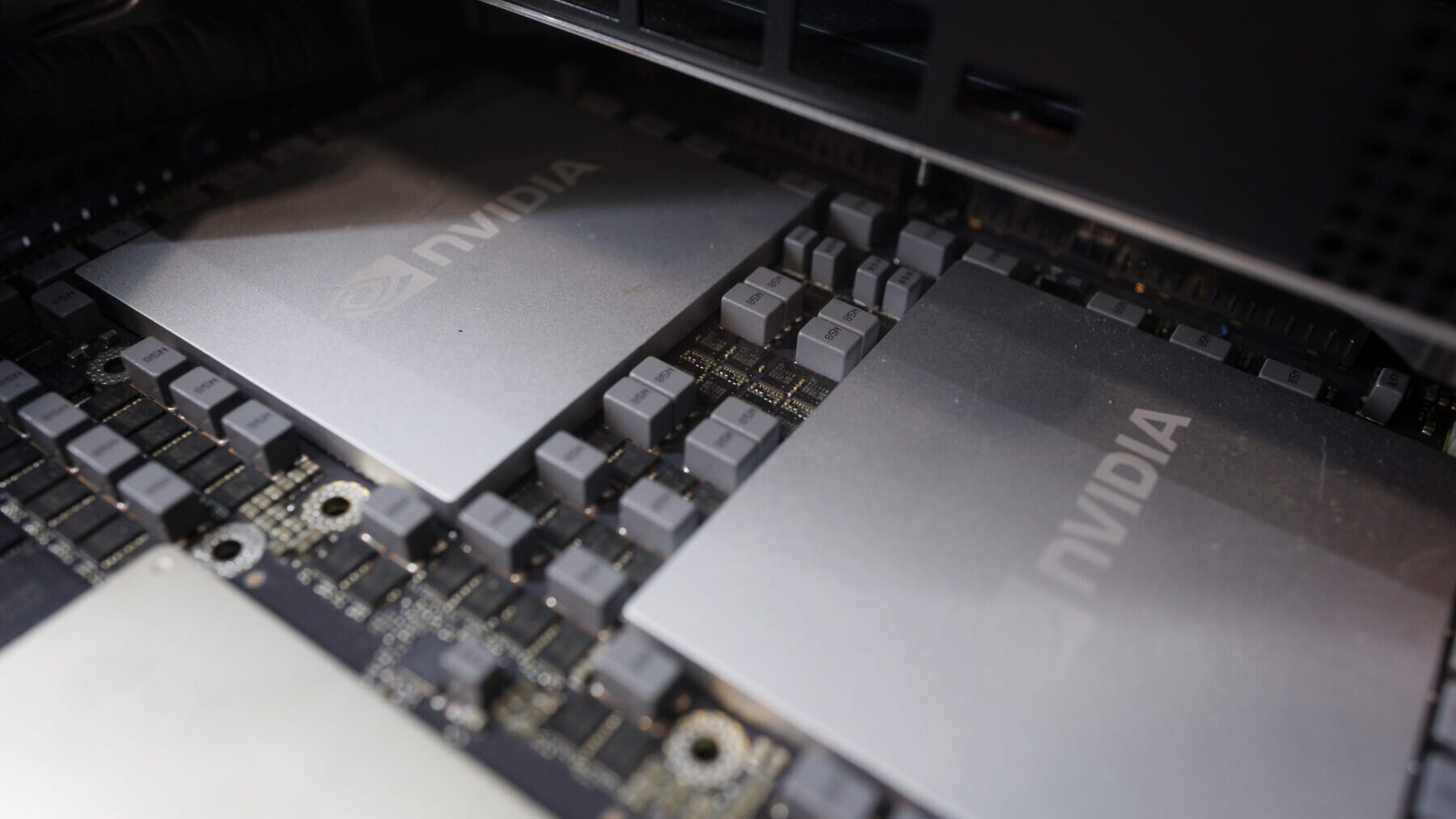
SK hynix just posted numbers that made semiconductor history, shattering revenue and operating profit records. The AI gold rush, it turns out, is a very good year for memory makers.
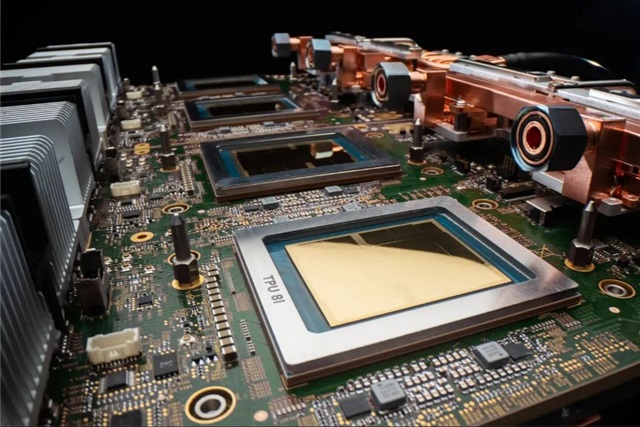
Google just carved up its AI chips into training beasts and inference speedsters. After 20 years watching Valley hype cycles, I'm asking: who's really cashing in?
The AI gold rush is hitting a wall, and chipmakers are quietly scrambling. Intel and SambaNova's latest move isn't just another partnership; it's a pragmatic pivot away from the GPU-only playbook.
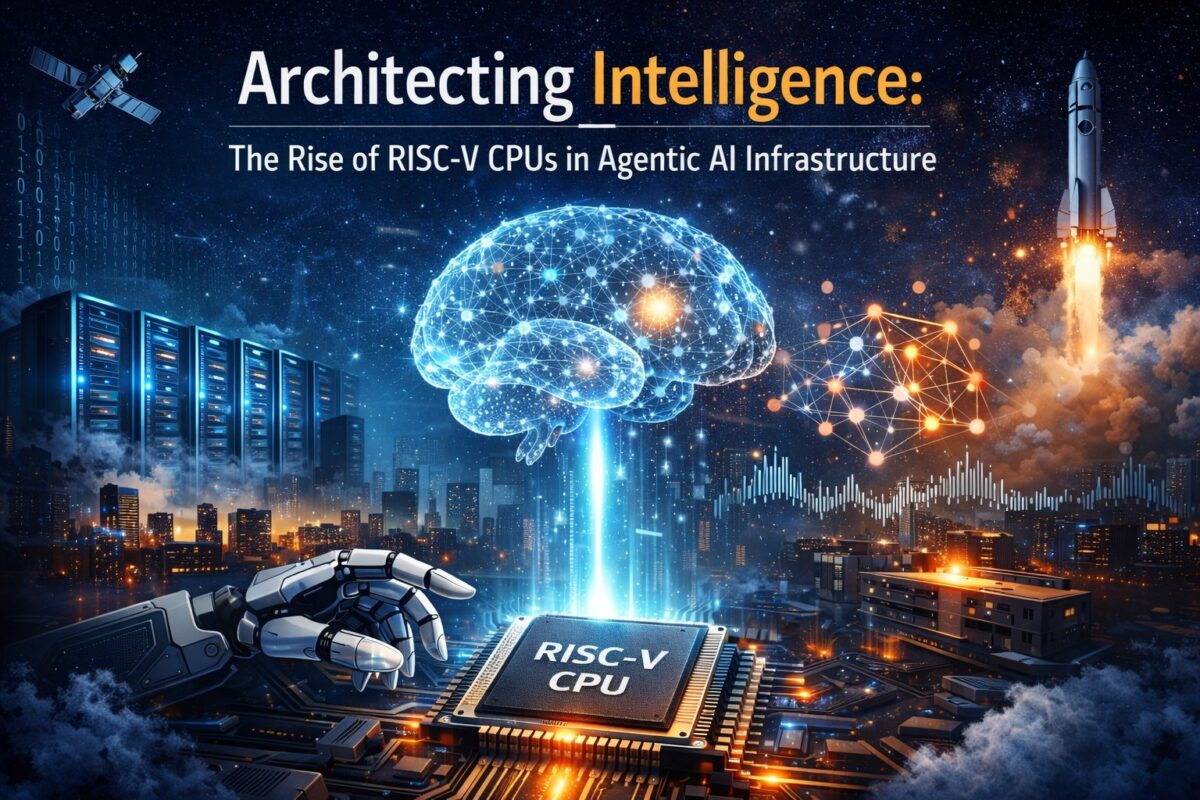
SiFive just hauled in $400 million, betting big on RISC-V CPUs to run the brains of agentic AI. Sounds promising—until you poke at the power-hungry reality of data centers.
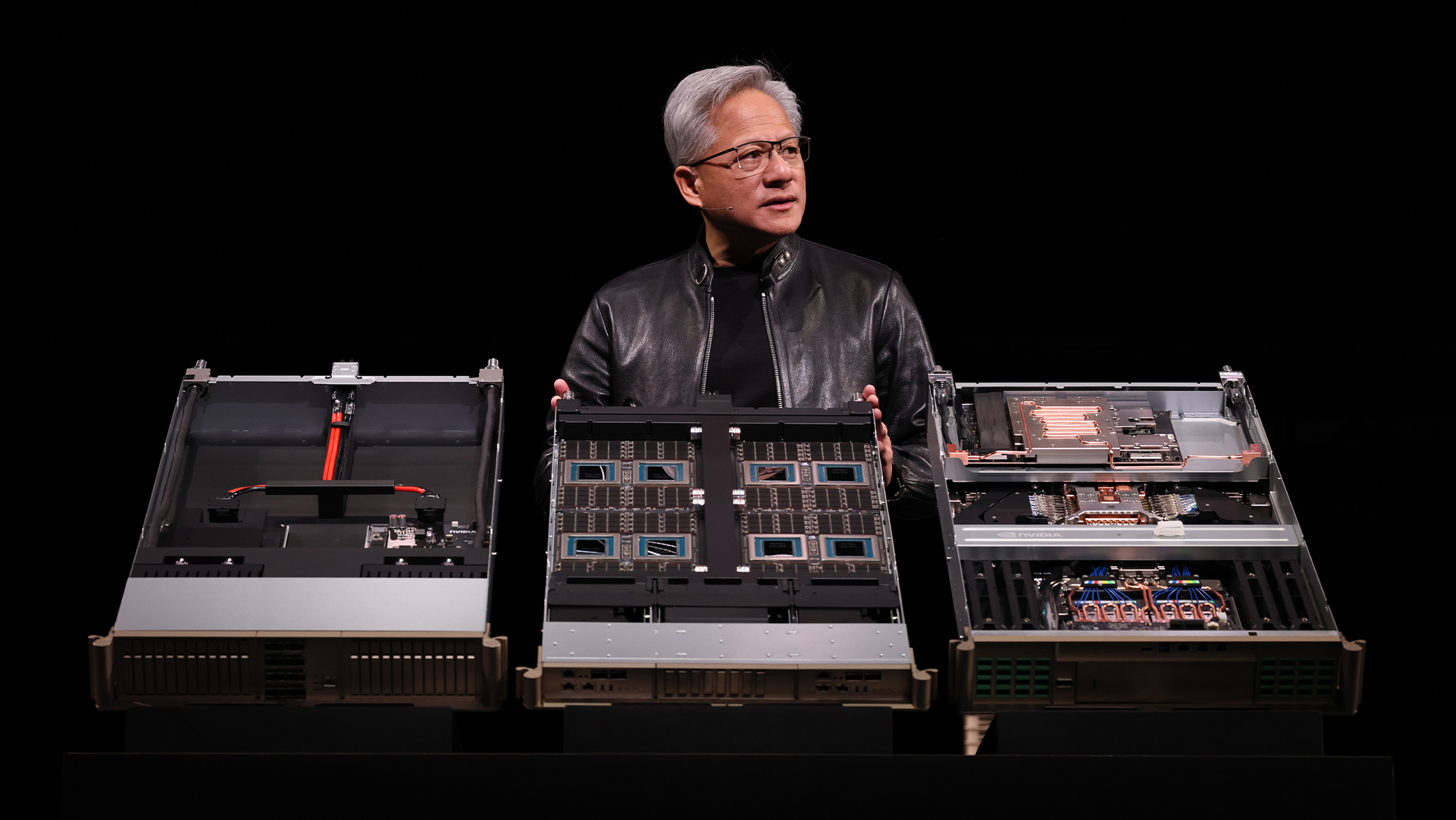
Jensen Huang just promised $1 trillion in revenue and AI supercomputers in orbit. Buckle up—it's peak NVIDIA delusion.
Kubernetes schedulers always treated GPUs like exclusive real estate—one pod, one card. But partitioning flips the script, cramming lightweight AI models onto idle GPU slices for massive efficiency gains.
Ever wonder why AI hype skips the boring CPUs? Intel and Google just reminded everyone they're still essential. But in this GPU frenzy, is it too late?
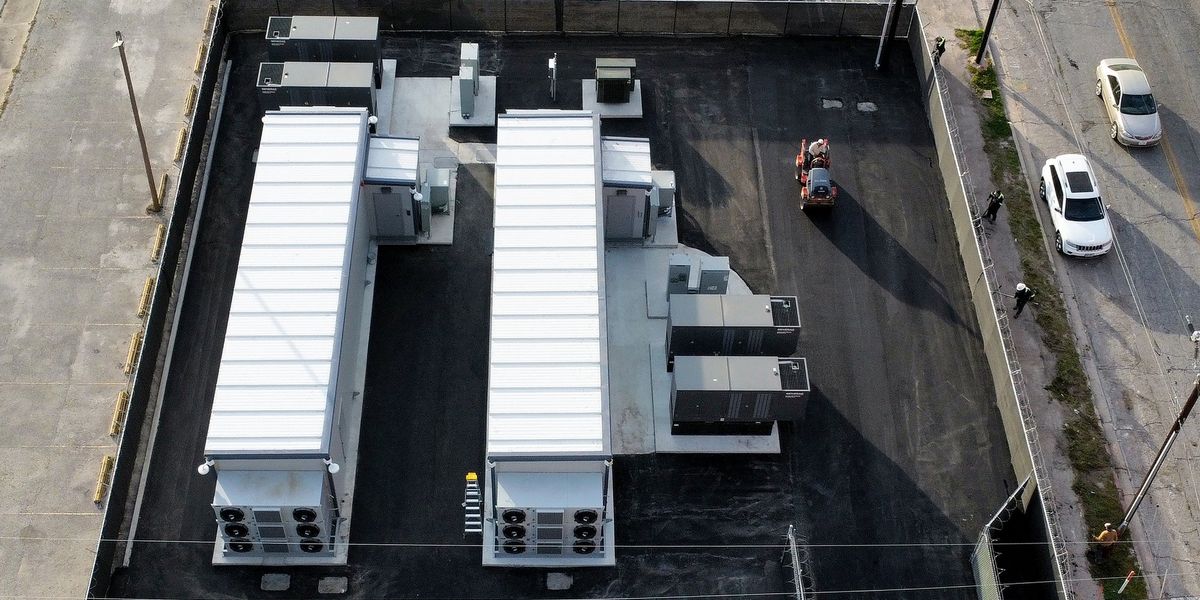
Forget years of permits and concrete shells. Companies are now trucking in fully loaded AI data centers, GPUs humming inside, ready to scale on a concrete pad.