The AI server order book is overflowing. A veritable tsunami of demand, and you’d think that’d translate into fat profits, right? Wrong. For the original design manufacturers (ODMs) assembling these behemoths, it’s become a classic case of more business, less bread.
Here’s the thing: high-end GPUs, the very heart of these AI machines, are eye-wateringly expensive. And then there’s memory. DRAM prices are through the roof, effectively doubling the cost of a single server build in some cases. These are not minor line items. They’re behemoths themselves, devouring budgets and, crucially, pushing up revenue without a commensurate bump in the meager manufacturing fees ODMs collect.
It’s a classic PR spin versus reality scenario. Companies are cheering their surging revenues, a convenient way to gloss over the fact that their profit margins are being systematically eviscerated. It’s like celebrating the massive volume of caviar you’re serving while the actual cost of sourcing the fish has quadrupled. Nobody mentions that part in the shareholder reports.
Why Are ODMs Feeling the Pinch?
The ODM’s role is, historically, to assemble. They take the high-powered components — the GPUs, the CPUs, the memory — and put them together. Their margin is built on that assembly service, a relatively low-value add in the grand scheme of AI hardware. When the cost of those high-value components balloons, it squeezes that slim margin to oblivion.
Think of it like a baker being asked to assemble a multi-million dollar wedding cake. They’re brilliant at the frosting and the fondant, but if the sugar costs triple overnight and the bride insists on edible gold leaf imported from Mars, their fixed price for “assembly” starts looking less like a business model and more like a charity.
“High-priced GPUs and soaring memory costs are pushing up revenue without lifting manufacturing fees at the same pace, leaving original design manufacturers with shrinking profit margins.”
This isn’t a new problem in tech manufacturing, mind you. We saw similar dynamics in the early days of smartphones and then again with cryptocurrency mining hardware. The suppliers of the critical, cutting-edge silicon always get their cut, and the assemblers are left to fight over the scraps. But in the AI era, the stakes are astronomically higher, and so are the component costs.
The Memory Monster
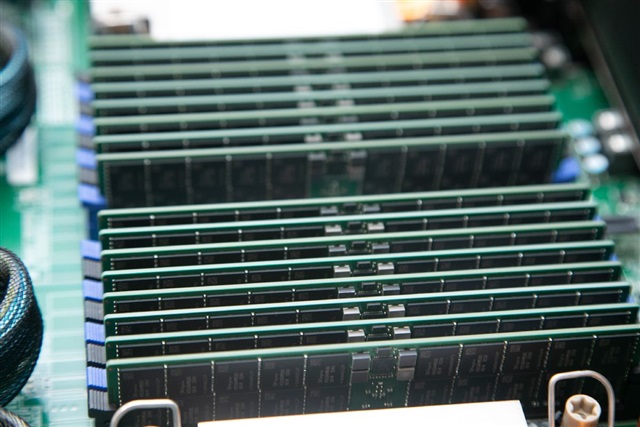
Let’s talk about memory specifically. The AI workloads we’re talking about — large language models, complex simulations, massive data training — demand enormous amounts of high-bandwidth memory (HBM). This isn’t your laptop’s DDR5. HBM is specialized, stacked, and incredibly expensive. The shortage and subsequent price hikes are directly impacting the profitability of every AI server built.
And who’s benefiting? The memory manufacturers, naturally. They’re riding a wave of unprecedented demand, a perfect storm of technological necessity and inflated pricing. Meanwhile, the ODMs are left holding the bag, or rather, the server chassis, with razor-thin profits.
Is This Sustainable?
In the short term, probably. Demand for AI servers is insatiable. Companies are willing to pay top dollar to get their hands on the hardware, and ODMs are getting orders, even if the profit per unit is dismal. But how long can this last?
If the trend continues, we could see a significant consolidation among ODMs. Only the largest, most efficient players with strong purchasing power will be able to weather the storm. Smaller firms might be forced to pivot, perhaps into specialized services or even exit the market entirely. It’s a stark reminder that growth isn’t always profitable, and chasing volume can be a fool’s errand.
The real question is whether this squeeze will stifle innovation. If ODMs can’t make a decent profit, will they invest in better manufacturing processes? Will they push for more efficient designs? Or will they simply pass the buck and hope the component costs come down? My money’s on the latter, which isn’t exactly a recipe for long-term industry health.
This isn’t just about numbers on a spreadsheet. It’s about the underlying economics of building the future. And right now, that future looks very expensive, with the folks putting it all together barely making ends meet.
🧬 Related Insights
- Read more: Siemens & TSMC: AI Ignites Chip Design [Full Breakdown]
- Read more: Micron’s $24B Memory Haul: AI Boom Prices Up 60%, But Architects Panic
Frequently Asked Questions
What are AI servers? AI servers are powerful computers specifically designed to handle the immense computational demands of artificial intelligence tasks, such as training machine learning models and running AI applications.
Why are memory costs so high for AI servers? AI requires large amounts of high-bandwidth memory (HBM) to process vast datasets quickly. Increased demand, coupled with manufacturing constraints and specialized technology, has driven up the price of HBM significantly.
Will AI server prices decrease soon? It’s unlikely in the immediate future. Continued high demand for AI hardware and the persistent high cost of components like GPUs and HBM suggest that prices will remain elevated for some time. However, increased production and potential technological advancements could lead to price adjustments later on.