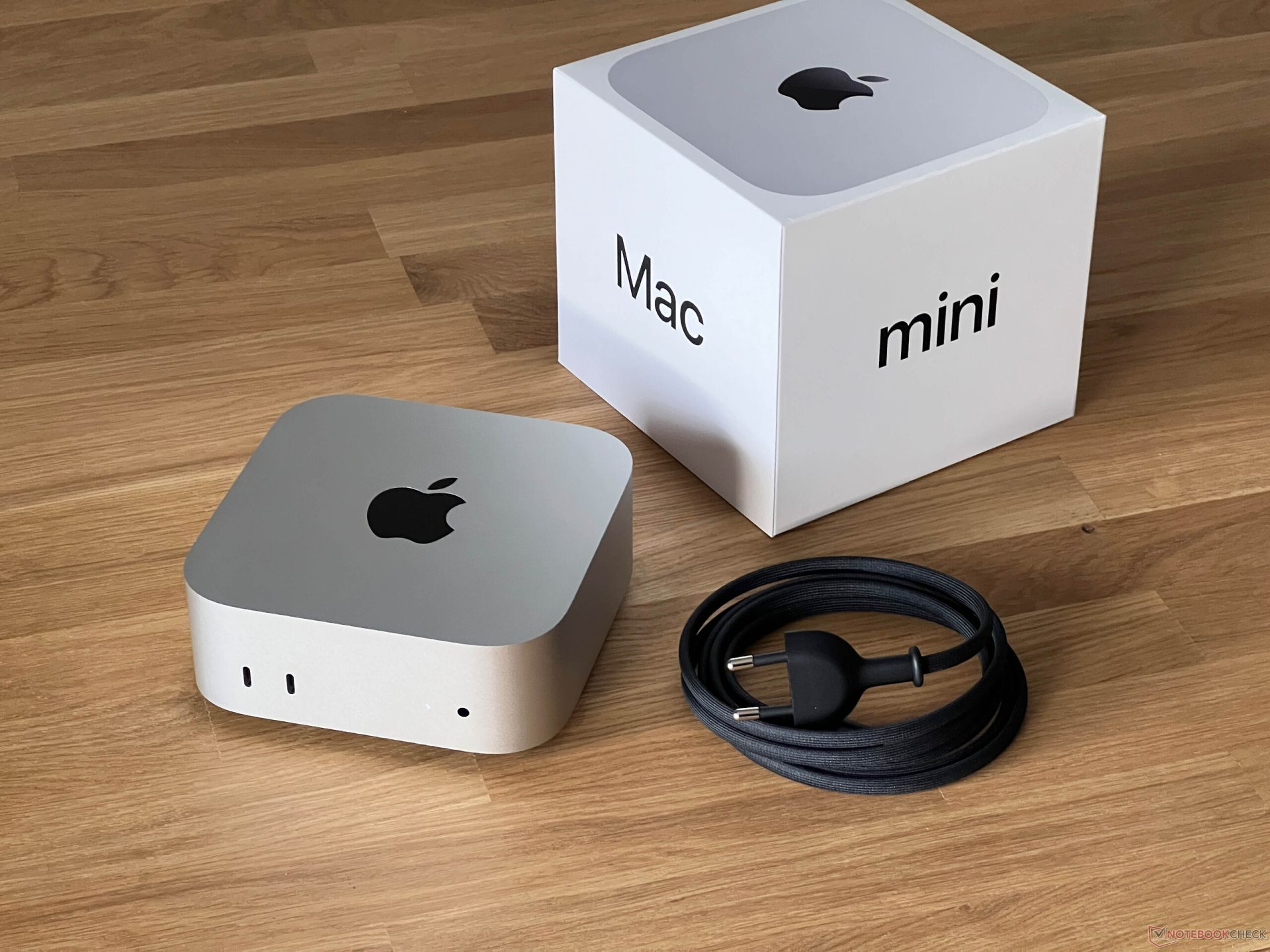
The hum of a powerful M4 chip, just audible beneath the quiet whir of cooling fans, is now a sound some Mac mini hopefuls will never experience. Apple, in a move that feels both swift and seismic, has seemingly discontinued the 256GB base model Mac mini globally, a stark illustration of the raw, often brutal, realities of our AI-driven hardware era.
This isn’t just about a popular desktop disappearing. It’s a flashing neon sign, pulsing with warnings about the infrastructure we’re building at breakneck speed. The base variant – that $599 gateway to Apple’s ecosystem with its M4 chip, 16GB of RAM, and a modest 256GB of storage – has vanished from configurators in the US and other key markets. They stopped taking orders last week; now, it’s a ghost.
Why the sudden purge? It’s a tangled knot, but the primary threads are clear: the insatiable appetite of advanced AI workloads and a global memory market doing its best impression of a runaway roller coaster.
The AI Engine Roars, Demanding More.
Apple itself admitted during its latest earnings call that supply for the Mac Studio and Mac mini will be constrained for months. This isn’t just happenstance. The company explicitly pointed to agentic AI as a major driver of demand. Think of it like this: AI models are becoming incredibly sophisticated, like tiny, hyper-efficient digital brains. They need powerful, dedicated hardware to run complex tasks, to process vast datasets, to learn and adapt. The Mac mini, with its unified memory architecture, has become an unlikely but potent player in these edge AI workloads. It’s a compact powerhouse, and suddenly, everyone wants one for their AI experiments, their creative studios, their research projects.
But here’s the kicker: Apple claims the constraints aren’t just memory. They’re also citing limited availability of advanced nodes at TSMC. These are the microscopic manufacturing lines where the most cutting-edge chips are etched. Imagine them as the most exclusive, most complex factories on the planet, capable of producing the most complex designs. Demand for these advanced nodes is so stratospheric right now – driven by AI, by next-gen smartphones, by everything that’s pushing the technological envelope – that even Apple, with its immense clout, is struggling to secure enough capacity.
The Memory Meltdown.
And then there’s the memory. Oh, the memory. Apple anticipates a “substantial” increase in memory costs in the June quarter, with Tim Cook himself noting, “beyond the June quarter, we believe memory costs will drive an increasing impact on our business, and we’ll continue to evaluate this.” This isn’t just a slight uptick; it’s a full-blown inflation event. Memory, the very stuff that allows our digital brains to think quickly and juggle tasks, is becoming prohibitively expensive. This is akin to trying to build a skyscraper but facing soaring costs for the steel and concrete – fundamental materials suddenly out of reach.
We’re seeing the ripple effects already. Those M3 Ultra Mac Studio devices with 512GB of storage? They’re fetching astronomical prices on the used market, sometimes as high as $25,000! This isn’t just a shortage; it’s a market distortion, a fever pitch driven by scarcity and overwhelming demand.
A Platform Shift in Progress.
What does this all mean for the future? For starters, the era of cheap, readily available base-model computing is under severe strain. AI isn’t just a new feature; it’s a fundamental platform shift. It’s changing how we interact with technology, what we expect from our devices, and how much we’re willing to pay for that intelligence. We’re moving from simply using tools to collaborating with intelligent agents.
The discontinuation of the 256GB Mac mini isn’t just a corporate decision; it’s a symptom of a much larger, more exciting, and frankly, slightly terrifying transformation. It signals that the bottlenecks aren’t just in software anymore. They’re etched into silicon, woven into the very fabric of our digital infrastructure. This is the price of progress in the age of artificial intelligence, and it’s a price that’s only going to climb.
We’re witnessing the birth pangs of a new computing paradigm, and sometimes, the first casualty is the entry-level option.
🧬 Related Insights
- Read more: France’s €544M Exascale Gamble: AMD’s Big Swing in Europe’s HPC Arms Race
- Read more: SNIA’s MRAM Alliance SIG: Ecosystem Push or Hype? [2026]
Frequently Asked Questions
What does the discontinuation of the 256GB Mac mini mean for consumers? It suggests that affordable entry points into Apple’s Mac ecosystem might become scarcer. Consumers looking for new Mac minis may need to opt for higher storage configurations or wait for potential future refreshes with updated pricing and availability.
Is this a sign that AI is too expensive to develop or deploy? Not necessarily. It indicates that the hardware infrastructure required to support widespread AI development and deployment is currently facing significant supply chain constraints and cost inflation, particularly for specialized components like advanced silicon nodes and memory.
Will other Apple products be affected by these supply chain issues? Apple has warned of extended supply constraints for both Mac Studio and Mac mini. While specific details for other product lines aren’t detailed in this context, the underlying issues of advanced node capacity and memory costs are industry-wide challenges that could impact various tech products.