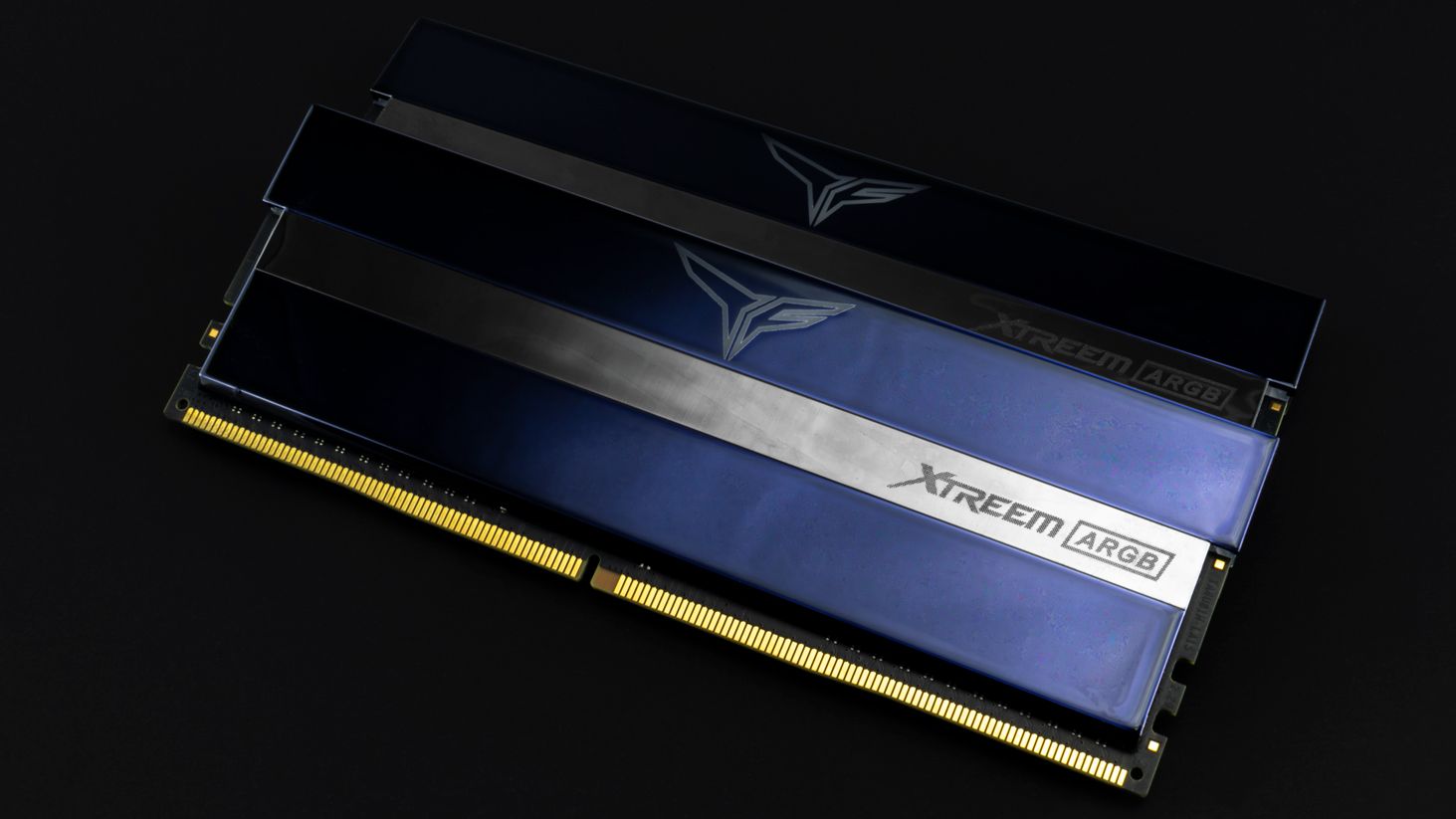
A cool $1.1 million. That’s the price Team Group is willing to pay to put a lid on a class-action lawsuit that accused the memory manufacturer of advertising unrealistic speeds for its DDR3, DDR4, and DDR5 RAM kits. This isn’t just a quiet fine; it’s a very public admission that something was amiss in how consumers understood what they were buying, at least in the eyes of the courts.
Here’s the thing: the core accusation, familiar to anyone who’s followed the PC hardware scene, is that Team Group’s advertised memory speeds weren’t achievable right out of the box. Nope. According to the plaintiffs, you needed to dive into your motherboard’s BIOS, fiddle with settings, and enable things like XMP or EXPO profiles. In short, you had to overclock, a process that the lawsuit claims wasn’t clearly communicated to the average buyer.
Is This a Pattern, Or Just Bad Luck?
This settlement echoes a very similar legal skirmish earlier this year with G.Skill, which ended in a $2.4 million payout for comparable allegations. What this suggests, rather starkly, is that the PC memory industry has a persistent problem with how it frames performance. On one hand, you have the absolute necessity of XMP/EXPO for hitting advertised speeds – it’s how enthusiast-grade memory actually functions at its stated potential. JEDEC standards, the baseline for memory compatibility, are often quite conservative, and companies pushing for higher frequencies inherently rely on these overclocking profiles.
But on the other hand, the average consumer browsing a retailer’s website or picking up a box in a store might not grasp that the gleaming “DDR5-7200” spec is essentially a promise of what could be, not what will be, without further user intervention. The lawsuit argues, and now a settlement implies, that this lack of clarity constitutes a deceptive practice. Team Group, for its part, maintains its products were “appropriately labeled and performed as represented,” a standard corporate defense that often crumbles when faced with significant financial settlements.
Who Gets a Piece of the Pie?
So, who benefits from this $1.1 million pot? The settlement is open to individuals in the United States who bought Team Group DDR3, DDR4, or DDR5 memory between May 3, 2020, and April 8, 2026. A key detail: it’s for individual consumers. Business purchases from entities like LLCs or corporations are excluded. However, if you, as an individual, bought it for personal use (even if you later used it for work), you’re likely in. The settlement fund isn’t being divided into fixed amounts; instead, it’ll be distributed based on the number of eligible Team Group DRAM products each person claims. You can claim up to five products per household without proof of purchase, but anything beyond that requires documentation. The deadline to file a claim is July 7, 2026. This whole process will unfold via the Claim Hub website.
Why Does This Matter for Consumers?
It’s easy for tech enthusiasts to scoff and say, “Of course, you need XMP!” We’re in the weeds. We understand the difference between JEDEC and overclocked profiles. But the reality of the market is far broader. This settlement, coupled with the G.Skill case, acts as a significant data point: manufacturers can’t just assume buyers understand the nuances of achieving advertised performance. Transparency here isn’t just good PR; it’s becoming a legal and financial imperative. The expectation is that consumers should get what they see on the tin, or at least be explicitly told what’s required to get there.
One crucial distinction between this settlement and the G.Skill agreement is the lack of mandated changes to packaging or labeling for Team Group. G.Skill, as part of its deal, was required to improve clarity. Team Group’s settlement is primarily a financial payout, which, while beneficial to affected consumers, doesn’t directly address the root cause of potential confusion for future buyers. This might be the analyst in me talking, but a payout alone feels like treating the symptom, not the disease. The industry still has a ways to go before advertised speeds truly mean speeds achieved without arcane knowledge.
“the lawsuit claims that consumers were led to believe that the advertised speeds on Team Group’s memory kits could be achieved out of the box without requiring BIOS tweaks or overclocking profiles.”
This saga highlights a recurring friction point in consumer electronics: the gap between technical specification and user experience. For memory, it’s about hitting those high speeds advertised on the box. For other components, it might be about ease of setup, software integration, or battery life claims. The pressure is on for manufacturers to be not just technically proficient, but also exceptionally clear in their communication, lest they find themselves writing bigger checks down the line.
🧬 Related Insights
- Read more: AMD Ryzen AI: Your Next PC Gets Smarter, Cheaper
- Read more: Abaco’s VP892 FPGA Supercharges Rugged Real-Time Compute
Frequently Asked Questions
What does the Team Group DRAM settlement cover? The settlement covers claims that Team Group falsely advertised the speeds of its DDR3, DDR4, and DDR5 memory products, leading consumers to believe these speeds were achievable without BIOS tweaks or overclocking.
Who is eligible to file a claim? Individuals in the United States who purchased Team Group DDR3, DDR4, or DDR5 memory products between May 3, 2020, and April 8, 2026. Business purchases are excluded, but individual purchases for business use may qualify.
How much money can I get from the settlement? The total settlement is $1.1 million, which will be divided among eligible claimants based on the number of eligible Team Group DRAM products purchased. Up to five products per household can be claimed without proof of purchase.