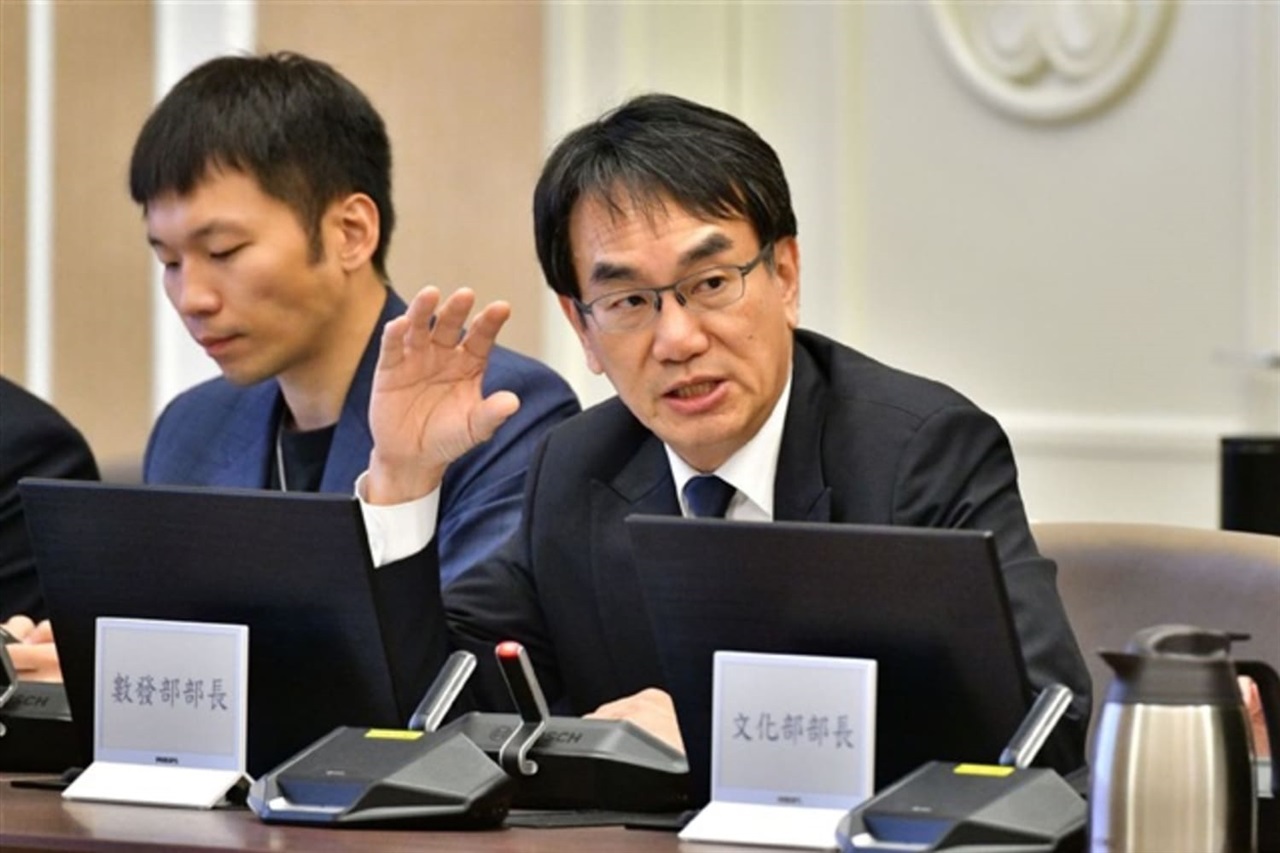
The sterile hum of fluorescent lights. A stack of proposals thicker than a holiday turkey. Then, a gavel. Taiwan’s cabinet, bless its bureaucratic heart, finally decided artificial intelligence was a thing worth regulating. On May 21st, they rubber-stamped three — count ‘em, three — sweeping policy initiatives. Risk, talent, education. A grand slam of government-speak, designed to signal… well, something.
It’s a rare moment of “whole-of-government alignment,” the press release breathlessly declared. Which, translated from Politicianese, means they all finally agreed not to trip over each other for five minutes. For an island nation perpetually navigating geopolitical tightropes and semiconductor supremacy, this sudden embrace of AI governance feels… late. Almost comically so.
More Than Just Buzzwords?
The package is meant to address three core areas. First, risk. Because clearly, the existing legal framework was just screaming for an AI-specific overlay. Expect more committees. More studies. Perhaps a strongly worded memo.
Then there’s talent. Ah, the perennial lament of the tech industry. Taiwan wants to certify AI professionals. Because nothing says cutting-edge innovation like a government-issued sticker of approval. Will this magically conjure up a legion of AI wizards, or will it just add another layer of hoops for actual engineers to jump through? My money’s on the latter.
And finally, education. This is where it gets truly fascinating. They’re talking about integrating AI into school curricula. From kindergarten through university. The idea is to foster a new generation of AI-savvy citizens. Which sounds noble. But let’s be honest, most of our current educational systems can barely teach kids how to add and subtract reliably. Throwing AI into that mix feels less like a plan and more like a wish.
The PR Blitz and the Reality Check
This whole endeavor reeks of a government trying to appear proactive. AI is the shiny new object, and nobody wants to be left behind. The danger here isn’t necessarily the policies themselves, but the spirit in which they’re implemented. Will this be a genuine attempt to build a responsible AI ecosystem, or just another exercise in bureaucratic theater?
Consider the potential for unintended consequences. When governments try to regulate fast-moving technology, they often create more problems than they solve. Think of the early days of the internet, or the endless debates around social media. Regulations designed to protect can often stifle innovation. And in the race for AI dominance, stifling innovation is a death sentence.
It’s easy to get excited by bold pronouncements and multi-pronged strategies. But the devil, as always, is in the details. And if Taiwan’s history with tech policy is any indicator, those details are going to be… complicated.
The measures span regulation, workforce certification, and school-level curricula, aiming to address the growing importance of AI in society and the economy.
This quote, from the initial announcement, is boilerplate. It says nothing. It promises everything. It’s the kind of language that makes you want to pour a very strong drink.
My unique insight? This isn’t about leading the AI charge; it’s about hedging bets. Taiwan knows it can’t out-innovate the US or China on the bleeding edge of foundational AI research. So, it’s trying to build a strong supporting structure: a regulated environment, a certified workforce, an educated populace. It’s the sensible, albeit less glamorous, strategy. But sensible doesn’t always win the PR war.
Is This Just Taiwan Playing Catch-Up?
Ultimately, these moves signal a much-needed shift. Taiwan, a powerhouse in hardware, is finally acknowledging the software and societal implications of AI. But the urgency feels manufactured. The world’s AI race is already at full throttle. Taiwan’s three-pronged approach, while well-intentioned, might be more akin to a skilled mechanic preparing a pit crew while the race has already entered its final lap.
🧬 Related Insights
- Read more: 75% Ignorant of CMMC Deadline: Big Risk Ahead
- Read more: TSMC’s $165B Arizona Bet: From Cold Call to Chip Giant
Frequently Asked Questions
What does Taiwan’s new AI policy aim to do? Taiwan’s new AI policy initiatives are designed to regulate AI risks, establish workforce certification standards for AI professionals, and integrate AI education into school curricula.
Will these policies help Taiwan compete in the global AI race? While the policies aim to build a strong supporting ecosystem for AI, their effectiveness in directly boosting Taiwan’s competitiveness in cutting-edge AI research remains to be seen. Their success will depend heavily on implementation.