So, what does this mean for your average Joe? Probably not much, directly. Unless you’re in the business of illicitly rerouting high-end AI silicon, that is. For the rest of us, it’s just more background noise in the endless tech skirmish between the US and China.
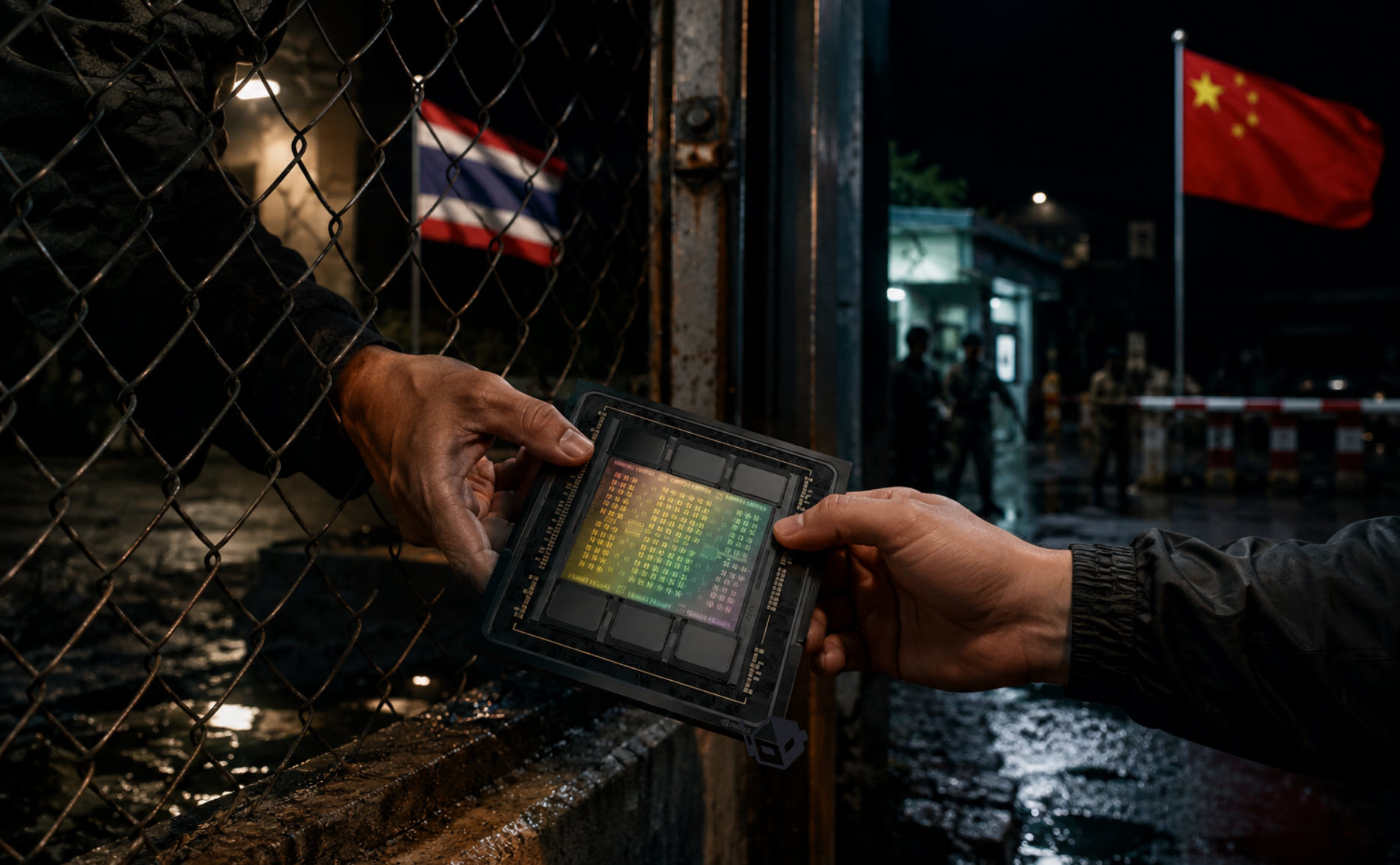
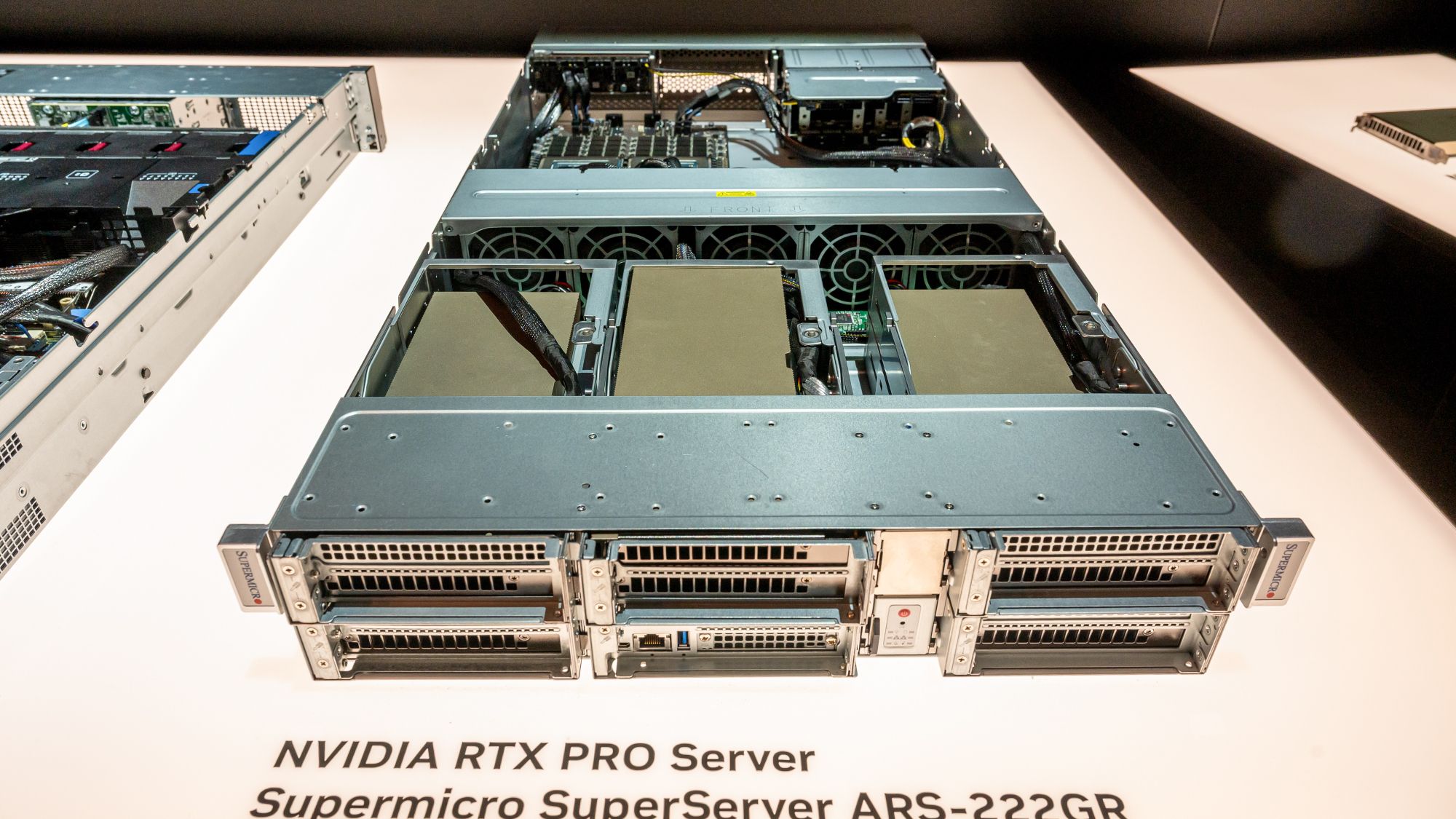
But here’s the dirty truth: this isn’t about breaking news; it’s about a predictable outcome. The AI chip race is so feverish, so absolutely bonkers, that people are going to try anything to get their hands on the good stuff, or to send it where it’s not supposed to go. Taiwan’s Keelung District Office snagged three suspects and a gaggle of Super Micro servers. Falsified documents. Japan as a detour. Hong Kong as the alleged final stop. It’s practically a B-movie plot, except the stakes are astronomically high.
Japan: The Unexpected Detour
This is the first big splash Taiwan’s made in the US’s anti-smuggling campaign. And the route? Through Japan. Of all places. Japan, America’s steadfast ally in the Pacific. Known for its meticulous customs. It’s like using the Vatican to smuggle contraband. Why? Because the usual Southeast Asian haunts are getting wise, thanks to crackdowns. So, you get creative. Apparently, that creativity involves an island nation that’s supposed to be a firewall.
Look, some Chinese AI firms are legally renting Nvidia chips in Japan. Washington allows it. But this operation allegedly bypassed all that, using those servers to move hardware that’s definitely not supposed to be going where it was headed. Japanese officials? Radio silence. Crickets. Makes you wonder.
While the arrested individuals were illegally dealing Supermicro servers powered by Nvidia chips, the Taiwanese authorities have refrained from accusing both companies of breaking U.S. export control laws.
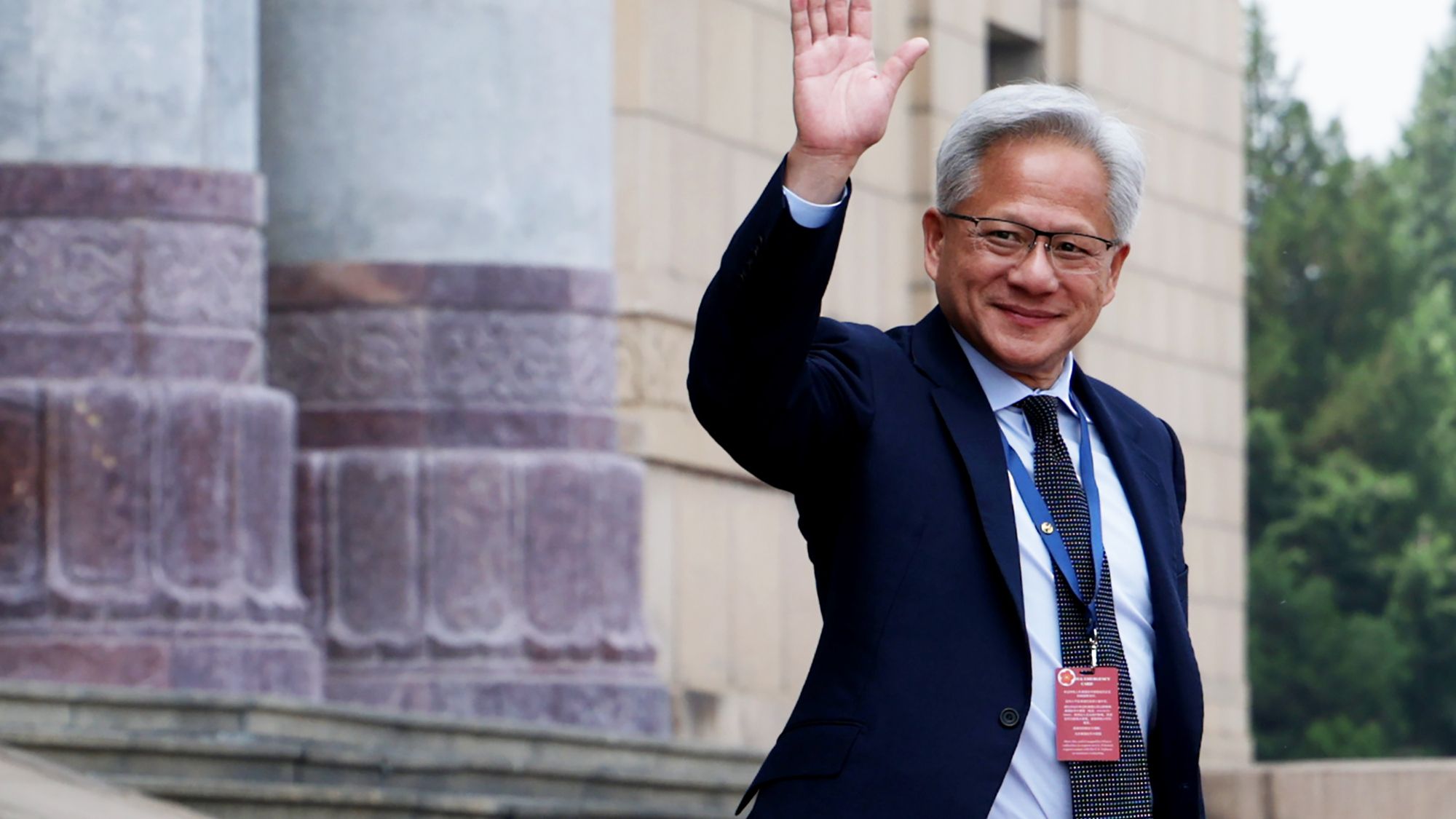
Nvidia’s CEO, Jensen Huang, is all about passing the buck. “Ultimately Super Micro has to run their own company,” he said. Fair enough, I guess. Nvidia’s “explaining the rules.” And hoping its partners, you know, follow them. It’s a classic tech giant deflection: we’re not responsible for what our massive, sprawling network of third parties actually does.
Who’s Really in Control?
This whole charade highlights a fundamental problem in the global tech supply chain. The demand for cutting-edge AI chips is so insatiable that black markets are inevitable. Governments can slap sanctions, set export controls, and issue stern warnings, but if the profit motive is strong enough, ingenuity — or sheer criminality — will find a way. It’s a cat-and-mouse game, and right now, the mice seem to be quite resourceful, even if their methods are increasingly bizarre.
And the chips themselves? It’s unclear exactly which ones were being smuggled. The H200s are cleared for China, but customs there are apparently under orders to block them anyway. Then there are the gaming GPUs, RTX 5090D V2s, also apparently on the no-fly list. It’s a tangled mess of regulations, loopholes, and outright defiance. The more restrictions you put on powerful tech, the more creative — and dangerous — the methods to circumvent them become.
Is this a sign of a more significant shift in smuggling tactics? Or just a temporary workaround? Given the geopolitical stakes, expect more of these elaborate schemes. We’ve seen enough to know that the pursuit of AI dominance is a powerful motivator, and it’s willing to go to some pretty strange lengths.
Why Does This Matter for Real People?
Because these chips are the engine of the AI revolution. Whether it’s chatbots, self-driving cars, or advanced scientific research, they’re involved. When these chips are illegally diverted, it fuels a system that bypasses legitimate trade, potentially arming adversaries or disrupting fair competition. For consumers, it means potentially less access to the latest AI advancements, or higher prices due to artificial scarcity and increased security costs for companies.
It’s also a stark reminder that technology’s most advanced frontiers are often battlegrounds. The digital silk road is as fraught with peril and intrigue as its ancient predecessor. And while we might not be on the ground in Keelung, the ripples of these seizures and investigations will eventually reach everyone.
🧬 Related Insights
- Read more: AMD Ryzen PRO 9000: X3D for Workstations? [Analysis]
- Read more: Samsung’s S27 Display Gamble: BOE Partnership Sparks Quality Fears [Analysis]
Frequently Asked Questions
What exactly was smuggled?
Authorities seized Super Micro servers believed to be powered by Nvidia chips. The specific models weren’t detailed, but the operation was allegedly circumventing U.S. export controls on advanced AI hardware.
Did Nvidia or Super Micro know about this?
Taiwanese authorities stated they refrained from accusing Nvidia or Super Micro of breaking U.S. export control laws. Nvidia’s CEO indicated the company educates its partners on regulations and hopes they improve compliance.
Will this affect the price of AI chips?
Illicit activities like smuggling can disrupt supply chains and create artificial scarcity, potentially leading to increased prices or limited availability of certain AI chips.