AI is everything now.
Look, for a while there, AI felt like a shiny new toy, something the big players tinkered with in their Silicon Valley labs. But the truth, the real truth, is that AI isn’t just another software feature; it’s a foundational platform shift. Think of it like the internet arriving, or the advent of electricity. It’s a fundamental reordering of how we build, create, and interact with technology. And right now, AMD is making a significant play to ensure its place at the heart of this new digital cosmos, finally pushing FSR 4 out to the masses.
FSR 4 is More Than Just Pretty Pixels
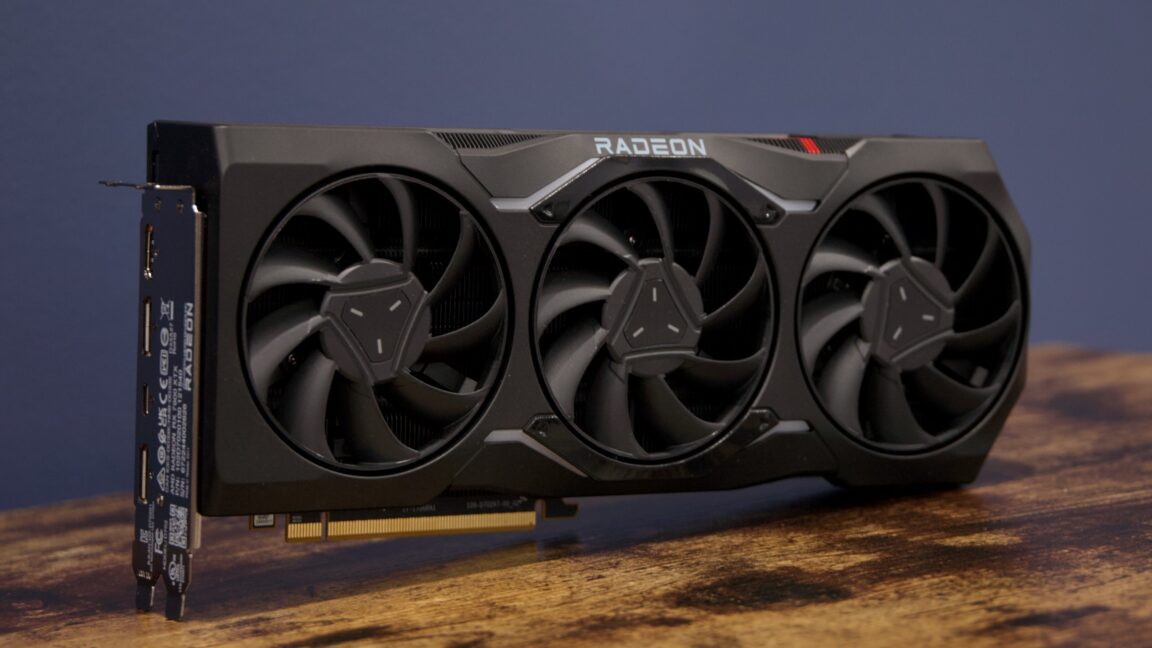
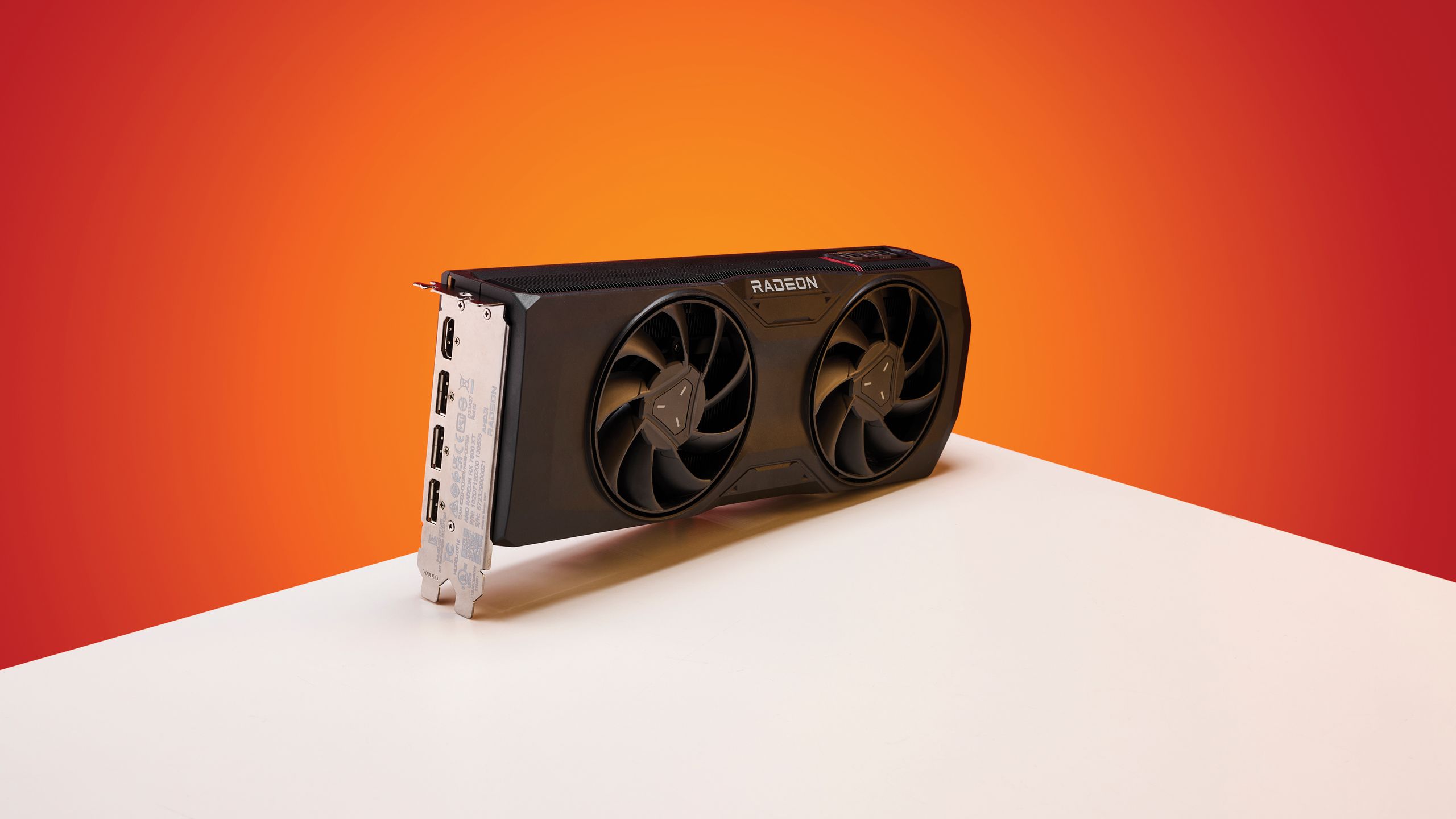
For months, if you owned an AMD Radeon RX 9000-series card, you were living the dream, basking in the glow of FSR 4’s upscaling magic. But for those of us rocking the still-perfectly-capable RX 7000 and RX 6000 series – the RDNA 3 and RDNA 2 architectures respectively – it felt like being left on the digital curb. Community grumbling, though perhaps muted in the official channels, was palpable. And today, AMD VP Jack Huynh finally threw us a lifeline: FSR 4.1 is hitting RDNA 3 cards in July, and RDNA 2 cards are slated for an “early 2027” arrival. Early 2027! That feels a little glacial for what’s essentially a software enhancement, but hey, it’s coming.
So, what’s the big deal with FSR 4? It’s not just about making games look a little sharper. This is about pushing the boundaries of what’s possible with real-time rendering, leveraging AI to intelligently upscale lower-resolution frames into something stunningly high-fidelity. It’s like having a microscopic artist inside your GPU, meticulously painting in details you never thought possible at those performance levels. The performance penalty, as early community testing suggests, hovers around 10-20% on older cards compared to FSR 3, which is a trade-off many will gladly make for the visual uplift.
Open Source: The Path to AI Dominance?
Here’s where things get really interesting. AMD’s GPU division is laser-focused on closing the gap with Nvidia, not just in gaming, but in the explosively lucrative AI accelerator market. And what’s the secret sauce for widespread AI adoption? Open source. The company has hinted at making FSR 4 open-source, a move that would frankly be brilliant. Imagine developers from all corners, not just AMD’s own engineers, tinkering, optimizing, and innovating on this tech. It’s like handing out the blueprints to the best engine in town and watching thousands of mechanics build even better versions.
The recent SDK update hints at frame generation multipliers of 4-6x, aiming for feature parity with Nvidia’s DLSS Frame Generation. This isn’t just about catching up; it’s about leapfrogging. By making FSR 4 officially available to owners of older Radeons, AMD is not only appeasing its loyal customer base but also extending the practical lifespan of these cards. It’s a smart move, a win-win that bolsters their ecosystem and keeps gamers happy.
Community Power Unleashed
It’s fascinating to note how much of this was already happening, unofficially. Tools like OptiScaler allowed technically minded folks to tap into FSR 4’s power months ago, using leaked INT8 versions of the AI model. AMD initially seemed to pigeonhole FSR 4 to RDNA 4’s specific FP8 hardware, but the community’s ingenuity, fueled by a source code leak back in August 2025, forced their hand. This unofficial adoption wasn’t just a workaround; it was a demand signal. And AMD, recognizing the power of community-driven innovation, has now answered.
The official release will feature FSR 4.1, a refined version promising less blurring, better detail retention, and significantly improved temporal stability. This is what we call progress – iterative, impactful, and driven by both corporate ambition and user desire.
My unique insight here? This is less about AMD catching up in gaming and more about them building a battle-ready AI platform. By democratizing FSR 4, they’re cultivating an AI-powered GPU ecosystem that will ultimately compete head-on with Nvidia’s CUDA dominance. They’re not just selling chips; they’re selling access to a new era of intelligence, and older cards are the first wave of their evangelists.
Why Does This Matter for Gamers?
For the average gamer, this means longer-lasting hardware and better-looking games. It’s a tangible benefit that translates directly to your wallet and your enjoyment. You won’t have to rush out and buy the absolute latest bleeding-edge hardware just to experience smoother frame rates and sharper visuals. Your trusty RX 6000 or 7000 series card is getting a substantial upgrade, a new lease on digital life.
🧬 Related Insights
- Read more: SK hynix’s Ethics Double: From Korean Trailblazer to Global Standard-Setter
- Read more: [2026 Forecast] Taiwan’s AI Cooling Boom Accelerates
Frequently Asked Questions
What exactly is FSR 4? FSR 4 is AMD’s fourth-generation FidelityFX Super Resolution technology, an AI-powered spatial upscaling solution designed to boost frame rates and improve visual quality in games by intelligently rendering frames at a lower resolution and then upscaling them to your display’s native resolution.
Will FSR 4 improve my game performance? Yes, FSR 4 is designed to significantly improve game performance by allowing games to run at lower internal resolutions while AI intelligently reconstructs them to higher quality, providing smoother frame rates and a better gaming experience.
When can I expect FSR 4 on my RX 6000 series card? AMD has announced that FSR 4.1 will be available for RDNA 2 cards (like the RX 6000 series) in early 2027. RDNA 3 cards (RX 7000 series) will receive it in July.