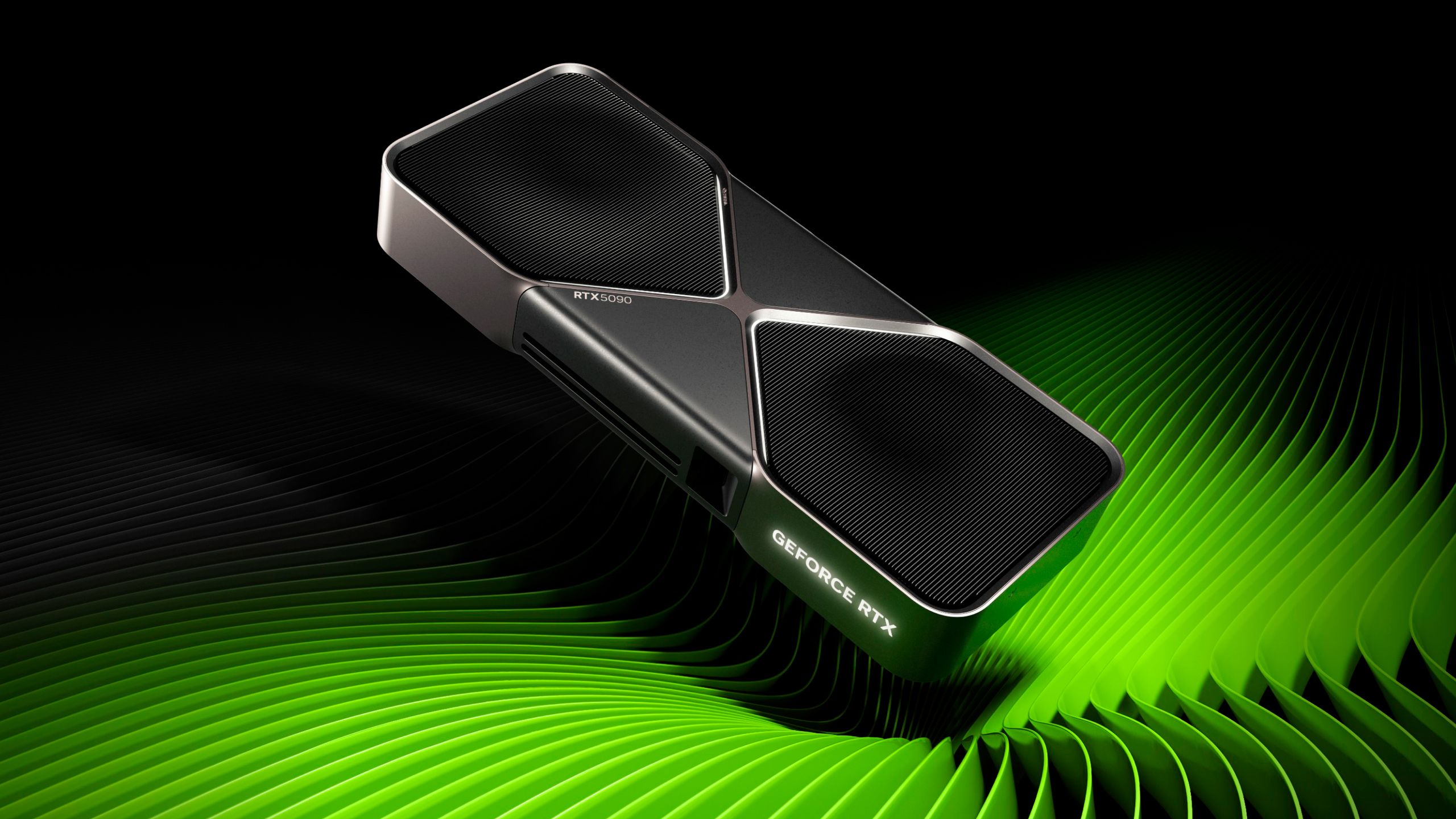
So, you want to get your hands on an RTX 5090? Great! Because right now, it’s less about what it costs and more about how you can even find one. And if you’re eyeing that shiny beast for AI model training or some other super-charged compute task, your options are… creative. Forget the sleek, pristine boxes you’re used to seeing. What if I told you that you could potentially snag one for around $1,700, but with a catch so big it’s practically a black hole?
That’s the audacious play French retailer LDLC is making: selling RTX 5090s that are, in their words, decidedly broken. Not slightly dinged, not a bit dusty. These are GPUs damaged during transit, with impact-related injuries like snapped PCBs and deformations. And the kicker? No returns, no warranty, no hand-holding whatsoever. You’re buying a lottery ticket, albeit one that comes with all the physical components you’d expect on a high-end graphics card.
Is This a Glimmer of Hope for AI Hardware?
This isn’t just some clearance bin oddity; it’s a fascinating data point in the ongoing saga of AI hardware accessibility. We’re talking about the absolute pinnacle of consumer GPU power, the kind that makes complex computations sing. Normally, these cost an arm and a leg, often topping $3,500. But the market, in its chaotic wisdom, has thrown these wounded warriors onto the shelves. LDLC isn’t marketing these to your average gamer looking for a graphical upgrade; their target is the professional, the engineer, the mad scientist of machine learning who might just have the skills to resurrect these digital corpses.
They’re touting them as “out of service” parts, specifically for those who can “either repair them or extract components for recycling.” Think of it like this: you’re buying a Ferrari that’s been through a mild fender-bender, but the engine is still technically there. For someone with a deep understanding of GPU architecture and access to specialized tools, this could be less of a gamble and more of a calculated, high-stakes investment. Imagine snapping up a card with some bent pins or a cracked trace – a problem that a skilled technician could potentially solve for a fraction of the cost of a new unit.
The store has put up two separate pages for these non-functioning RTX 5090s. The first listing is more generic; it just says “[DEFECTIVE] NVIDIA GeForce RTX 5090” with a list price of 1,499.95 Euros, or about $1,760. You’ll get different variants depending on the inventory.
The implications here are actually quite profound, especially when you consider the insatiable appetite for AI compute. This whole situation paints a picture of how even “broken” high-end hardware can hold immense value in niche markets. It’s a stark reminder that in the world of bleeding-edge technology, especially for AI development, the lines between functional, repairable, and recyclable are blurrier than ever. This isn’t just about getting a deal; it’s about a new kind of hardware economy emerging from the ashes of logistical failures.
This whole phenomenon reminds me of the early days of personal computing, where hobbyists would salvage parts from discarded mainframes to build their own machines. The spirit of ingenuity is alive and well, just on a much grander, more powerful scale. We’re seeing the emergence of a secondary market for damaged elite hardware. And that’s wild.
Why Does This Matter for AI Development?
For those of us who watch the AI landscape unfold — and boy, is it unfolding at light speed — the availability of any kind of RTX 5090, even a damaged one, is worth a raised eyebrow. The sheer computational grunt these GPUs offer is the fuel for much of the AI innovation we’re seeing. When a major player like LDLC, a popular PC hardware vendor, is willing to sell defective flagship cards, it signals a fascinating shift. It suggests that the demand is so high, and the value of the components so significant, that even salvaged parts are becoming a viable, albeit risky, commodity.
This could be a harbinger of more creative solutions to hardware scarcity. If professionals can reliably fix or extract valuable components from damaged cards, it might alleviate some pressure on new inventory. It’s a bit like the used car market, but for silicon. You’re buying a vehicle with a known issue, but the underlying engine and chassis might be worth the risk if you know what you’re doing.
Think about the future. Will we see specialized repair shops emerge, advertising their ability to fix “transit-damaged” GPUs? Will companies start offering repair kits or component packs for these high-end cards? It’s a fascinating thought experiment, and this sale by LDLC is a real-world experiment playing out right now. It’s a high-stakes game of silicon surgery, and the rewards could be substantial for those with the nerve and the know-how.
And let’s be honest, the corporate PR spin around these things is usually about how ‘strong’ and ‘flawless’ their products are. But here, LDLC is being remarkably upfront: it’s broken, it’s damaged, good luck. That honesty, while terrifying for the average consumer, is exactly what a niche professional audience craves. They want the raw facts, not the marketing fluff.
The Risk vs. Reward Calculation
So, who’s buying this? It’s not the casual gamer. It’s not someone who frets over a scratch on their phone screen. This is for the hardcore hardware tinkerer, the AI researcher on a budget, the small-scale AI startup founder looking for any edge. They’re looking at that $1,760 price tag and comparing it to the $3,500+ for a working unit. The difference? That’s a lot of potential profit margin, or a lot of saved capital that can be reinvested elsewhere.
The original article mentions that these cards include all components on the PCB. That’s a crucial detail. It means the core silicon, the memory chips – the really expensive bits – are still there. Even if the PCB itself is shattered, a skilled individual might be able to transplant those components onto a new board, effectively rebuilding the card. It’s a Frankenstein’s monster of computing, but one that could perform like a champion.
The sheer existence of these sales, and the fact that they are being actively marketed as “defective” but component-rich, signals a maturation in how we view and utilize high-end hardware. It’s a more pragmatic, less precious approach. In the relentless pursuit of AI advancement, function, even resurrected function, often trumps pristine condition.
**
🧬 Related Insights
- Read more: What to Watch This Week: The Next Moves in Modularity, AI Specialization, and Foundry Competition
- Read more: Amazon’s Secret $50B Chip Beast: Poised to Eclipse Intel?
Frequently Asked Questions**
What does LDLC mean by ‘DEFECTIVE’? LDLC is stating that these RTX 5090 GPUs do not function due to damage sustained during shipping. This includes issues like broken or deformed PCBs, meaning they are not in working order.
Can I buy one of these broken RTX 5090s if I’m not a professional? While there’s no explicit restriction mentioned, these cards are sold with no warranty, no returns, and are intended for repair or component extraction. Purchasing one without the necessary technical expertise or resources would be highly risky and likely result in a non-functional paperweight.
How much could I potentially save by buying a broken RTX 5090? The listings are for approximately half the price of a new RTX 5090, with prices starting around $1,760 for a generic defective model. This represents a significant potential saving if repairs are successful, but carries the substantial risk of the GPU remaining non-functional.