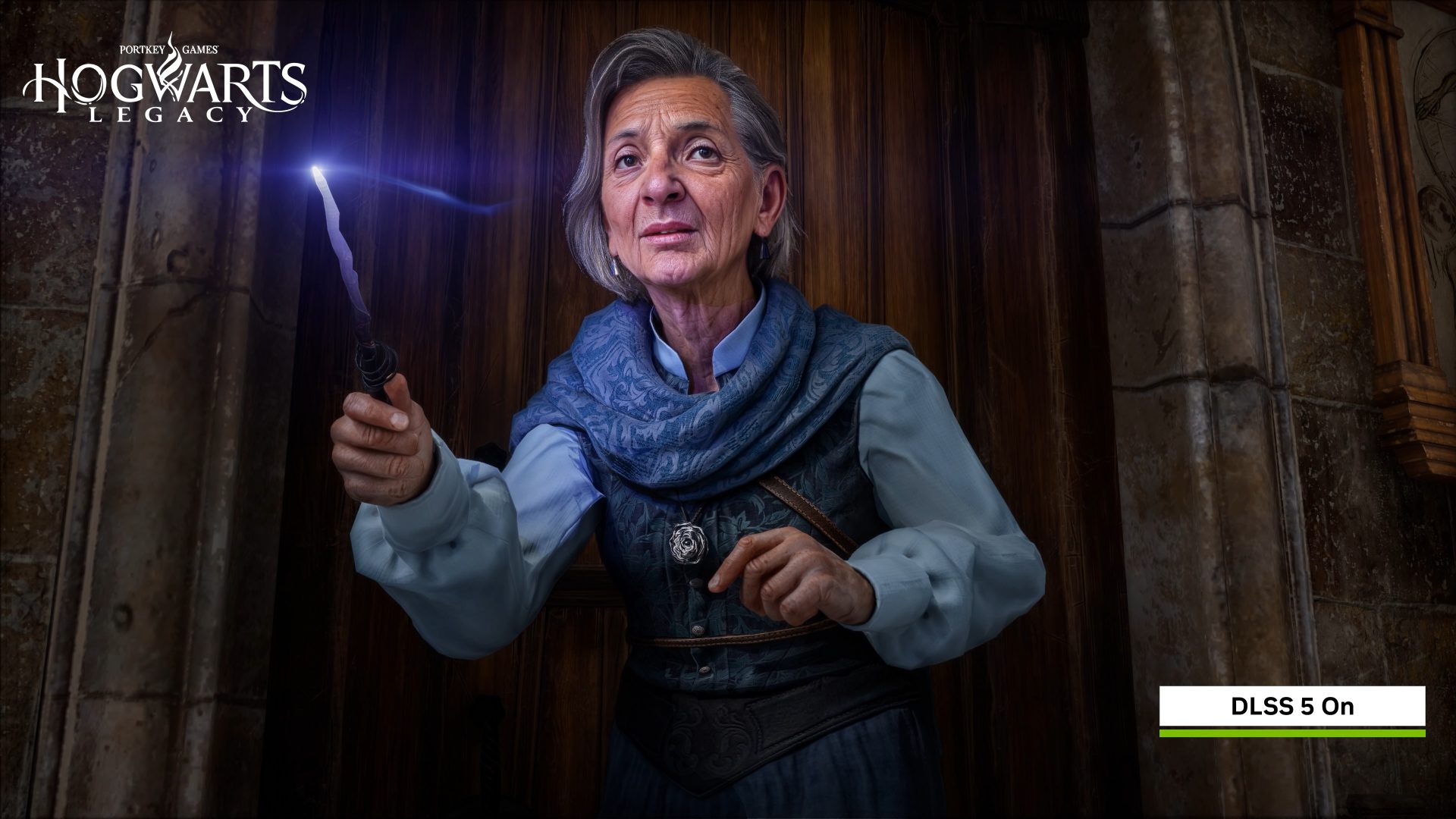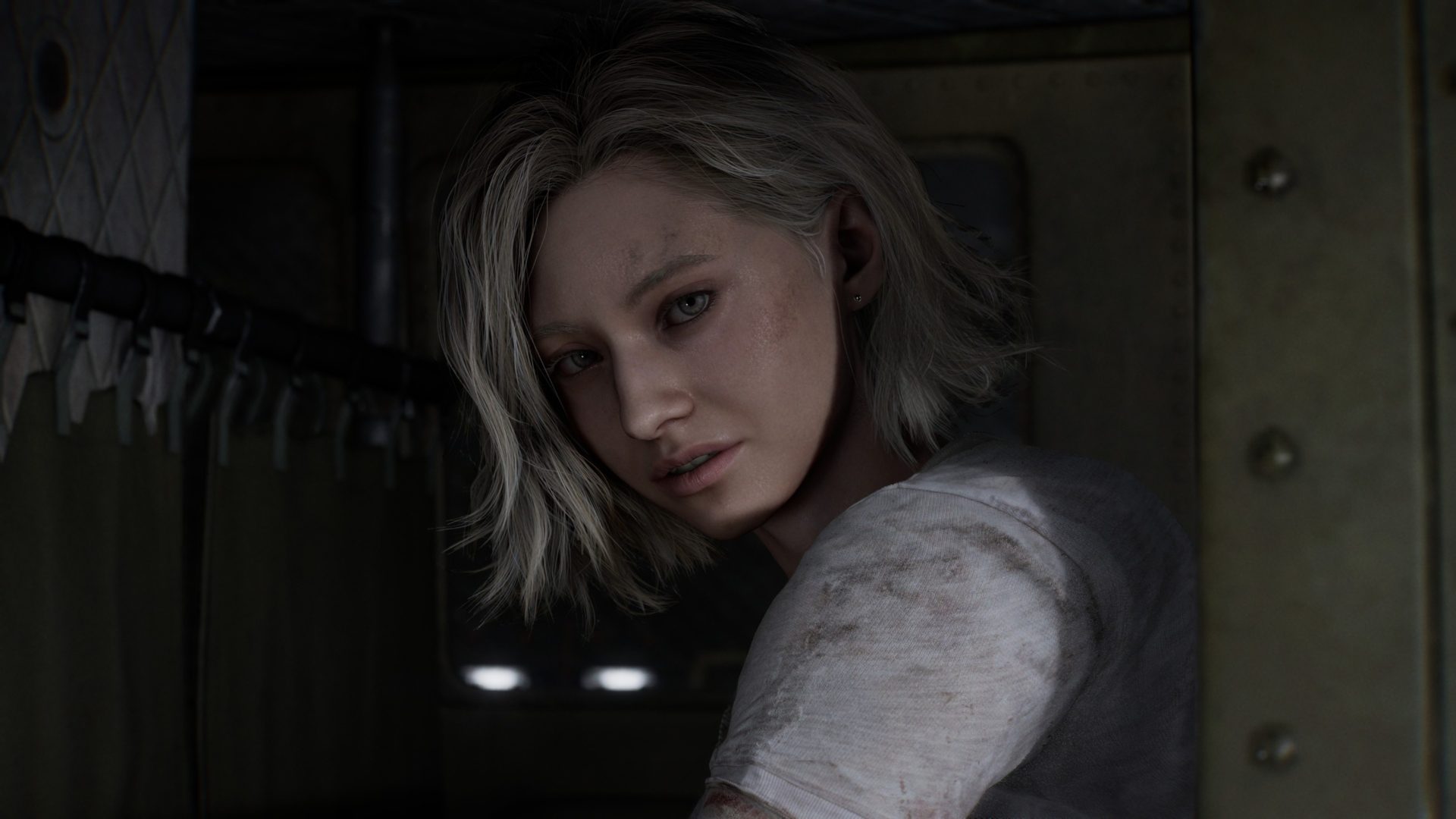
Look, we all expected a bit of magic from NVIDIA. DLSS 5, supposedly the next leap in graphical wizardry, was supposed to make everything sharper, smoother, and, dare I say, better. Instead, the first big showcase hit the gaming world like a lead balloon, specifically when it landed on Capcom’s upcoming Resident Evil installment. The buzz wasn’t about jaw-dropping visuals; it was about a character named Grace, whose digital facelift, courtesy of DLSS 5, had legions of fans up in arms. This isn’t just a minor tweak; it’s a whole new face, and not necessarily one people asked for. So, yeah, things have changed. And not in the way the marketing department probably dreamed.
Resident Evil Requiem’s producer, Masato Kumazawa, was cornered by Eurogamer and, predictably, punted the hot potato. When asked about the DLSS 5 showcase and its rather… enthusiastic alterations to Grace’s appearance, Kumazawa-san offered more polite deflection than a developer’s confession. He didn’t exactly deny it, but he certainly didn’t embrace it either, instead pivoting to the positive reception of the original design. It’s a classic corporate maneuver: sidestep the direct question about the tech’s problematic output and praise the existing artistic intent that the tech apparently butchered. Clever, in a soul-crushing sort of way.
What’s fascinating here isn’t just the controversy itself, but the context it provides for how these AI-powered enhancements are being integrated – or perhaps, misintegrated. For twenty years, I’ve watched Silicon Valley chase the next big thing, promising utopia while often delivering slightly shinier versions of the same old problems. DLSS 5, for all its supposed AI smarts, seems to have stumbled headfirst into the uncanny valley, particularly when the target is an established artistic vision.
Who’s Actually Paying for This? And For What?
Let’s cut through the techno-babble. NVIDIA wants to sell more GPUs. Game developers, bless their perpetually underfunded hearts, want to make their games look amazing with less strain on their own resources. The end user? They want better graphics, of course, but they also don’t want their favorite characters suddenly looking like they were rendered by a junior intern who just discovered a slider bar. Kumazawa-san’s quote, however, hints at a more nuanced reality for developers wrestling with these tools.
The fact a lot of players commented they really liked the original design of Grace and didn’t want to see it changed was a positive. It meant we got the design right and points to the fact that Grace quickly established herself as a fan favorite, that people had such strong opinions on her design.
This isn’t just about Grace. It’s a broader commentary on the delicate balance between technological advancement and artistic integrity. When the tech itself becomes a subject of such intense debate, it stops being a passive enhancement and starts being an active participant in the creative process. And, as we’ve seen, sometimes it’s not a very good participant.
So, About Those Aging Characters…
The Resident Evil team also used the opportunity to push back against the relentless pressure to constantly refresh their cast. Game Director Koshi Nakanishi made it clear they aren’t beholden to a youth-obsessed narrative. Apparently, Leon Kennedy, a character who’s been around longer than some of my reporting gigs, can still pull it off, even if he’s pushing 70 in a future installment. This is refreshing. It suggests a mature understanding of character longevity and fan attachment, something the DLSS 5 debacle seems to have momentarily forgotten.
It’s a stark contrast. On one hand, you have a developer like Capcom, seemingly respecting established character designs and fan sentiment. On the other, you have a tech showcase that appears to disregard it, at least initially. The Resident Evil folks aren’t saying DLSS 5 is bad, but they are implicitly saying that artistic control and fan reception matter more than just slapping on the latest graphical filter.
Even Daniel Vávra, the director of Kingdom Come: Deliverance, weighed in, defending DLSS 5 by stating it’s not “AI Slop” and that developers can fine-tune it. That’s the key, isn’t it? Fine-tune. It’s not a magic bullet; it’s a tool. And like any powerful tool, it can be used to build something beautiful or create a digital monstrosity. The Resident Evil situation? It looks a lot like someone handed the tool to a toddler.
NVIDIA DLSS 5’s mixed reception, leaning heavily towards the negative based on this particular showcase, highlights a growing tension in game development. Can AI truly enhance artistic vision without overwriting it? The answer, based on Grace’s controversial makeover, is still very much up for debate. And while producers might dodge the questions, the players are definitely talking. That’s the real power, isn’t it? The noise from the audience, a constant reminder that technology serves the art, and not the other way around. At least, that’s how it should work.
🧬 Related Insights
- Read more: SiFive’s $400M RISC-V Gamble: CPUs for AI Agents or Just More Hype?
- Read more: Agentic AI Unlocks Chip Design’s Hidden Magic
Frequently Asked Questions
What does NVIDIA DLSS 5 do?
NVIDIA DLSS (Deep Learning Super Sampling) is a technology that uses AI to upscale lower-resolution images to higher resolutions, aiming to improve performance and visual quality in video games. DLSS 5 is the latest iteration, expected to offer further enhancements.
Why was the Resident Evil Grace design controversial?
The initial showcase of Resident Evil Requiem with NVIDIA DLSS 5 significantly altered the character design of Grace, leading to backlash from fans who preferred her original appearance.
Will DLSS 5 change how developers create characters?
While developers can use DLSS 5 to fine-tune visuals, the controversy suggests a need for careful integration to ensure the technology enhances rather than compromises artistic intent and character design.