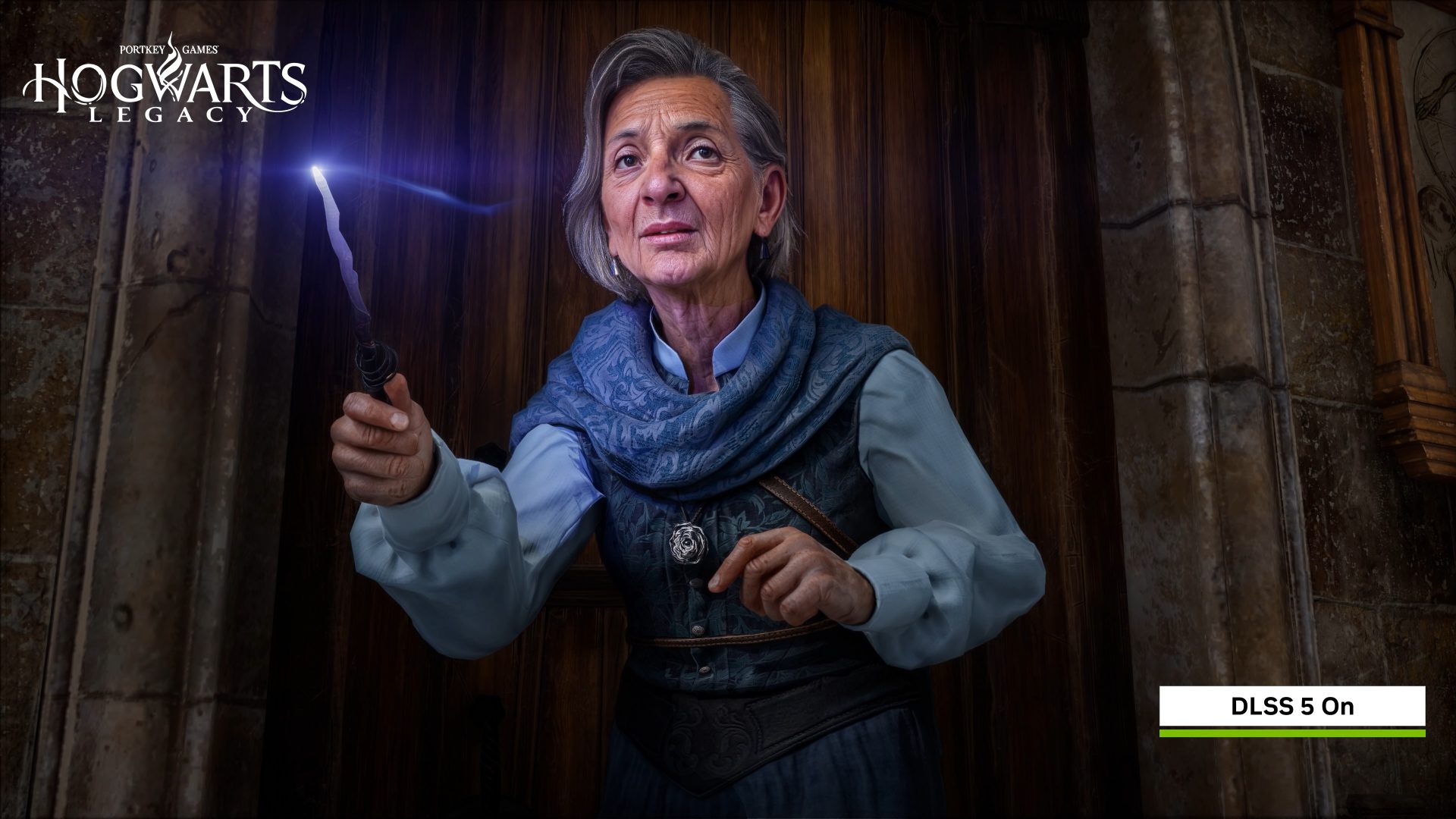
So, here we are again. Another GDC, another flurry of announcements promising the moon, and then the slow, often cynical, drip-feed of reality. Everyone was expecting shiny new toys, right? Especially with something as potentially disruptive as NVIDIA’s DLSS 5 hitting the scene. Developers and modders, bless their souls, immediately went into a predictable tizzy. Some saw salvation, others saw the end of days. And then there’s Mundfish, the folks behind the rather striking Atomic Heart.
They’ve already got the DLSS magic baked into their games – you know, the Super Resolution and Frame Generation stuff that’s supposed to make things look pretty and run smooth. The big question on everyone’s lips, or at least mine, was a simple one: are they jumping headfirst into DLSS 5? Turns out, the answer is a polite ‘we’ll see’. Robert Bagratuni, the studio’s CEO, called it “highly promising” – a classic corporate non-committal. They’re watching, they’re evaluating, but a commitment? Not yet. It’s the same old dance, isn’t it?
‘We will continue to carefully evaluate this and other major breakthroughs to see how such advancements could potentially benefit our players in the future.’
Now, that’s a mouthful. But it boils down to this: they’re not saying no, but they’re certainly not saying yes. It’s a waiting game, and frankly, given the history of tech promises, that’s probably the smartest move.
AI. Ugh. Another thing everyone’s either hyping as the second coming or railing against like it’s a digital plague. Mundfish tackled this too. Their stance? No AI tools in the daily grind. For now. They’ve done their homework, mind you, dug into the research, looked at how these neural networks could speed things up, shave off hours in pre-production. But they’ve consciously decided against integrating them into their daily production pipelines. Interesting.
It’s this idea of balance, isn’t it? Technology versus the human touch. Bagratuni is confident their team can knock it out of the park without the AI crutch. And who can blame him? The games industry, at its heart, is about creativity. You can’t automate soul. But – and there’s always a ‘but’ – they’re keeping the door open. They’re watching AI evolve, acknowledging that it will likely become a standard tool for many. It’s a tool, they say, not a replacement. A nice sentiment, even if history suggests tools have a funny way of becoming indispensable.
Is This Just Corporate Jargon?
The language here is certainly diplomatic, designed to offend no one. But is it a genuinely thoughtful position, or just a well-rehearsed PR maneuver? Given that Mundfish is juggling Atomic Heart 2 and a new MMO, The Cube, it’s a pragmatist’s play. Why bet the farm on bleeding-edge tech that the industry itself hasn’t settled on? It’s a calculated pause, a way to avoid getting caught in the crossfire of whichever way the AI and DLSS winds eventually blow. It’s a far cry from the breathless evangelism we hear from some quarters, and that’s refreshing, in its own cynical way.
The Human Element vs. The Algorithm
What struck me, after two decades of watching Silicon Valley churn out the next big thing, is the subtle but persistent theme of control. NVIDIA wants developers hooked on DLSS 5, and the AI vendors want their algorithms embedded everywhere. Mundfish, by saying ‘not yet,’ is asserting a degree of control over their creative destiny. They’re not saying AI or advanced upscaling are bad. They’re saying we decide when and how they fit into our workflow, rather than letting the momentum dictate. It’s a small act of defiance in a world that often feels like it’s being swept along by technological currents. The real question is how long they can maintain this position before the competitive pressure becomes too great, or before a specific application of AI or DLSS 5 genuinely offers an irresistible advantage.
For now, it’s a welcome reminder that not every company is blinded by the glow of the latest buzzword. Some are still focused on making games, with human hands and human minds at the helm. And in this industry, that’s a story worth telling, even if it’s told with a healthy dose of skepticism.