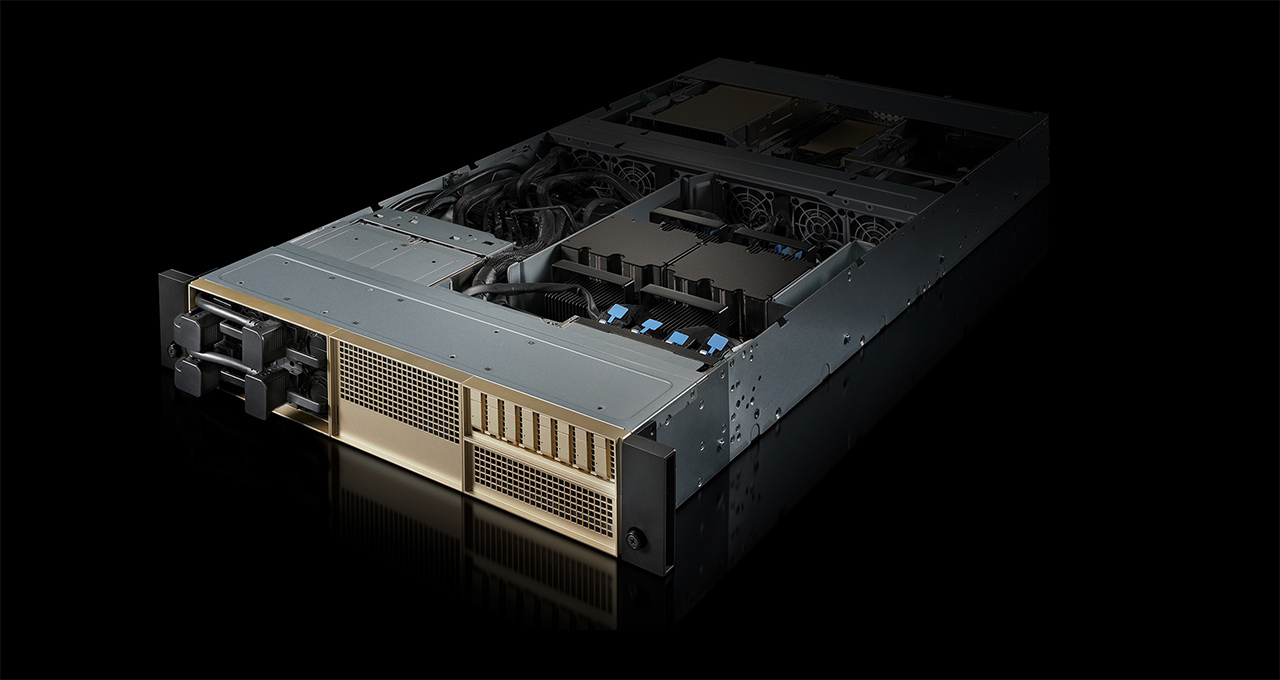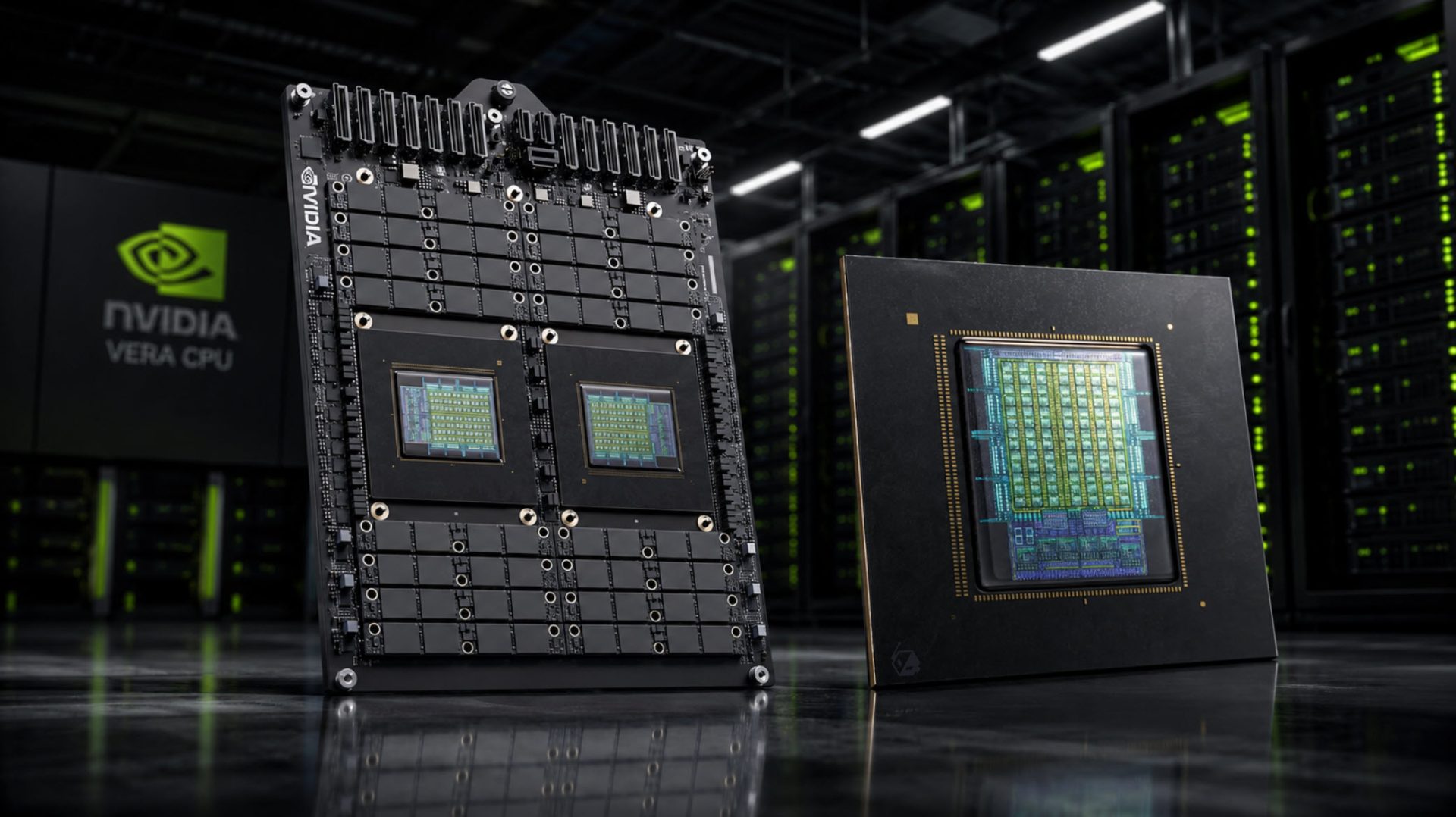
Forget the fuzzy marketing speak for a second. NVIDIA’s new Vera CPU, the one with a ridiculous 88 Olympus Arm cores, just hit the scene with benchmarks that make you sit up and pay attention. We’re talking a 63% leap over its own Grace CPU, which was already supposed to be hot stuff. That’s not the headline grabber, though. It’s the fact that Vera is reportedly spanking AMD’s EPYC 9575F by a cool 10%, and absolutely demolishing Intel’s massive 128-core Xeon 6980P by a jaw-dropping 55%.
This isn’t some theoretical paper launch, either. NVIDIA’s already shoving these Vera racks into the hands of folks like OpenAI, SpaceX, and Anthropic. They’re calling it part of the “Extreme Co-Design ecosystem” for their Rubin platform, but let’s be real: NVIDIA is planting its flag squarely in the standalone CPU market. And they’re not shy about their ambitions, aiming to be the biggest CPU supplier by 2026. Yeah, you heard that right. 2026.
Who’s Actually Making Money Here?
This is where my journalistic cynicism kicks into high gear. For years, NVIDIA’s been the undisputed king of the GPU hill, fueling the AI gold rush. But you know what else AI eats a lot of? CPU cycles. And while everyone’s been fawning over the GPUs, the processors crunching data and orchestrating those GPU behemoths have largely been the domain of Intel and AMD. Now, NVIDIA wants a piece of that action, and they’re not just bringing a knife to a gunfight; they’re bringing a thermonuclear device disguised as an Arm core.
The pitch is simple: purpose-built for “Agentic AI and Inference domains.” Translation? It’s designed to do the heavy lifting for the kinds of AI tasks that are blowing up right now, and doing it more efficiently than what Intel and AMD are currently offering. NVIDIA’s promising 50% better performance, double the performance per watt, and four times the density per rack. If those numbers hold up in the real world—and that’s a big ‘if’—then Intel and AMD aren’t just facing competition; they’re facing an existential threat to their server business.
The Phoronix conclusion states that this is the ‘most performant ARM Linux server processor’ they have ever tested.
Now, before you start writing Nvidia’s victory speech, let’s pump the brakes. The benchmarks we’re seeing are from Phoronix, and while they’re generally reliable, there are caveats. Specifically, the performance-per-watt metrics—the ones that really matter for data center operators trying to keep the electricity bill from going into orbit—were off-limits. Phoronix got their hands on early pre-production hardware. That means NVIDIA could have tweaked things, optimized them to death, or maybe they’re just holding back the really impressive efficiency numbers. We’ll have to wait and see what happens when these things are in the wild, running in actual production environments, not on a lab bench.
Is This Just Another Arm vs. x86 War?
This isn’t just a minor skirmish; it’s Arm throwing down the gauntlet against x86 in the server space. For decades, Intel and AMD have owned this turf. Arm’s been big in mobile, obviously, but for the heavy-duty enterprise server market? Not so much. NVIDIA’s Vera, powered by their custom Olympus Arm cores, is trying to change that narrative entirely. They’re not just offering an alternative; they’re claiming dominance, at least in the AI-centric workloads.
And the competition? They’re not sleeping. AMD’s already got its next-gen EPYC Venice (Zen 6) in mass production for a second-half 2026 release. Intel’s got its Diamond Rapids platform cooking. Then you’ve got Qualcomm and Arm itself also pushing their own data-center chips. The race for AI supremacy is turning into a multi-front war, and CPUs are suddenly right in the middle of it.
What’s fascinating here is NVIDIA’s audacity. They didn’t just build a co-processor to boost their GPUs; they built a full-blown, standalone CPU that they believe can directly compete with, and beat, the incumbents. It’s a bold move, one that shows just how serious they are about controlling the entire AI stack, from silicon to the cloud. If Vera can deliver on even half of its promises, the server chip landscape will look radically different in the next few years. And you can bet Intel and AMD are feeling the heat.
🧬 Related Insights
- Read more: [Chipmakers Alert] Packaging Costs Surge Past Foundry Hikes
- Read more: Aitech’s U-C860X: Battlefield AI Without the Buzzword Bloat
Frequently Asked Questions
What does NVIDIA Vera CPU actually do?
NVIDIA’s Vera CPU is designed to be a high-performance processor for AI workloads, particularly for agentic AI tasks and inference. It features 88 custom Arm-based Olympus cores and is positioned to compete directly with server CPUs from AMD and Intel.
Will NVIDIA’s Vera CPU replace my job?
While Vera and similar AI advancements are likely to automate certain tasks and shift job requirements in tech, it’s unlikely to eliminate entire job categories overnight. The focus will likely shift towards managing, developing, and interacting with these advanced AI systems, rather than direct manual labor.
How does Vera compare to its predecessor, Grace CPU?
Benchmarks indicate that NVIDIA’s Vera CPU offers a significant performance improvement over its predecessor, the Grace CPU. The Vera CPU with 88 cores reportedly achieved 63% higher performance compared to the 72-core Grace CPU in the tested benchmarks.