EOL acceleration. It’s happening.
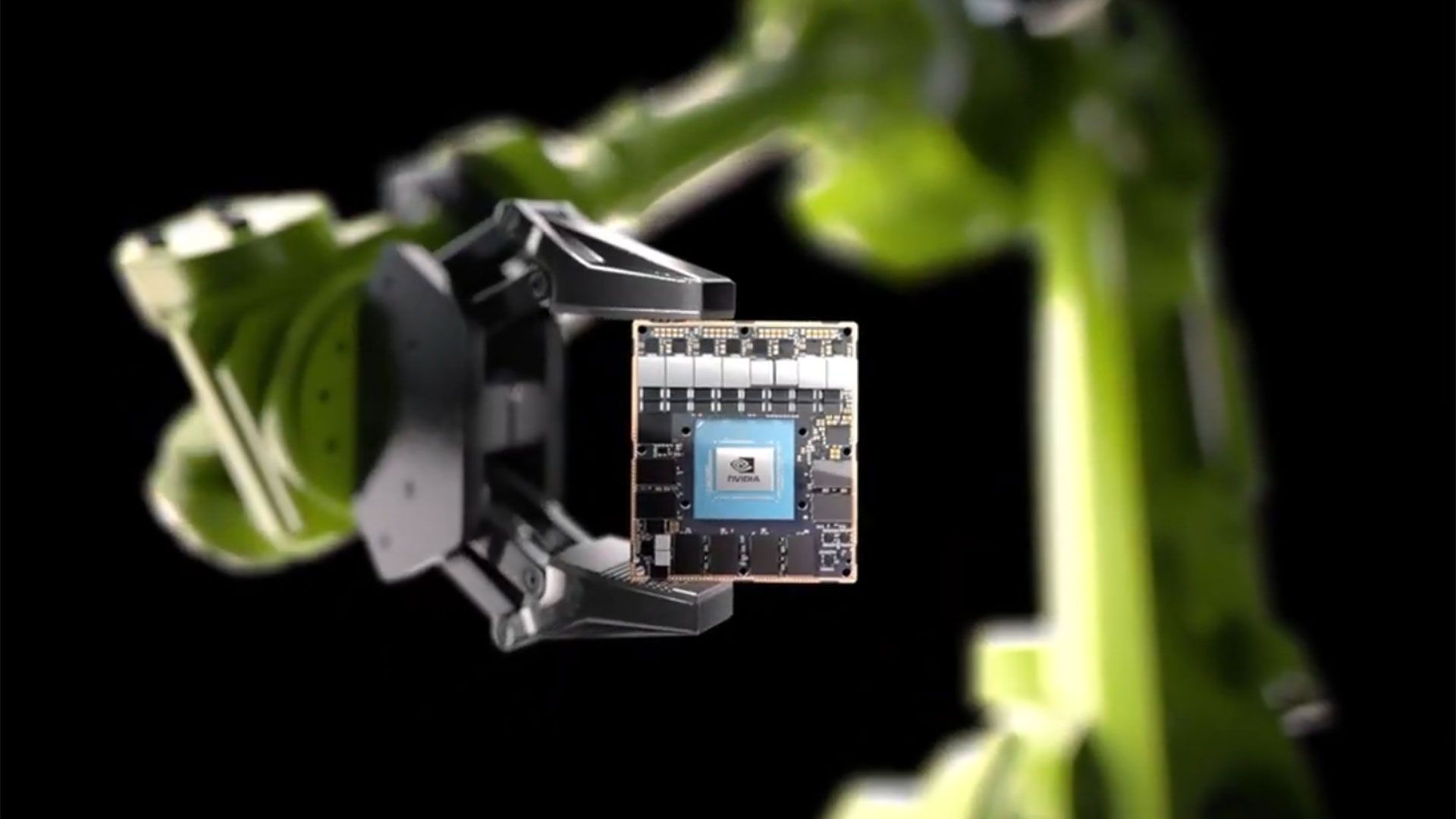
Look, nobody likes obsolescence, especially when it’s shoved down your throat by a supply chain hiccup. But here we are. Nvidia, in its infinite wisdom—or perhaps just reacting to the screaming headlines from memory fabs—is apparently fast-tracking the end-of-life (EOL) for some of its older Jetson AI modules. The victims? Primarily those clinging to the now-unfashionable LPDDR4 memory. Yes, the very RAM that made those chips tick for years is now their death knell. This isn’t a gentle retirement; it’s a forced march to the silicon graveyard.
Connect Tech, a supplier with a pulse on the gritty realities of the AI hardware world, is the one blowing the whistle. They’re seeing Nvidia’s directives firsthand: certain Jetson TX2 and Xavier models are being slapped with Non-Cancelable, Non-Returnable (NCNR) status. That’s corporate speak for ‘tough luck, pal.’ The specific offenders listed include the Jetson TX2 NX, TX2i, AGX Xavier 32GB Industrial, and the Xavier NX in its 8GB and 16GB flavors. But the supplier insists Nvidia’s classifying all TX2 and Xavier models as NCNR. Forget planning; the final order date for these modules is July 1st, existing orders get the NCNR treatment July 15th, and the last gasp of shipments will be July 15th, 2025. A year? For something that’s essentially being declared dead on arrival.
Is this Nvidia’s fault? Not entirely. The TX2 dropped in 2017. Xavier wasn’t far behind, hitting shelves in 2018. Some variants popped up later, sure, but these are ancient by tech standards. The real culprit here is what Connect Tech, and others, are calling the ‘RAMpocalypse.’ It’s not just that LPDDR4 is scarce; it’s that memory manufacturers have decided to pivot. Why bother with yesterday’s tech when today’s shiny DDR5 and the high-margin HBM for AI accelerators are calling? They’re reallocating capacity, leaving older, less profitable nodes to wither. It’s pure, unadulterated market economics at play, and embedded systems are the collateral damage.
So, what’s a developer to do? The article suggests Orin. It’s pitched as a near drop-in replacement, particularly for the Xavier NX. Same form factor, similar power draw. AGX Orin is even friendlier, sharing a connector family with AGX Xavier. But ‘near’ and ‘similar’ are dangerous words in engineering. Specialised I/O configurations? Thermal management? These are the details that bite. Upgrading isn’t just about performance anymore; it’s about survival. It’s about ensuring your project doesn’t become another casualty of the relentless march toward the newest, shiniest silicon.
This isn’t just a memory shortage. It’s a stark illustration of how the industry’s focus—driven by AI’s insatiable hunger for more—can leave entire segments of hardware in the dust. The push for DDR5 and HBM isn’t just an upgrade; it’s a strategic reallocation that renders older platforms vulnerable. For those who built their designs on LPDDR4-based Jetson modules, the window for securing supply isn’t just closing; it’s slamming shut. Migration is no longer an option; it’s a necessity for long-term viability.
Why Does This Matter for Developers?
The accelerated EOL for these Jetson modules means developers must act fast. Projects relying on the affected hardware face an immediate need to migrate to newer platforms like Nvidia’s Orin series. This isn’t a minor inconvenience; it’s a potential project derailment if not handled proactively. Securing existing inventory or planning a migration strategy are the immediate, critical steps. The cost and effort involved in a hardware migration can be substantial, impacting project timelines and budgets.
Are Older AI Chips Always Doomed?
Not always, but the trend is clear. When memory manufacturers prioritize newer, higher-margin technologies like DDR5 and HBM, older memory types like LPDDR4 become less attractive to produce. This creates supply shortages for products that depend on them. For embedded systems with long lifecycle requirements, like those often found in industrial or specialized AI applications, this poses a significant challenge. Companies relying on these older platforms need to closely monitor supply chains and be prepared for potential EOL announcements, often triggered by such market shifts.
These devices depend on memory that is no longer the focus of the industry, yet they still require long lifecycle guarantees that newer consumer products do not.
It’s a brutal reality. The industry isn’t built on sentiment; it’s built on profit margins and the insatiable demand for bleeding-edge performance. Older chips, even if perfectly functional, become liabilities when their foundational components—like RAM—become too expensive or simply unavailable. The TX2 and Xavier families were already on borrowed time, and the memory crunch just provided the final shove. Developers and integrators who haven’t started planning their transition to newer, more supported hardware are looking at significant headaches down the road. This is the cost of playing in a fast-moving tech sandbox.
🧬 Related Insights
- Read more: Microsoft & OpenAI Break Up Exclusivity: A New AI Era Dawns
- Read more: TSMC’s $65B Bet: 2M Wafers to Fix AI Packaging Crunch by 2027
Frequently Asked Questions
What does NCNR status mean for Nvidia Jetson modules?
NCNR (Non-Cancelable, Non-Returnable) status means that once you place an order, you cannot cancel it, and you cannot return the product. It’s a sign that the supplier is committed to the sale, but also that the product is nearing its end of availability and the supplier wants to lock in final sales.
Will the Orin modules completely replace the Xavier and TX2 modules?
The Orin modules are designed as successors and offer better performance and support for newer memory technologies. While they can serve as replacements for many applications, specific I/O or legacy compatibility needs might require careful evaluation during the migration process.
How can I find out if my specific Jetson module is affected by this EOL acceleration?
Check Nvidia’s official product pages and end-of-life announcements. Also, consult with your hardware supplier, like Connect Tech, as they often receive direct notifications about these changes and their specific product impacts.