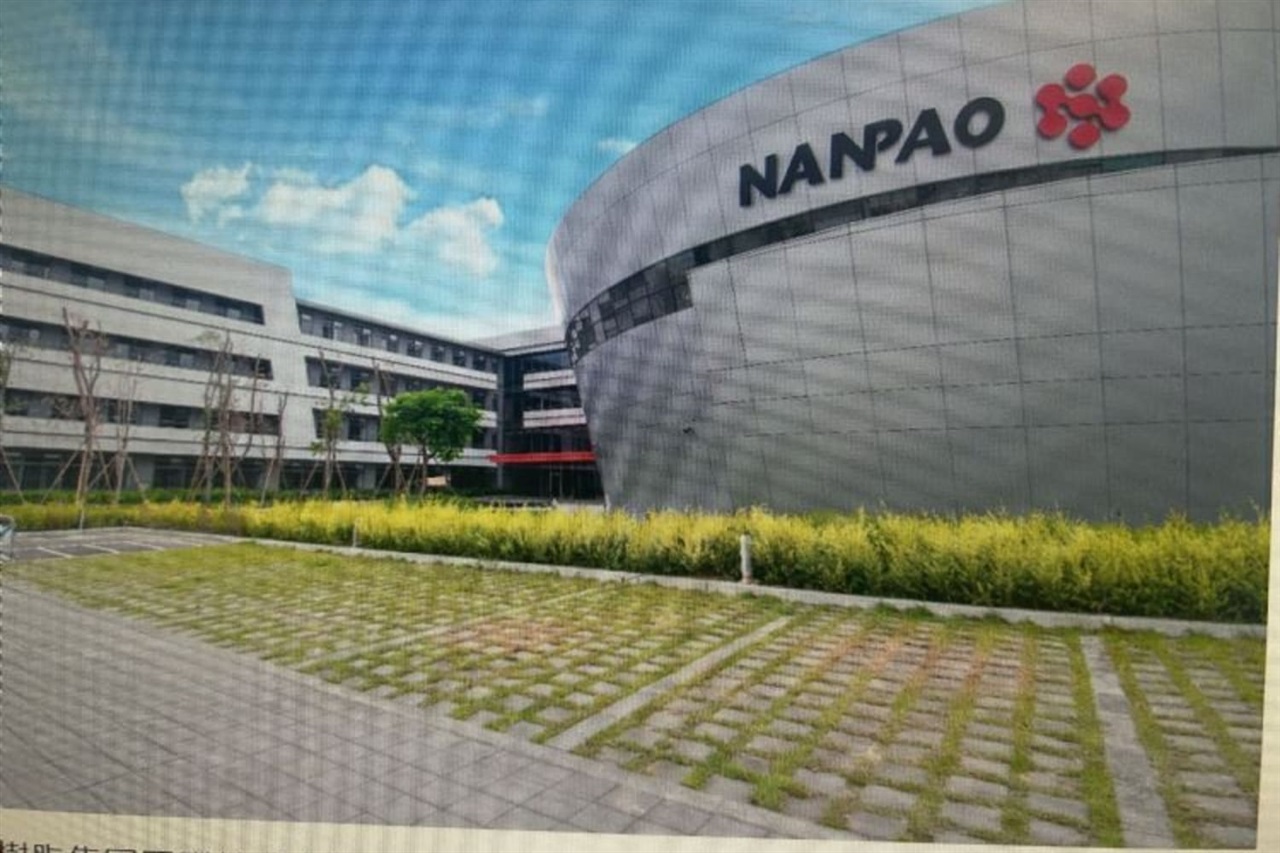
So, Nan Pao Resins Chemical is making a big splash in the high-end semiconductor materials game. They’ve teamed up with Advanced Echem Materials Company and Trusval Technology, creating a new entity called Advanced Pao Trusval Technology. Their target? Advanced packaging. Think of it as the complex, specialized boxes that house those super-powerful chips. You know, the ones that make your AI dreams a reality or your gaming console hum. And this venture isn’t just dipping its toes in the water; it’s reportedly nearing full production capacity.
This news isn’t just about corporate maneuvering in the tech industry. For the average Joe or Jane – the ones actually buying the gadgets these chips enable – it means one thing: more supply, potentially better prices, and certainly the continued march of ever-more-powerful devices. The semiconductor supply chain is notoriously fragile, a fact hammered home by recent global hiccups. When a key player like Nan Pao ramps up production in a critical, often bottlenecked, area like advanced packaging materials, it’s a good sign. It suggests a response to the voracious appetite for more sophisticated electronics.
Is This About More Than Just Glue?
It absolutely is. Advanced packaging isn’t merely about sticking a chip in a box. It’s about cramming more functionality, more power, and more efficiency into smaller spaces. This is where technologies like 3D stacking and heterogeneous integration – basically, mixing and matching different types of chips in one package – come into play. These are the behind-the-scenes wizardries that allow for thinner laptops, faster smartphones, and the complex computations required for self-driving cars and sophisticated AI models. Nan Pao’s move signals confidence in the sustained demand for these cutting-edge capabilities.
The venture is reportedly accelerating its push, which is journalist-speak for “they’re trying to get this thing churning out product ASAP.” And it’s happening at a time when demand for semiconductors is, well, booming. Everything from your streaming box to the server farm powering your favorite social media app needs these bits of silicon and the materials that support them. When you hear about chip shortages, it’s not always about the silicon wafer itself. Often, it’s about the supporting cast – the materials, the manufacturing processes, and yes, the advanced packaging.
“Nan Pao Resins Chemical has been focusing on high-end semiconductor material development and application in recent years. This partnership will consolidate the strengths of all parties and jointly create an integrated ecosystem of materials for the advanced packaging industry.”
This quote from Nan Pao itself paints a picture of strategic intent. They’re not just making a material; they’re building an ecosystem. That’s a big play. It implies a long-term vision, aiming to be a foundational supplier for a significant chunk of the advanced packaging market. This isn’t just about meeting current demand; it’s about shaping future supply chains.
Why Does This Matter for the Little Guy?
Because the “little guy” is increasingly reliant on increasingly complex technology. The more efficiently and robustly these advanced chips can be produced, the more innovation can trickle down. Think about it: if advanced packaging materials are readily available and affordable, companies can afford to put more powerful processors in cheaper devices. Or they can pack more sensors and AI capabilities into medical equipment. Or create smaller, more efficient components for space exploration. It’s a ripple effect.
The fact that this joint venture is nearing full capacity suggests that their bet on advanced packaging is paying off. It’s a validation of the market’s need for these specialized materials. Companies like Nan Pao aren’t throwing money at a whim; they’re investing where they see a clear path to profit and market dominance. And in the complex world of semiconductors, where lead times can be immense and capital investment sky-high, nearing full capacity is a significant milestone. It means the factory is running, the processes are working, and the product is flowing.
Historically, the semiconductor industry has seen shifts where materials suppliers become as critical as the chip designers themselves. Remember the early days of silicon wafers? Now, companies specializing in photoresists, CMP slurries, and advanced packaging materials are often the unsung heroes. This Nan Pao venture is placing itself squarely in that critical tier. It’s a move that could see them become indispensable for companies pushing the boundaries of computational power.
The push into advanced packaging is also a subtle but important signal regarding global supply chain diversification. As nations and companies grapple with geopolitical risks and the desire for more localized or resilient supply chains, the emergence of strong domestic or regional suppliers for key materials becomes paramount. Nan Pao’s expansion in this area could contribute to that ongoing effort, reducing reliance on single sources for crucial components.
What’s the Catch?
There’s always a catch, isn’t there? While increased capacity is generally good news, the devil is often in the details of quality, consistency, and pricing. For Nan Pao and its partners, the real test will be sustaining high-quality output at scale. The semiconductor industry has incredibly stringent purity and performance requirements. Any slip-up can render entire batches of chips useless – a very expensive mistake.
And then there’s the competitive landscape. This is a lucrative market, and other players are undoubtedly vying for dominance. Nan Pao’s success will depend on their ability to innovate, maintain cost-effectiveness, and build strong relationships with major chip manufacturers. It’s a marathon, not a sprint, and hitting full capacity is just the starting gun.
But for now, for the consumer staring down the barrel of another year of exciting tech releases, the news is undeniably positive. More materials for advanced packaging means more chips, and more chips mean a faster, smarter, and more connected future.
**
🧬 Related Insights
- Read more: Supermicro Execs Accused of Smuggling AI GPUs to China via Thailand
- Read more: Nvidia’s Vera Rubin: Huang Declares AI Ramp History’s Biggest
Frequently Asked Questions**
What are advanced packaging materials? These are specialized chemicals and compounds used to assemble and protect semiconductor chips, enabling more complex chip designs and improved performance in smaller form factors.
Will this make my electronics cheaper? Potentially. Increased supply and competition can lead to lower costs for manufacturers, which may then be passed on to consumers, though market demand also plays a significant role.
Is Nan Pao a big company? Nan Pao Resins Chemical is a significant player in the chemical industry, and this joint venture represents a strategic move to expand its influence in the high-value semiconductor materials sector.