The latest pronouncements from the AI hype machine aren’t always coming from the usual suspects. Forget the GPU giants for a second; listen to the guys who build the physical infrastructure. King Slide, a maker of server rails and high-end mechanical components, dropped a bomb (of sorts) on May 7th. They declared that the sky-high demand for AI compute isn’t some speculative frenzy, some fleeting trend. Nope. They’re seeing it as the real deal, projecting strong orders straight into the second quarter of 2026. That’s right, next year. All this, as the behemoth cloud service providers continue their breakneck expansion. Someone’s building out a lot of racks.
It’s easy to get swept up in the whirlwind of AI announcements. Every week, there’s a new model that’s supposedly going to change everything, a new chip that promises a quantum leap. But the engine rooms of this digital revolution, the actual physical hardware that houses these calculations, doesn’t get as much press. King Slide operates in that vital, less glamorous space. They’re the folks who ensure servers don’t just topple over when they’re crammed into dense data centers, often with specialized cooling and power requirements. When a company like that is singing the praises of sustained demand, it’s worth paying attention. It suggests the build-out isn’t just about the next quarterly earnings report; it’s a longer-term play.
So, who’s actually writing the checks? The original article points to “global cloud service providers.” This means the Amazons, the Googles, the Microsofts of the world. They’re the ones gobbling up AI chips, and consequently, they’re the ones needing more servers, more racks, more of King Slide’s meticulously engineered components. The critical question then becomes: are these cloud giants overestimating demand, or are they building infrastructure for a future wave of AI applications we haven’t even dreamed up yet? King Slide’s bet, or rather their projection, leans heavily towards the latter. They’re essentially saying, ‘We’ve seen this movie before, and it’s not ending with a sudden plot twist.’
Is This Really Just About More Servers?
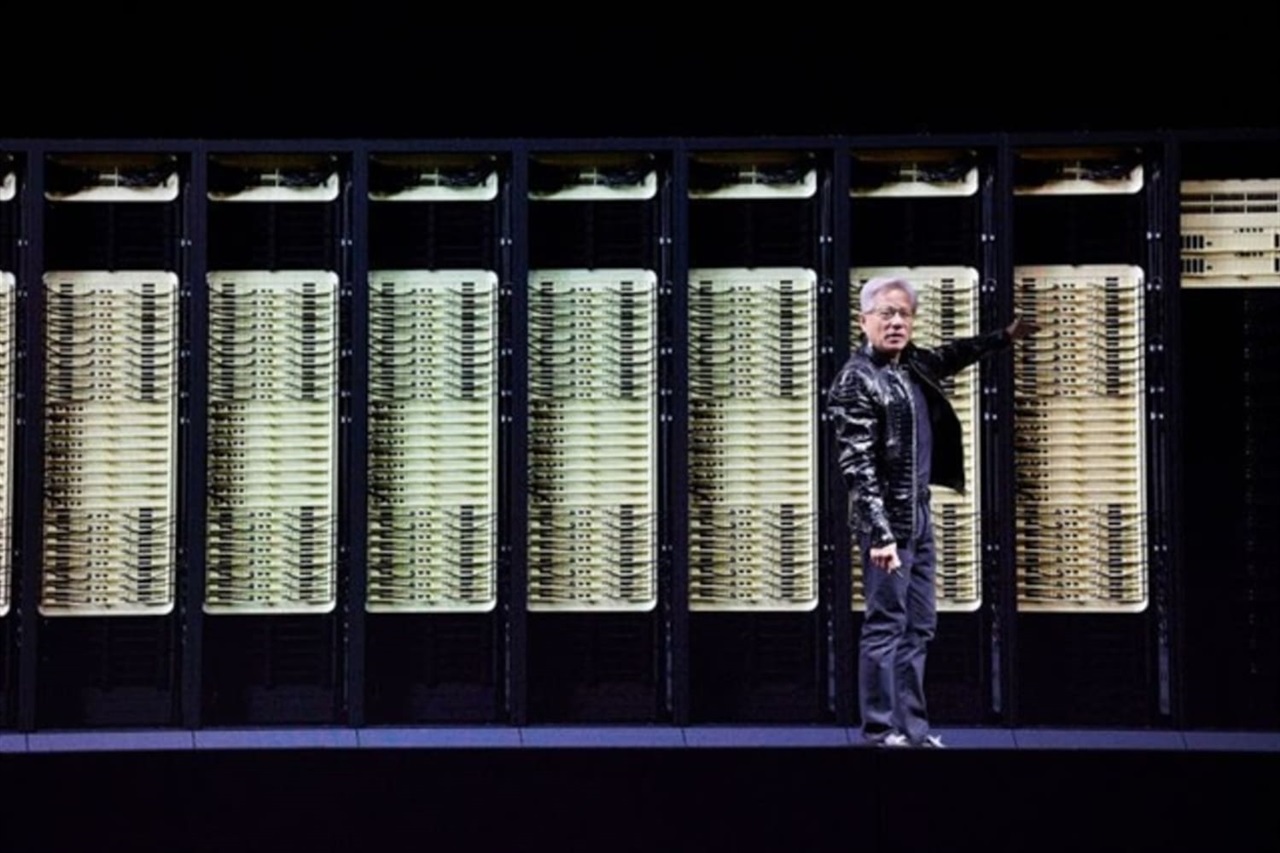
Let’s be clear: AI compute demand is not a bubble because the applications are real and the compute power required is massive. We’re talking about training LLMs, running complex simulations, and powering generative AI tools that are becoming increasingly integrated into business workflows and consumer products. The raw processing power needed for these tasks is exponentially higher than for traditional computing. Think about it – your average smartphone chip is a marvel, but it’s not going to train a GPT-4 model. That requires clusters of specialized hardware, all housed within a strong physical framework. King Slide’s optimism is tied to this fundamental reality of computational requirements.
They expect orders to remain strong in the second quarter of 2026. That’s a specific timeframe, not just a vague ‘future growth’ statement. It implies a level of visibility into their customers’ (the cloud providers’) roadmaps. These providers aren’t ordering server rails on a whim; they’re planning data center expansions and hardware refreshes months, if not years, in advance. A strong Q2 2026 order book suggests that the current pace of AI investment isn’t a temporary surge, but a sustained build-out phase. It’s a signal that the appetite for AI hardware isn’t satiating anytime soon, and that the underlying physical infrastructure needs to keep pace.
“King Slide said on May 7 that AI compute demand is not a bubble and that orders were expected to remain strong in the second quarter of 2026 as global cloud service providers continued rapid…”
Now, the phrase “continued rapid expansion” is doing a lot of heavy lifting here. It implies these cloud titans aren’t just doing a one-off upgrade; they’re in an ongoing expansion mode. This isn’t just about replacing old servers; it’s about adding entirely new capacity. This kind of sustained capital expenditure is a much stronger indicator of long-term trends than a short-term spike in chip sales. It’s the kind of investment that underpins entire economies, not just a single product cycle. So, while the headlines scream about AI breakthroughs, the real story for King Slide, and by extension the entire hardware ecosystem, is about the sheer, unglamorous, but absolutely vital, physical scaling required to make those breakthroughs a reality.
What About the Makers of the Chips Themselves?
The obvious question when you hear “AI compute demand” is what about NVIDIA, AMD, Intel? They’re the ones making the actual processors. King Slide’s position is indirectly tied to their success. More AI chips sold means more servers need to be built to house them. The server rail manufacturer is essentially a downstream indicator. If King Slide is seeing strong orders for Q2 2026, it strongly implies that the chip makers are also seeing strong demand that translates into hardware orders. This isn’t a zero-sum game; it’s a symbiotic relationship. The demand for AI compute fuels the demand for the chips, and the availability of those chips then fuels the need for the infrastructure to deploy them at scale. It’s a feedback loop, and right now, that loop is apparently running hot for the foreseeable future.
This isn’t the first time we’ve seen infrastructure companies provide a sober, grounded perspective on technology booms. Remember the dot-com era? While software companies flamed out, the companies laying fiber optic cables, building data centers, and manufacturing modems often found their businesses booming for years. King Slide’s commentary feels like a echo of that phenomenon. They’re not selling the dream; they’re selling the screws, bolts, and metal supports that hold the dream together. And right now, the demand for those foundational elements is apparently as solid as… well, as a well-built server rack.
So, the next time you hear about AI, don’t just think about the software or the chips. Spare a thought for the folks like King Slide, who are quietly ensuring that the digital revolution has a solid place to stand. Their projections for 2026 suggest this isn’t just a fleeting moment, but the dawn of a new era of massive infrastructure build-out.