The hum in the server rooms isn’t just the fans anymore; it’s the sound of a tectonic shift. Meta, in a move that screams ‘all-in’ on AI, just signed a jaw-dropping $35.2 billion deal with CoreWeave for dedicated AI processing capacity. This isn’t just a rental agreement; it’s a declaration of intent, a colossal bet on the future of personal AI agents and a stark signal to the established cloud giants.
This isn’t a drill. We’re talking about Meta’s insatiable hunger for compute, a hunger so vast it’s forcing a reevaluation of who controls the digital high ground. Remember the metaverse obsession? This is a far more grounded—and, dare I say, sensible—play, backed by a massive, tangible customer commitment.
CoreWeave, that lightning-fast neocloud that’s been quietly building an empire on GPU rentals, just saw its revenue backlog explode. The original $14.2 billion deal from last September? That’s now dwarfed by an additional $21 billion commitment stretching through December 2032. Suddenly, Meta isn’t just a customer; it’s practically the entire business model, accounting for over 40% of that monumental $87.8 billion backlog. It’s like finding out your favorite indie coffee shop just got bought by Starbucks—but in a good way, for the coffee shop.
And they’re not alone. OpenAI, another titan of AI, has already carved out a substantial slice of CoreWeave’s future, locking in $22.4 billion. Together, these two powerhouses now represent nearly two-thirds of CoreWeave’s guaranteed revenue. This isn’t diversification; it’s a concentrated bet on the very vanguard of AI development.
The Neocloud Strategy: More Than Just Racks and Power
This whole neocloud model, epitomized by CoreWeave, is fascinating. It’s about being hyper-focused, laser-sharp on the needs of AI workloads. Think of it like a specialized racing team compared to a general automotive manufacturer. They’re optimizing every bit of silicon, every watt of electricity, for one singular purpose: crushing AI tasks. And then, as the tech titans upgrade to the absolute bleeding edge, CoreWeave plans to scoop up the still-powerful older hardware, extending its lifecycle and offering it at a more accessible price point to a broader market. It’s a brilliant circular economy for GPUs.
But let’s be real: running a fleet of data centers, packed to the rafters with tens of thousands of cutting-edge GPUs, isn’t cheap. In 2025, CoreWeave’s sales surged to $5.13 billion, a 2.7x jump from the year prior. Yet, despite that explosive revenue growth, they’re still showing an operating loss. This is the classic high-growth startup paradox: massive investment in infrastructure and talent means red ink, even as the top line rockets upwards. Their net loss for 2025 hit $1.17 billion, but the fact that losses aren’t growing faster than revenue? That’s a glimmer of hope, a sign they might be navigating this capital-intensive race with a degree of control.
The Financial Engineering Behind the Silicon
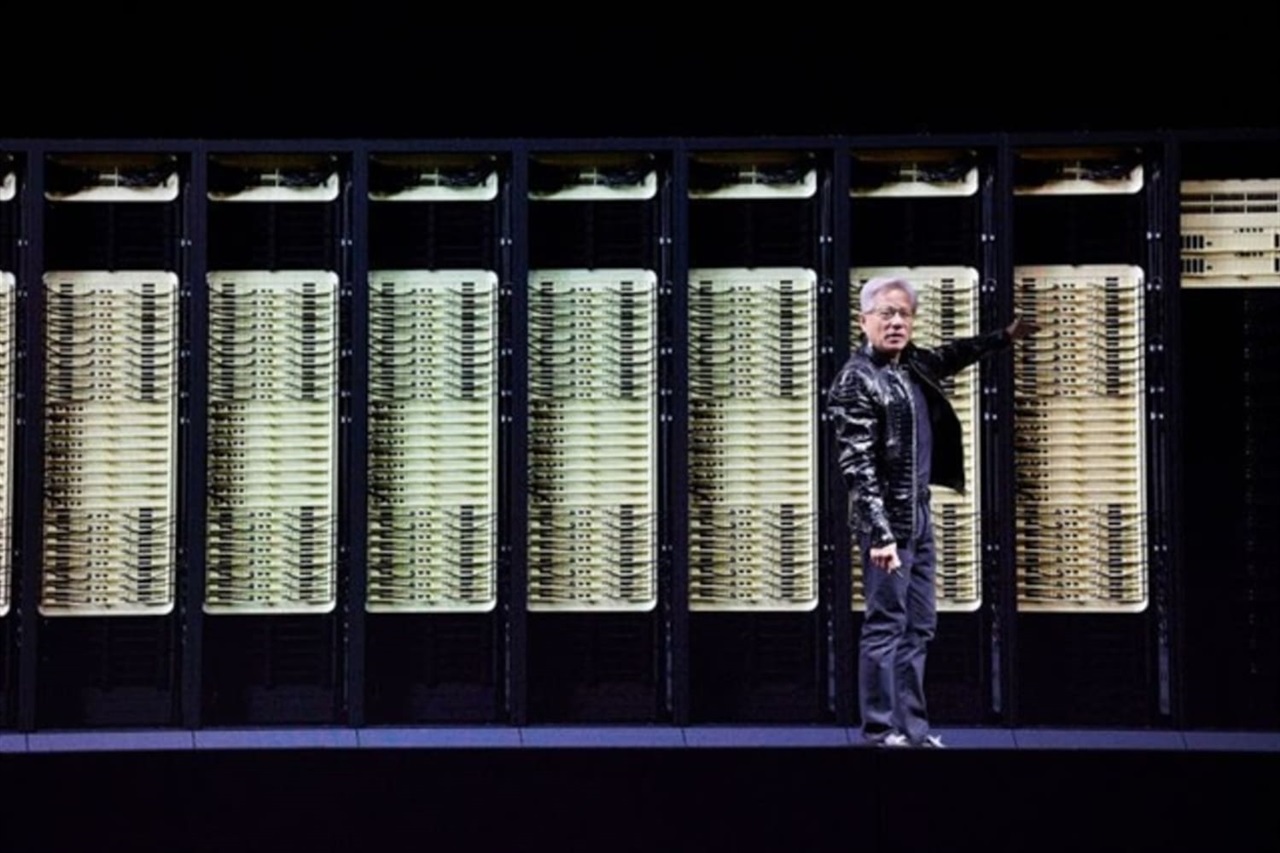
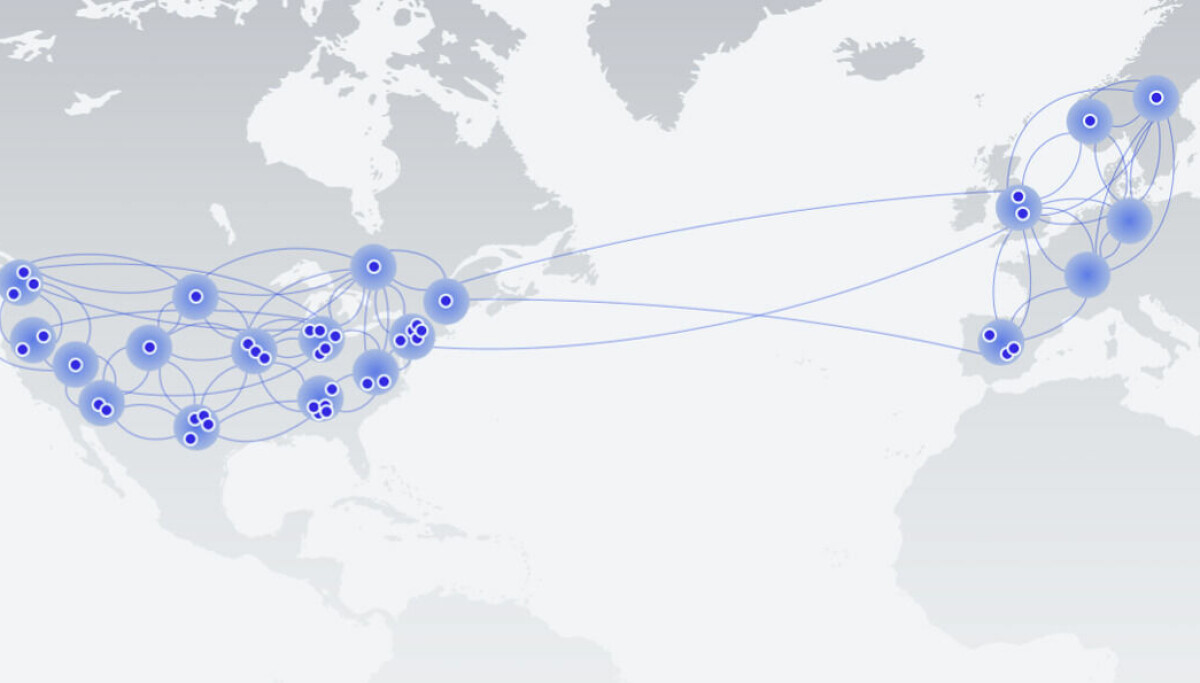
This brings us to the “financial engineering” bit. CoreWeave isn’t just building data centers; they’re building a financial edifice to support that expansion. With nearly $4 billion in cash and securities after going public, they’ve managed to pour a staggering $14.9 billion into capital equipment. We’re talking about a fleet of 43 data centers, drawing a colossal 850 megawatts of power—enough juice to power a small city, all for GPUs. And the sheer value of those GPUs alone? Estimated between $15 billion and $20 billion. That’s a mountain of collateral.
But the appetite for expansion is voracious. CoreWeave has another 2.25 gigawatts of power under contract, just waiting to be built out. Jensen Huang himself pegs the cost at around $50 billion per gigawatt. Do the math: we’re looking at an eye-watering potential investment of over $113 billion to fully realize that capacity. To put it mildly, they’re going to need more than just their own balance sheet. Hence, the recent news: a private offering of $1.75 billion in senior notes. It’s a financial ballet, a constant dance to secure the capital needed to keep pace with the insatiable demand for AI compute.
This Meta deal, this monumental commitment, isn’t just about CoreWeave’s balance sheet. It’s about the entire landscape of cloud computing. It suggests that the era of hyperscalers having it all to themselves might be slowly drawing to a close. Specialized providers, with their focused expertise and agility, are carving out significant niches. CoreWeave is proving that there’s a powerful alternative to the behemoths, a challenger emerging from the GPU-centric shadows.
Meta Platforms has aspirations to be one of the big AI model builders and to push the state of the art to “superintelligence,” under the impression that it can sell access to personal AI agents to its more than 1 billion users worldwide.
This is where we’re headed: not just smarter algorithms, but an entire infrastructure ecosystem built to serve them. And CoreWeave, fueled by these massive deals, is positioning itself at the very heart of that future.
Will This Deal Make or Break CoreWeave?
It’s a massive win for CoreWeave, securing revenue that will fund significant expansion and solidify its position. However, the heavy reliance on just a few mega-customers like Meta and OpenAI also presents a concentration risk. If one of these giants shifts strategy or finds an alternative, it could have a disproportionate impact.
What Does This Mean for Nvidia?
This deal is unequivocally bullish for Nvidia. CoreWeave’s expansion and massive compute needs mean a huge, ongoing demand for Nvidia’s latest GPUs. It’s a direct pipeline for their most lucrative products, reinforcing Nvidia’s critical role in the AI boom.
Is This a Threat to AWS, Azure, and GCP?
Potentially, yes. While the major cloud providers offer broad services, specialized providers like CoreWeave can offer tailored, often more cost-effective solutions for specific high-demand workloads like AI training and inference. This deal signals that hyperscalers will face increased competition for these lucrative AI contracts.