The air conditioning bill for an AI data center must be astronomical. Think thousands of processors humming, generating enough heat to fry an egg. Then, the complex cooling systems churn, dissipating that heat into the ether. It’s a colossal waste. Or, at least, it has been. Michael Abdelmaseh, founder of PyroDelta Energy, has a notion that might just make sense. His idea? Turn that ambient inferno back into usable electricity. Yes, the thermoelectric effect, a concept as old as gas lamps, is getting a modern makeover.
We’ve known for about 200 years that certain materials can flip-flop: use electricity to cool, or use heat to generate electricity. Phononic is already using the former to chill data centers. Abdelmaseh wants to exploit the latter. His company, PyroDelta, a subsidiary of First Tellurium, is focused on thermoelectric generators (TEGs). These devices, essentially, scoop up waste heat and convert it into a trickle of electrical power.
It’s not exactly a panacea for data center energy woes. The efficiency limitations of current thermoelectric materials are, frankly, abysmal. Don’t expect these TEGs to power your next AI supercomputer. But they might just be enough to juice the myriad sensors, cameras, and other low-power bits that keep a massive facility humming. And that’s something.
The problem with current TEGs? Bismuth telluride, the go-to material, is a diva. It needs to be grown in massive, pristine crystals, then painstakingly sliced and diced. This process is wasteful, expensive, and prone to cracking. Plus, the resulting devices are often soldered together, melting when things get truly hot.
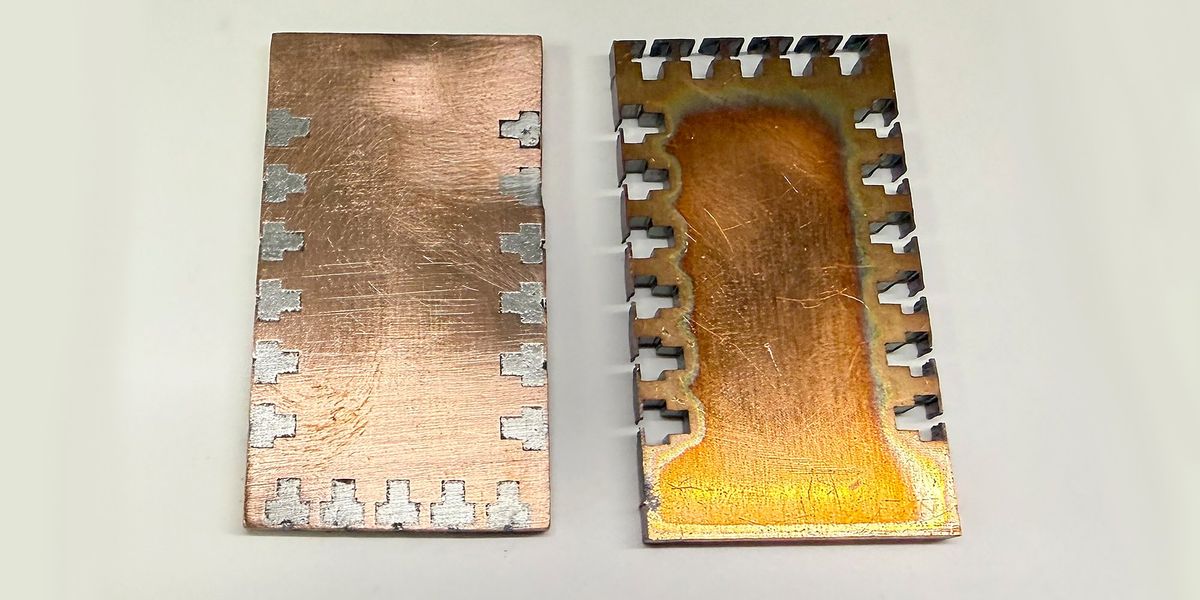
Abdelmaseh, who cut his teeth at Toyota, evidently dislikes waste. His innovation lies in how he grows these bismuth telluride crystals. Instead of lumbering giants, he uses something called the capillary effect. Think of it like a wick drawing liquid into a specific shape. This allows him to grow crystals directly into desired forms—even curves. This means no more sawing, less material waste (60-80% less, they claim), and, crucially, increased durability—up to 10 times longer, according to Abdelmaseh.
A Cooler Future? Maybe.
So, what does this mean in practice? PyroDelta has a prototype for data centers. It’s not going to power the GPUs, but it’s targeted for those ubiquitous sensors and cameras. They’ve also cooked up a thermoelectric car radiator. The goal: snatch heat from your gas guzzler’s exhaust and convert it to power the car’s electrical systems. A 5% bump in efficiency. Small, but not insignificant when you’re talking about millions of internal combustion engines.
And then there’s the DARPA Lift Challenge. Abdelmaseh’s team is apparently building a drone that uses these TEGs to scavenge thermal energy. The idea is to boost power output while keeping weight down. Drones are notoriously power-hungry and weight-sensitive, so this could be an interesting niche.
Is this the next big thing in data center energy? Unlikely. The primary challenge—efficiency—remains. But as the demand for AI computing continues to skyrocket, and data centers balloon in size and power consumption, every bit of optimization counts. Repurposing waste heat for low-power applications isn’t just clever; it’s increasingly necessary. It’s a small step, but a necessary one, away from the brute-force energy consumption that has defined the AI gold rush.
Abdelmaseh wants to make thermoelectric generators that can easily be integrated with data center liquid cooling systems, in engines, and in drones. This will not replace traditional cooling methods, since thermoelectric materials are currently limited in efficiency, but it could introduce some heat reuse.
Why Does This Matter for Data Centers?
The sheer scale of AI data centers is creating an unprecedented heat problem. Traditional cooling methods, primarily air and liquid, are energy-intensive. By introducing thermoelectric generators, even for ancillary power needs, companies can slightly reduce the overall energy draw. It’s about marginal gains, but when you’re operating at hyperscale, marginal gains become substantial savings. Plus, as regulations around energy consumption and carbon footprints tighten, any technology that demonstrates resourcefulness will gain traction.
The environmental argument is also compelling. Less wasted energy means a lower carbon footprint. While PyroDelta’s contribution might be modest initially, it’s a signal of a larger trend: making our insatiable digital appetite a little more sustainable. It’s the kind of pragmatic innovation that often gets overlooked in the flashy headlines about new AI models or chip architectures. This is about the grunt work of efficiency.