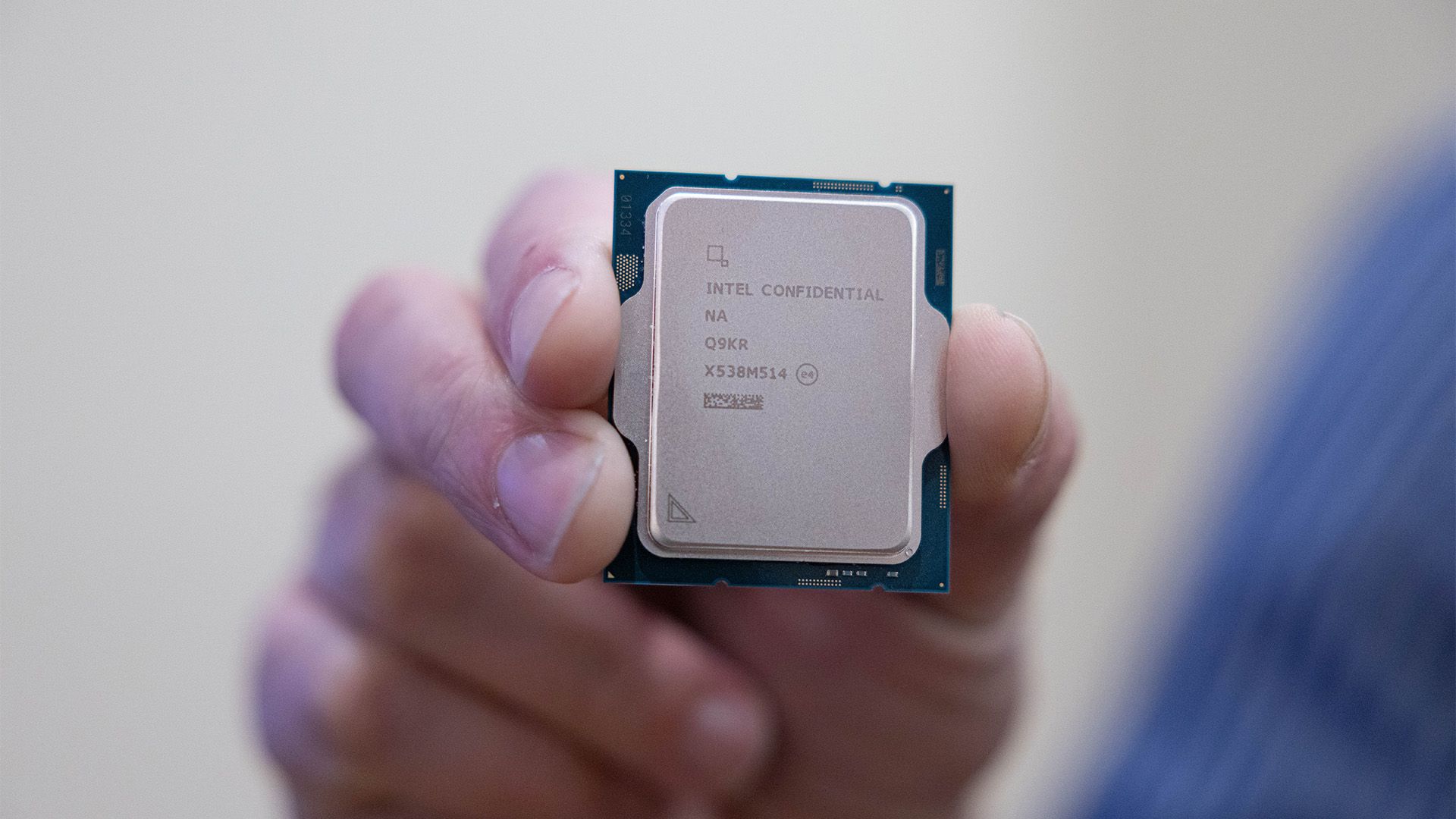
So, is Intel actually trying to innovate anymore, or are they just rearranging the deck chairs on the Titanic? Because this whole Bartlett Lake situation, particularly the flagship Core 9 273PQE, smells an awful lot like a corporate PR stunt dressed up as a tech release. They tell us they’ve listened to the pleas for “pure” P-core processors, and poof! Bartlett Lake emerges. Essentially, it’s Raptor Lake with the E-cores yanked out. Sounds simple, right? Except, as it turns out, four years of stagnation can really bite you in the silicon.
Intel enthusiasts have been yammering for years about wanting a CPU lineup that ditched the efficiency cores, you know, the little guys that handle background tasks so the big boys can do the heavy lifting. Bartlett Lake is supposed to be Intel’s grand gesture to these folks. After years of whispers and leaks, Intel finally drops this thing, only to immediately slap a “DO NOT DISTURB” sign on it. This supposedly enthusiast-pleasing chip is locked down tighter than Fort Knox for OEMs and embedded systems. Mainstream consumers? Tough luck. You want pure P-cores? You’ll have to jump through hoops and mod your existing hardware, because Intel clearly decided you’re not worthy.
Is This the “Pure P-Core” Dream Intel Promised?
The Core 9 273PQE, on paper, sounds like a beastly P-core enthusiast’s dream. We’re talking 12 Raptor Cove P-cores – that’s a 50% jump over the Core i9-13900K or the even newer 14900K. And the clock speeds? They’re nipping at the heels of the 14900K’s P-core boost. This chip was set up to be the king of the P-core hill. But then the real-world benchmarks dropped, and reality, as it often does, sucker-punched the hype train.
German publication PC Games Hardware (PCGH) got their hands on the 273PQE, slapped it onto a W680 chipset motherboard (designed specifically for this Bartlett Lake business), paired it with DDR5-5600 memory, and… well, it choked. The results are, frankly, embarrassing. We’re talking about a CPU that’s supposed to be the pinnacle of P-core design, getting its digital backside handed to it by a chip that’s been gathering dust for four years.
Despite featuring 12 P-cores, the Core 9 273PQE delivered gaming performance comparable to the Ryzen 7 9700X and Core i5-14600K. With DDR5-5600 C46 memory, it was only slightly faster than the Core i9-13900K.
Yeah, you read that right. “Slightly faster” than the Core i9-13900K. That’s the headline here. The chip that’s supposed to represent a leap forward for P-core enthusiasts is barely nudging the needle past a four-year-old CPU. And when you toss in faster memory for the older chip? The 13900K actually pulls ahead of the fancy new 273PQE. It’s a brutal reminder that more isn’t always better, especially when the architecture is tired and the platform is locked down.
Who Actually Benefits From This Mess?
Let’s cut through the corporate jargon. Who is making money here? Intel is pushing this out to OEMs, meaning businesses that build pre-configured systems. They’re likely getting these chips at a price that makes them look like a good deal for certain niche commercial applications. But for the average gamer or power user who just wants a screaming fast processor? Forget about it. They’re being left out in the cold, fed the same old silicon with a slightly different marketing spin.
The lack of flexibility is a killer. Because Bartlett Lake is restricted to commercial clients, there’s virtually no room for enthusiasts to tinker, to overclock, or to pair it with the fastest memory available – the kind that PCGH proved actually matters. Intel’s own marketing suggests this CPU is a marvel, but the real-world tests show it’s hobbled. It’s like giving a Ferrari engine to a Lada chassis and expecting it to win Le Mans. It just doesn’t work like that.
And let’s not forget the application performance. While it edged out some mid-range chips, the 273PQE was thoroughly trounced by the 13900K in application benchmarks, sometimes by a margin of over 40%. This isn’t a subtle difference; it’s a gaping chasm. It makes you wonder if Intel even tried to optimize this thing for anything beyond the most basic tasks, or if they just assumed “more P-cores = more performance” was enough.
My take? Intel is in a bind. They’ve got this older architecture they need to push, and they’re trying to spin it as a response to consumer demand. It’s a clever bit of misdirection, but it’s not fooling anyone who looks beyond the press release. The Core 9 273PQE is a cautionary tale: more cores don’t automatically mean better performance, and if you hobble a CPU with OEM exclusivity and limited tuning options, you end up with a glorified paperweight, no matter how many P-cores you cram into it.
🧬 Related Insights
- Read more: Supermicro Execs Accused of Smuggling AI GPUs to China via Thailand
- Read more: AMD’s Gargon Halo: 192GB Memory Aims for Big AI Models
Frequently Asked Questions
What is Intel Bartlett Lake?
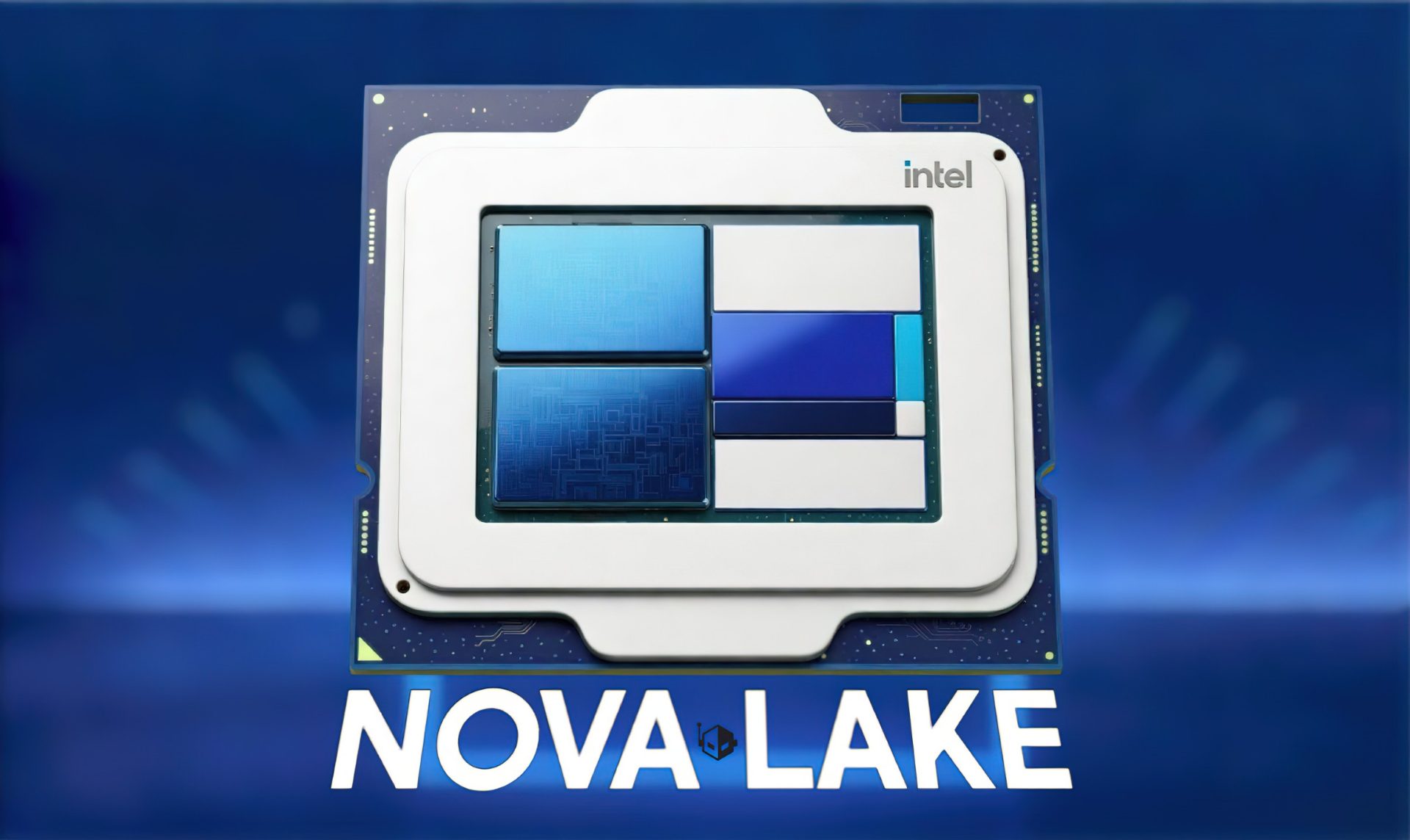
Bartlett Lake is Intel’s codename for a processor series that focuses exclusively on Performance-cores (P-cores), removing the Efficiency-cores (E-cores) found in previous generations like Raptor Lake. The flagship is the Core 9 273PQE.
Is the Intel Core 9 273PQE available for consumers?
No, the Bartlett Lake series, including the Core 9 273PQE, is exclusively for Original Equipment Manufacturers (OEMs) and embedded applications, locking out mainstream consumers.
Why did the Core 9 273PQE perform poorly against older CPUs?
Benchmarks suggest the Core 9 273PQE’s performance was hampered by limited flexibility for tuning, restricted memory pairing options due to OEM exclusivity, and potential lack of optimization for mainstream applications. While it has more P-cores, the overall architecture and platform limitations prevented it from surpassing older, more mature processors like the Core i9-13900K, especially when paired with faster memory.