Look, everyone was expecting Computex. A parade of shiny new laptops, some dazzling concept devices, the usual fanfare of innovation that gets our tech-loving hearts beating a little faster. But this? This feels different. This feels like the quiet hum of a server farm powering a future we haven’t quite grasped yet.
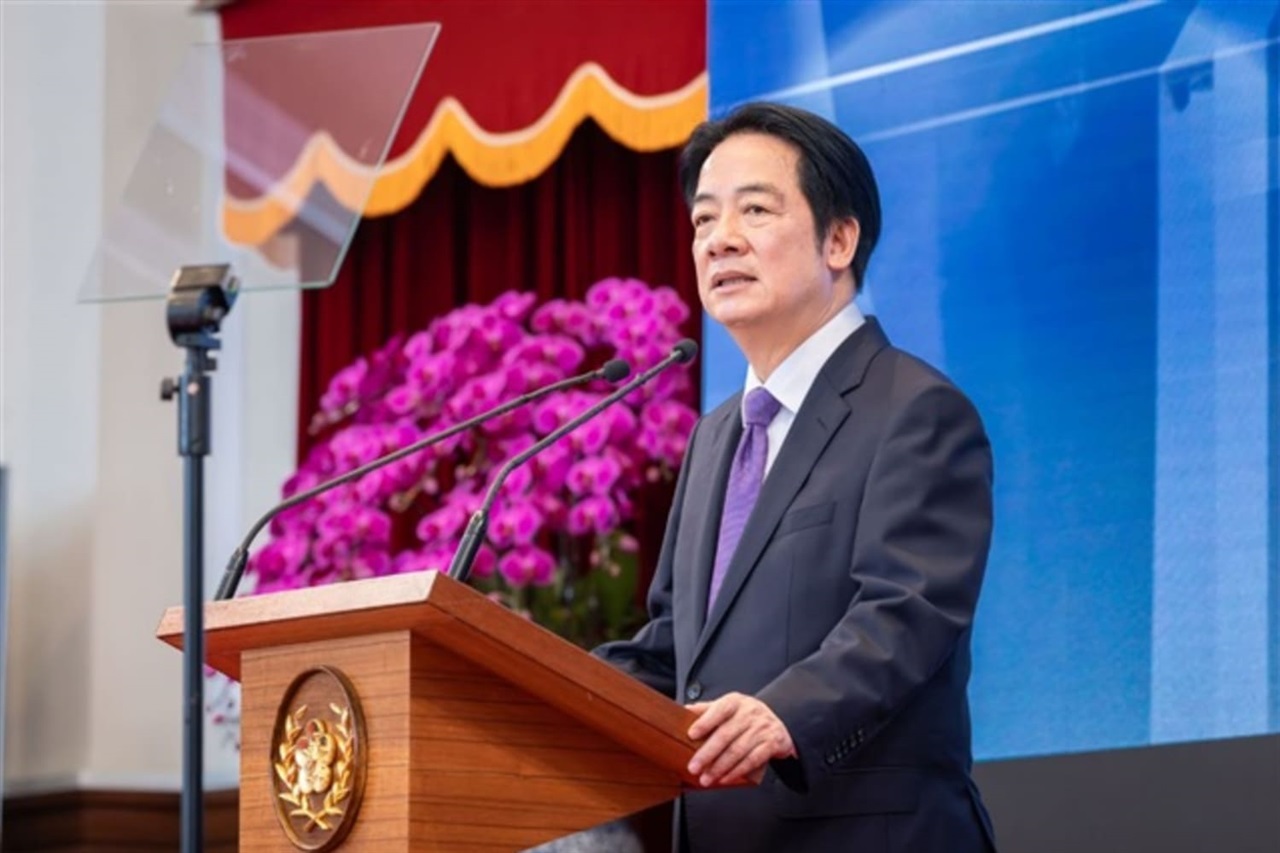
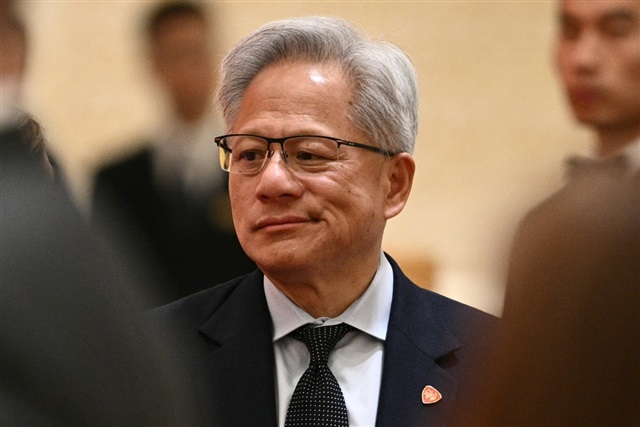
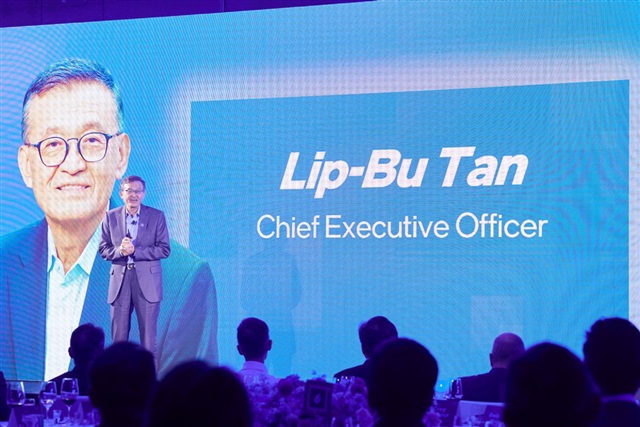
Intel CEO Pat Gelsinger, AMD CEO Lisa Su, and Nvidia CEO Jensen Huang – they’re all descending on Taiwan. Not for a public handshake and a photo op, but for closed-door meetings. This isn’t about announcing a new gaming GPU or a faster processor for your next ultrabook. This is about the bedrock. It’s about who controls the fundamental building blocks of our increasingly digital world.
Taiwan. The undisputed heartland of semiconductor manufacturing. TSMC, that monolithic giant, is the engine humming beneath the surface of nearly every cutting-edge device we use. And these CEOs? They’re not just visiting; they’re making a pilgrimage. They’re trying to solidify relationships, to ensure their access to the very silicon that fuels their empires, and, by extension, our future.
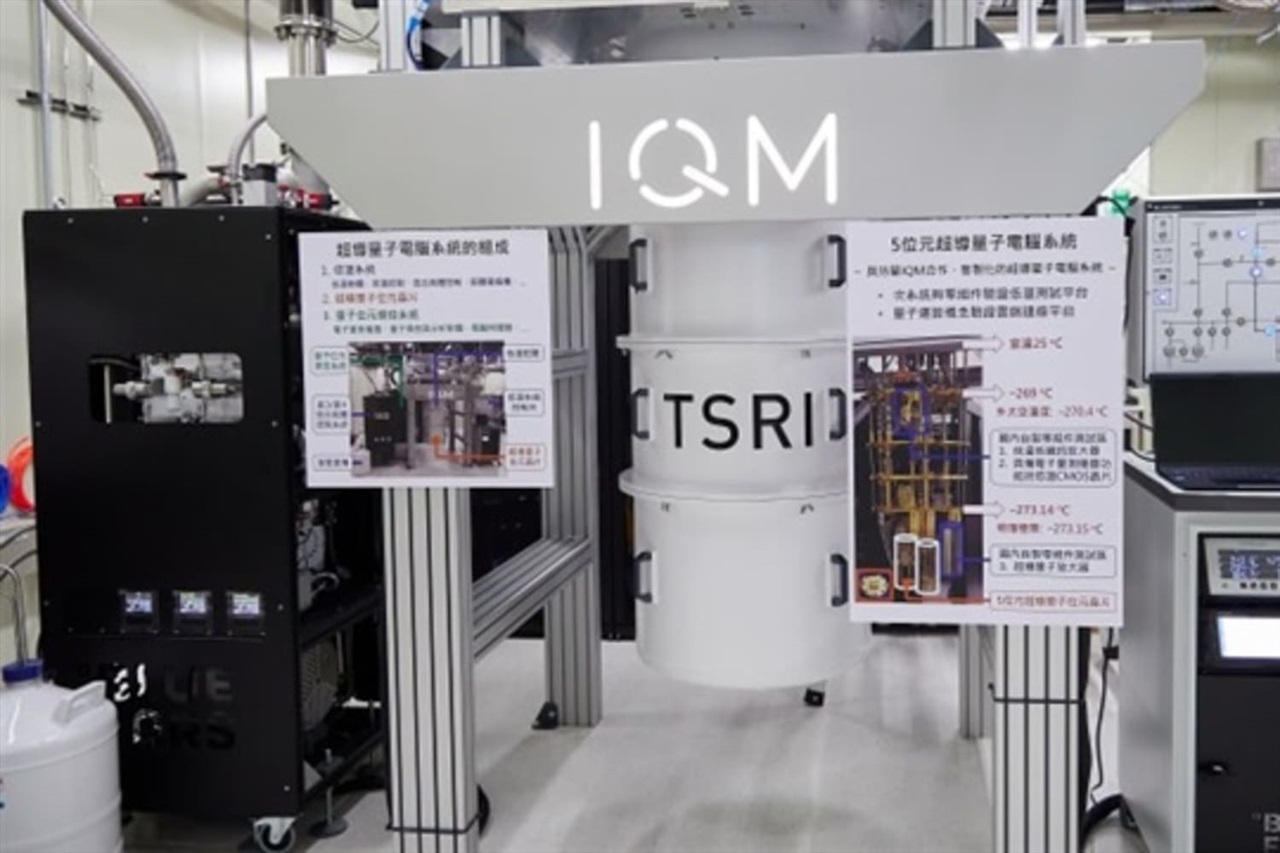
Why the sudden urgency? Because the landscape is shifting beneath our feet. We’re no longer just talking about incremental improvements in processing power. We’re talking about AI. We’re talking about a fundamental platform shift, akin to the dawn of the internet or the rise of the smartphone. AI isn’t just an application; it’s becoming the operating system for reality. And that requires immense, specialized processing power – power that is meticulously crafted in foundries like TSMC.
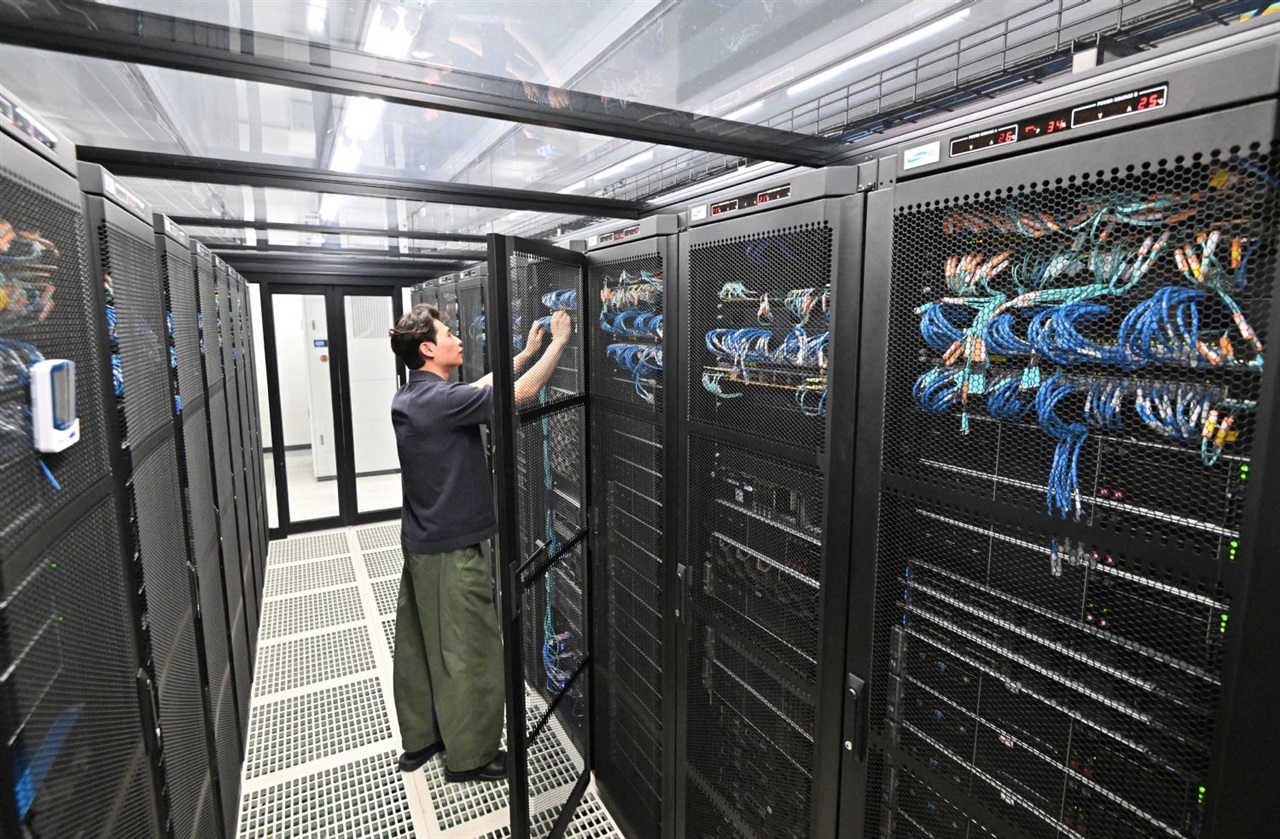
Think of it like this: before the internet, you had individual fiefdoms of information. Then the internet arrived, a universal highway, connecting everything. AI is that highway, but it also is the traffic, the vehicles, and the destination all rolled into one. It demands constant, high-bandwidth, low-latency communication between processors, memory, and specialized AI accelerators. This isn’t a desktop upgrade anymore; it’s the infrastructure of a new civilization.
And that infrastructure is built on silicon. Silicon that is, for the most part, fabricated by Taiwan. So, when the leaders of the companies that design the brains of our future are flying halfway across the world for hushed conversations, it’s not just about securing supply chains. It’s about geopolitics. It’s about the delicate dance of global power in an era where technological dominance is the ultimate currency.
We’ve seen this kind of high-stakes maneuvering before, haven’t we? The early days of the PC era, the battle for mobile dominance. But this feels… bigger. More fundamental. The demands of AI are pushing the boundaries of what’s physically possible with silicon. This means wafer yields, advanced packaging techniques, and the sheer, mind-boggling scale of manufacturing are now front-page news, not just footnotes in an analyst’s report.
Nvidia, of course, is leading the charge in AI acceleration. Their GPUs are the workhorses. But they need the cutting edge from TSMC. Intel, historically a giant in CPU design, is making a massive play to reassert its foundry capabilities and to develop its own AI solutions. AMD, a formidable competitor across the board, is also investing heavily in AI and needs its manufacturing partners to keep pace. This isn’t just about buying chips; it’s about shaping the entire technological ecosystem.
What’s truly fascinating here is the implicit acknowledgment of interdependence. These companies, fierce rivals in the market, are all deeply reliant on the same Taiwanese infrastructure. It’s like a high-stakes poker game where everyone needs the same deck of cards, and those cards are printed in Taipei.
This isn’t hype. This is the ground floor of a new technological epoch. The conversations happening behind closed doors this week are not just about next quarter’s earnings; they’re about the next decade, the next century. They’re about who will provide the silicon that powers the intelligence that will redefine our lives. And that, my friends, is a story worth watching unfold, far beyond the bright lights of Computex.
So, as we look towards Computex, remember that the real story isn’t necessarily on the show floor. It’s in the quiet rooms where the fate of global chipmaking – and by extension, the future of AI – is being subtly, but undeniably, reshaped.
The Geopolitical Heartbeat of Silicon
Let’s be clear: Taiwan’s dominance in advanced semiconductor manufacturing isn’t just a matter of industrial efficiency; it’s a critical geopolitical nexus. The concentration of TSMC’s cutting-edge fabrication plants on the island creates a unique vulnerability and use point in global affairs. The visits by these CEOs are a stark reminder of this reality. They’re not just hedging their bets; they’re engaging in a high-stakes diplomatic effort to ensure stability and continued access to a resource that is becoming as vital as oil once was.
“The conversations we’re having now are not just about next quarter’s revenue; they are about securing the foundational infrastructure for a truly intelligent future.”
This quote, while I’m paraphrasing the sentiment of the discussions, perfectly encapsulates the gravity of the situation. We’re beyond the consumer electronics cycle. We’re in the era of foundational technology, and that means the stakes are astronomically higher. It’s a fascinating, and frankly, a little bit terrifying, thought.
Why Does This Matter for Developers?
For developers, this isn’t just background noise. The capabilities and accessibility of the AI hardware you’ll be coding for are directly influenced by these high-level discussions. If access to the latest AI accelerators becomes restricted or prohibitively expensive due to supply chain pressures or geopolitical tensions, it can stifle innovation. The very tools you’ll use to build the next generation of AI applications are being negotiated about right now. Understanding the underlying hardware realities, the manufacturing constraints, and the geopolitical forces at play is becoming an increasingly important part of a developer’s toolkit.
🧬 Related Insights
- Read more: Chipmakers Push Past 1nm: Roadmap to 2046 Revealed
- Read more: [LEGO Batman] Focus Meter Strategy Revealed
Frequently Asked Questions
What are the main reasons for the CEOs’ visit to Taiwan?
The primary reasons are to strengthen relationships with Taiwanese semiconductor partners, particularly TSMC, and to ensure continued access to advanced chip manufacturing capabilities ahead of major industry events like Computex. These meetings are crucial for navigating the future of AI hardware development and supply chains.
Is this trip just about Computex?
No, while Computex is a major industry event, this trip signifies something much more significant. The closed-door meetings with top chip leaders suggest a strategic focus on long-term supply chain security, geopolitical considerations, and the foundational technologies required for the ongoing AI platform shift, rather than just product announcements.
How does Taiwan’s role in chip manufacturing impact the global AI industry?
Taiwan, through TSMC, is the world’s leading manufacturer of advanced semiconductors, including the specialized chips essential for AI development. Its dominance means that global AI progress is heavily reliant on Taiwan’s manufacturing capacity and stability, making these executive visits critical for ensuring the future availability and advancement of AI hardware.