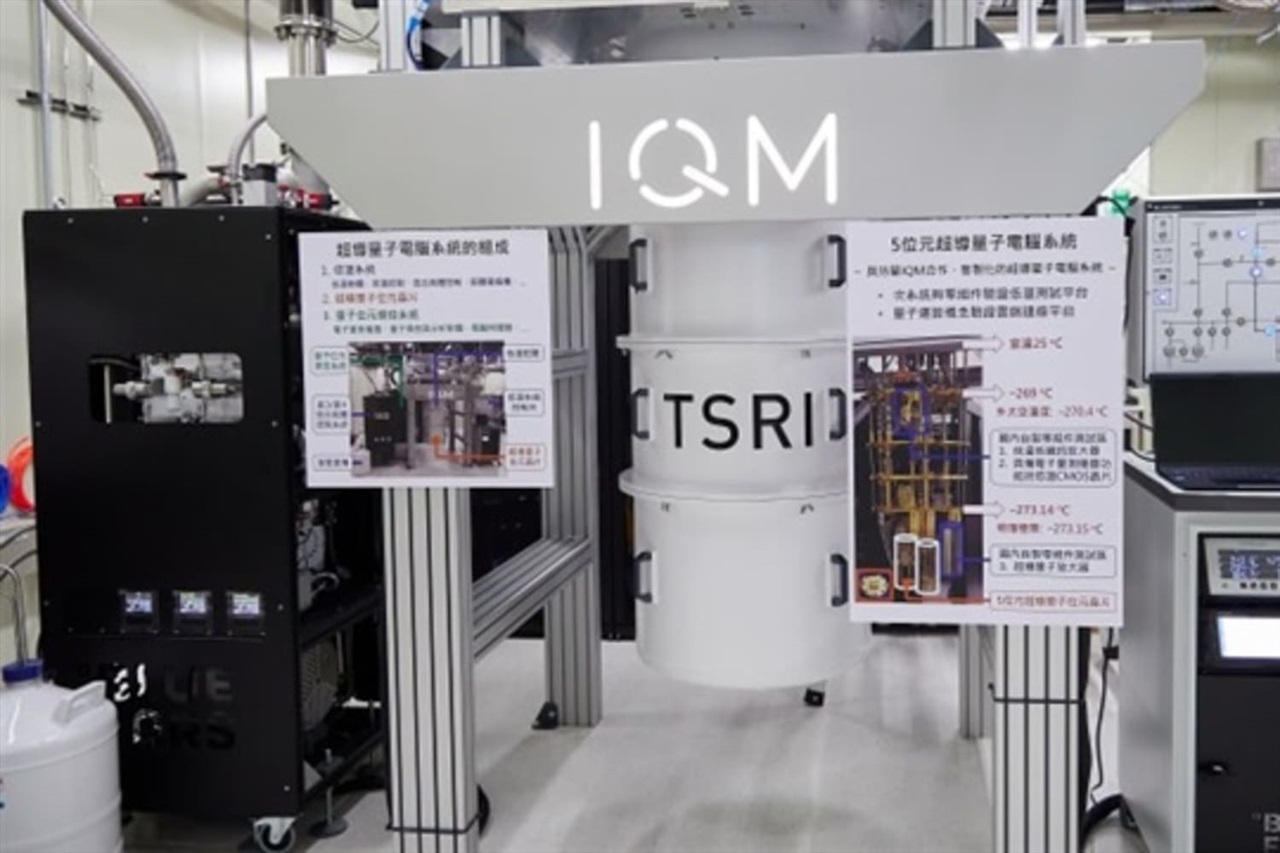
A single qubit flickers in the controlled chill of a lab, a universe of potential held within its quantum state. This isn’t just about abstract physics anymore; it’s about silicon valley dreams and national ambition.
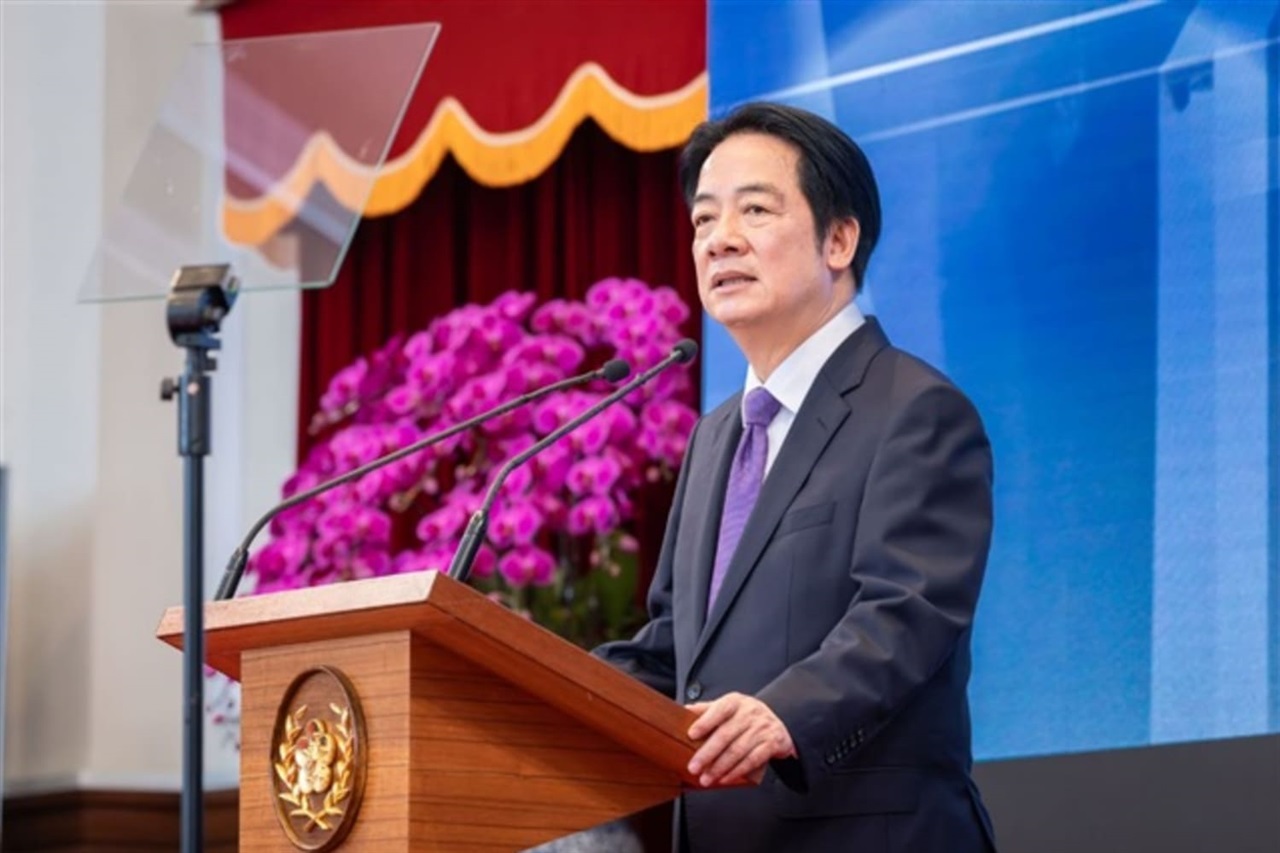
Taiwan, a global powerhouse in semiconductor manufacturing, is signaling a serious commitment to quantum technology. The island’s state-funded quantum research initiative is set to launch its second phase, slated to run from 2027 to 2031. This isn’t just a continuation; it’s a recalibration, with a laser focus on moving those flickering qubits from academic curiosity to industrial application. Shangjr Gwo, the man heading the National Science and Technology Council’s efforts, isn’t mincing words: the goal is accelerated transfer of research results to leading companies. Think less blue-sky research, more pragmatic product pipelines.
What does this actually mean on the ground? It means Taiwan isn’t content to just build the picks and shovels for the quantum gold rush; they want to be the ones striking the motherlode. The initial phase, from 2023 to 2027, laid the foundational groundwork – building expertise, understanding the fundamental challenges. Now, it’s about engineering, scaling, and, crucially, commercializing. This pivot is less about a radical departure and more about maturing a discipline, moving from ‘can we?’ to ‘how do we make this commercially viable and strategically important?’
The Finland Connection: A Quantum handshake?
And then there’s the intriguing mention of Finland. Whispers of a potential collaboration on High-Performance Quantum Computing (HPQC) with Finnish entities suggest a strategic international play. Finland, too, has been making waves in quantum research, particularly in areas like quantum sensing and computing hardware. For Taiwan, a partnership here isn’t just about sharing data; it’s about pooling resources, aligning roadmaps, and potentially creating a more unified front in the global quantum race. Imagine joint labs, shared research projects focused on developing more stable qubits or more efficient quantum algorithms. It’s a smart move, a way to de-risk some of the enormous R&D burden and tap into specialized expertise.
This isn’t a surprise, of course. The quantum computing landscape is fiercely competitive. Companies like IBM, Google, and Microsoft are pouring billions into the race, and nations are increasingly recognizing quantum’s potential impact on everything from drug discovery and materials science to cryptography and financial modeling. For a small, export-dependent economy like Taiwan, securing a leadership position in a foundational technology like quantum computing could be a significant economic and strategic boon.
“The objective is to transition from foundational research to developing deployable quantum applications and systems, building a strong quantum ecosystem in Taiwan.”
That quote, though not directly from Gwo’s most recent comments, encapsulates the ambition. It’s about building an ecosystem. That means not just labs, but the talent pipeline, the venture capital interest, the regulatory frameworks, and the market demand. The second phase is clearly designed to cultivate that fertile ground, ensuring that when the quantum breakthroughs are ready for prime time, Taiwan is not just a spectator, but a major player.
Why Now? The Pressure Cooker of Innovation
But why the urgency for this second phase to begin so soon? The stated timeline of 2027-2031, kicking off right after the first phase concludes, suggests a belief that momentum is building, and the window for market leadership is narrow. The rapid advancements in AI, for instance, have underscored the importance of next-generation computing architectures. Quantum computing, in its own way, represents that next leap. The current generation of classical computers, while powerful, will eventually hit fundamental limitations for certain classes of problems. Quantum computers promise to shatter those barriers.
This also hints at a strategic calculation regarding the global supply chain. Taiwan’s dominance in traditional chip manufacturing is a proof to its engineering prowess and industrial scale. Applying that same rigor to quantum hardware development, or the specialized materials and components needed for quantum systems, could provide a significant competitive edge. It’s about creating new value chains where Taiwan can use its existing strengths.
The ambition is palpable. The question, as always with cutting-edge tech, is whether the execution will match the vision. Will the transfer of research be smooth? Can they attract and retain the specialized talent needed? And, most importantly, will the commercial applications materialize fast enough to justify the significant investment?
🧬 Related Insights
- Read more: AI Isn’t Throttling HPC. It Is HPC [Real Challenges]
- Read more: TSMC and Sony Tease AI Sensor JV: What It Really Means
Frequently Asked Questions
What is Taiwan’s quantum research program aiming to achieve? Taiwan’s program aims to move quantum technology from basic research to practical, commercial applications and systems, fostering a strong national quantum ecosystem.
Why is Taiwan looking to collaborate with Finland on quantum computing? Collaboration with Finland on High-Performance Quantum Computing (HPQC) is likely to use complementary expertise, share R&D costs, and potentially accelerate the development of advanced quantum computing capabilities.
When will Taiwan’s quantum research program enter its second phase? The second phase of Taiwan’s state-funded quantum technology research will run from 2027 to 2031.