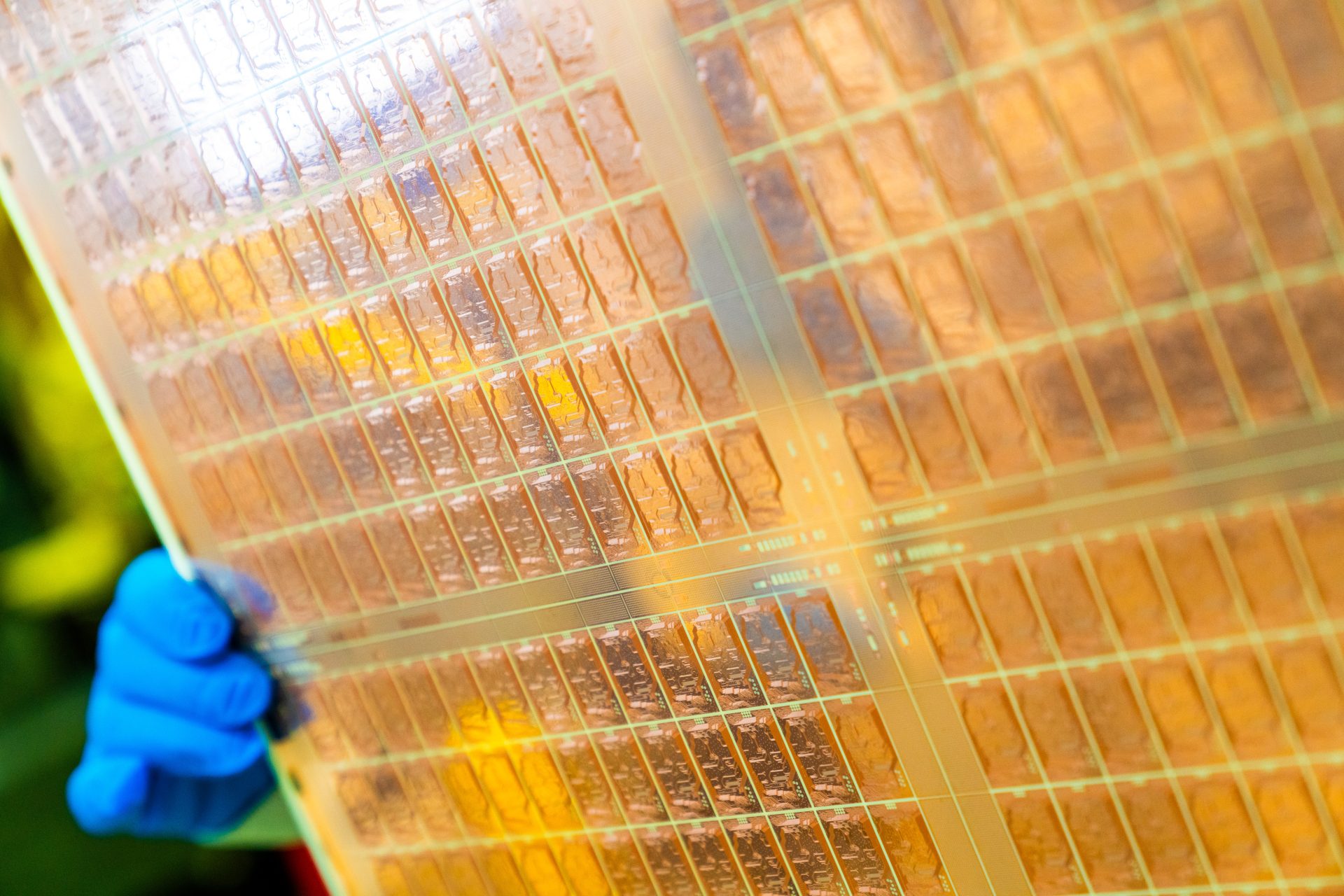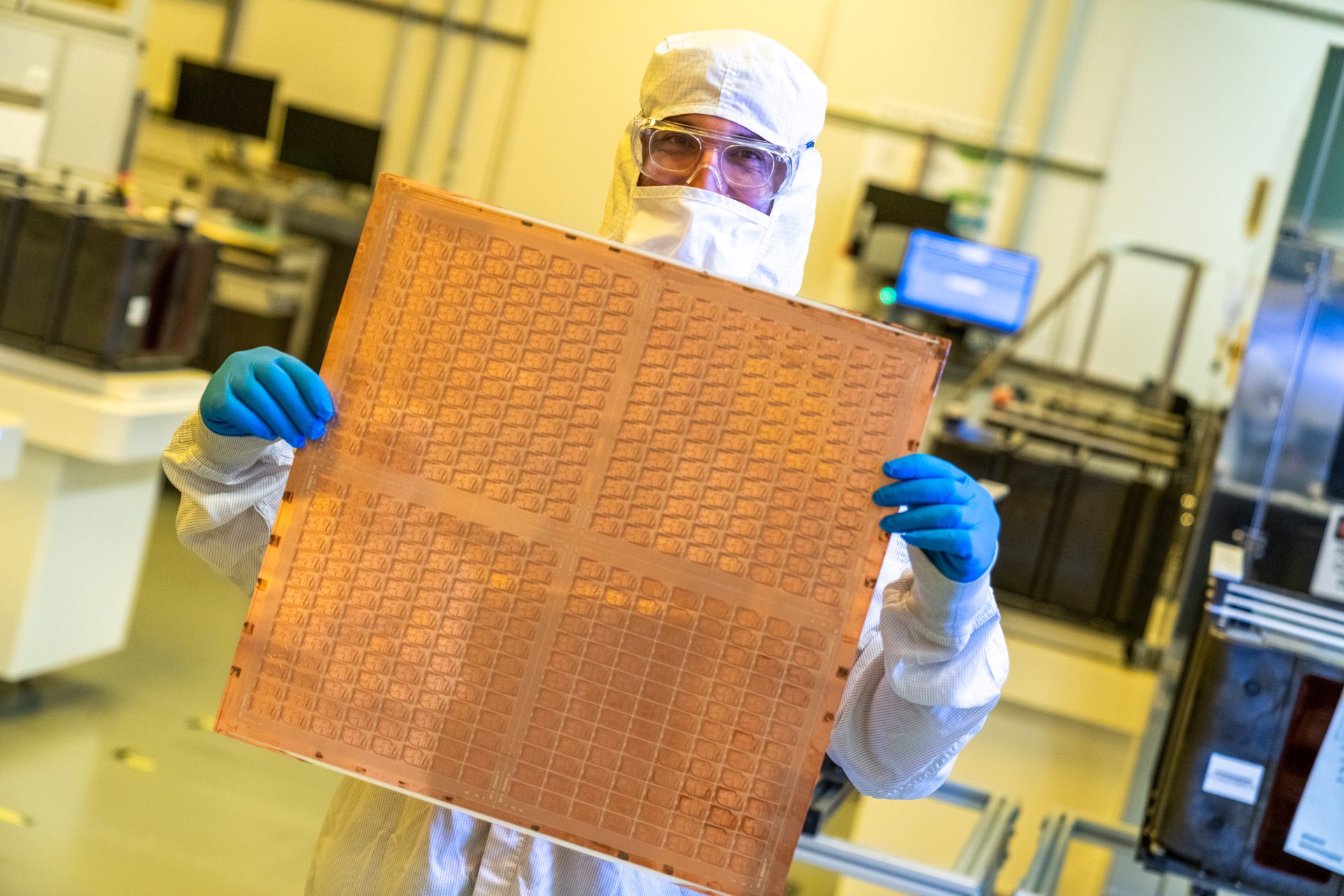
Picture a gleaming panel of glass, thinner than a credit card, holding the guts of tomorrow’s AI superchips without buckling under heat or warp.
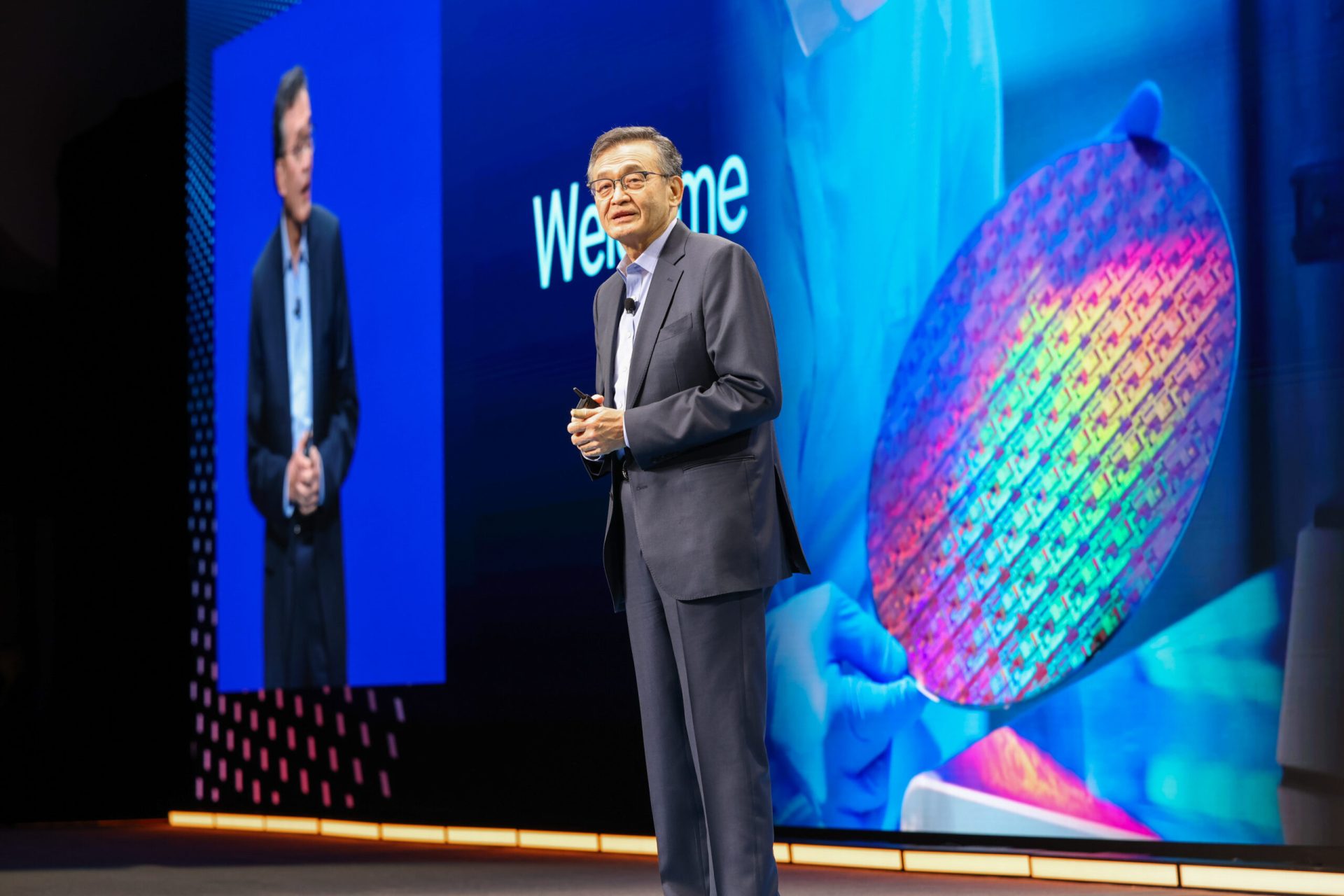
That’s the scene at Seoul’s Elec conference, where Amkor’s Yoo Dong-soo dropped the timeline: glass substrates, Intel’s radical pivot from organic laminates, will commercialize within three years. And it’s not hype — this tech targets the chokepoints strangling today’s chip giants.
Why Glass Substrates Could Crush CoWoS Limits
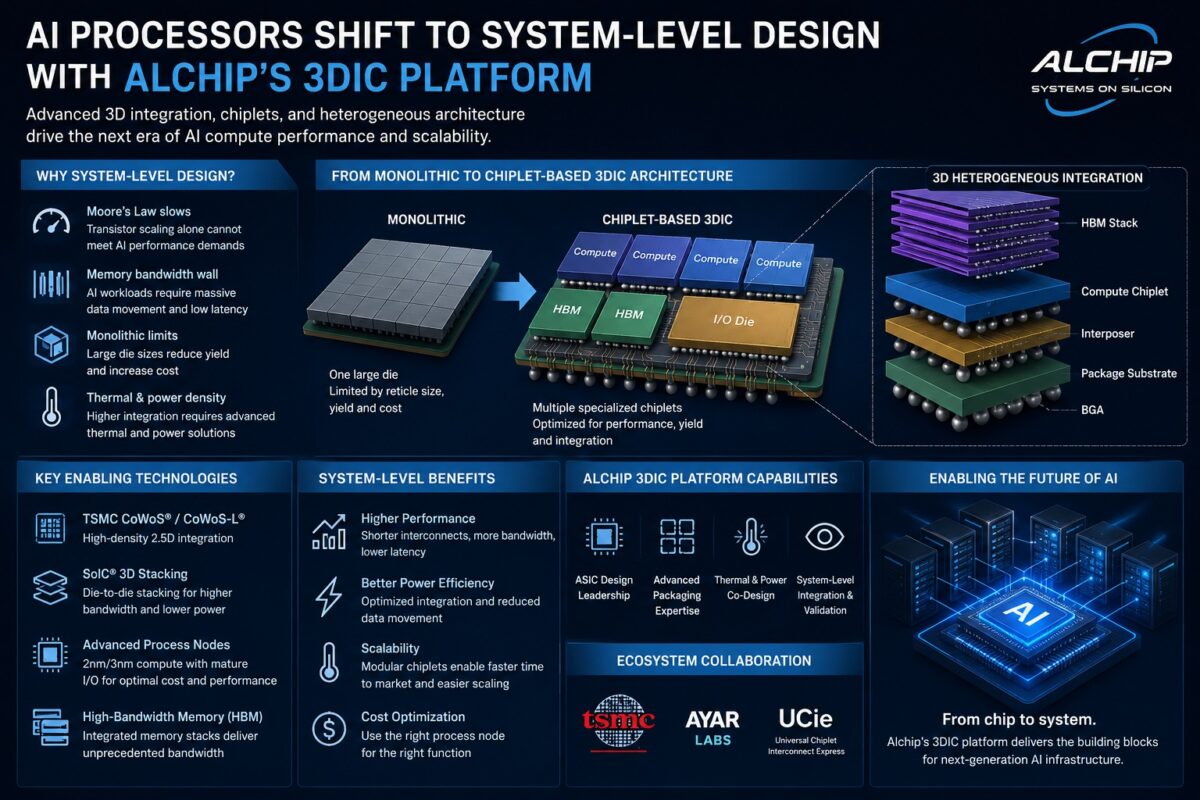
TSMC rules advanced packaging with CoWoS, its 2.5D wizardry stacking HBM memory and logic dies side-by-side. But scale it up — think OpenAI’s EMIB hacks or TSMC’s 2029 behemoths with 24 HBM stacks on >14-reticle fields — and cracks appear. Complexity skyrockets. Costs balloon. Production drags past a month per chip, thanks to redistribution layers (RDL) that twist under thermal stress, warping substrates like a bad vinyl record.
Glass steps in as the stiff, unyielding hero. Flat. Thermally stable. Deformation-proof. Amkor’s team leader nailed it:
“In the past, there were doubts about whether glass substrates could withstand the stress received during packaging, but technological stability is being secured,” said Team Leader Yoo. “We expect them to be commercialized within three years.”
Yoo Dong-soo knows substrates; Amkor’s Intel’s glass whisperer.
Intel demoed its first “Glass Core” with EMIB tech — embedding bridges for die-to-die links — priming it for AI monsters. Pat Gelsinger kicked this off; new CEO Lip-Bu Tan’s doubling down, shrugging off ditch rumors.
Three years feels like yesterday in semi cycles, yet it’ll flip the script.
Is Glass Substrates Intel’s Foundry Lifeline?
Advanced packaging isn’t optional — it’s the moat for foundries chasing AI’s hunger. HBM counts explode: 8-high today, gunning for 12, 16, even 24 stacks. But organic substrates bow under the load, signaling yield-killers and thermal nightmares.
Enter glass: superior conductivity for signals, less warpage for stacking, faster fab times sans RDL mazes. It’s like swapping parchment for steel in a pressure cooker — holds form, sheds heat, scales to SoW-X dreams (>40 reticles, 60+ HBM). Amkor’s betting big, with majors sniffing around.
Here’s the unique edge this story misses: think back to the copper interconnect revolution in the ’90s. Aluminum lines choked at 0.25-micron nodes; copper blasted through, fueling Moore’s Law another decade. Glass substrates echo that — not evolutionary tweaks, but a substrate regime change, potentially vaulting Intel Foundry past TSMC’s CoWoS fortress by 2028. Bold? Sure. But if Amkor’s clock holds, Intel snags AI leadership while TSMC scrambles.
Skeptics linger — glass brittleness in fab? Scaling yields? Cost parity? Yoo swats them: stability’s locked. Still, Intel’s PR machine loves the gleam; reality demands proof-of-concept runs at scale.
What Happens When Glass Hits Prime Time?
Compute explodes. A single package crams logic, HBM4 (or 5?), optics maybe — all warp-free. Data centers gulp less power; AI trains faster. Bottlenecks? Vaporized. Foundry wars intensify: TSMC eyes glass too, Samsung lurks, but Intel-Amkor’s head start glints.
Thermal management flips — glass’s CTE (coefficient of thermal expansion) matches silicon closer than organics, slashing stress cracks. Connectivity? Wider pitches, finer lines. Transmission? Z-direction signals zip without lossy organics.
Yet it’s no silver bullet. Upstream glass supply — Corning? AGC? — must ramp. Tooling rewrites. Ecosystem buy-in takes quarters. Three years commercial? Pilots first, volume second.
The wonder hits here: AI’s platform shift demands this. Chips aren’t transistors anymore; they’re integrated beasts. Glass isn’t a tweak; it’s the canvas for exascale AI, echoing how fiber optics rewired telco. Intel, if it nails execution, reclaims the forge.
Why Does Glass Matter for AI Chipmakers?
HBM integration hits walls — CoWoS caps at 12 stacks reliably now; glass unlocks 20+. Mechanical reliability soars, yields climb, costs dip post-ramp. For OpenAI, hyperscalers: cheaper, denser AI silicon means trillion-parameter models train in weeks, not months.
Intel Foundry eyes this as its wedge. TSMC’s king, but glass democratizes mega-packages — smaller players join without RDL hell.
Amkor’s Yoo seals the optimism. Commercialization looms. The semi world braces.
**
🧬 Related Insights
- Read more: NVIDIA IGX Thor: The Blackwell Beast Slamming into Factories and Surgery Suites
- Read more: Broadcom’s 200T AI Backbone: The Chips Lighting Up Gigawatt Superclusters
Frequently Asked Questions**
What are glass substrates in chip packaging?
Ultra-thin glass panels replacing organic laminates for mounting dies and HBM, offering better flatness, thermal stability, and scalability for AI chips.
When will glass substrates be commercially available?
Amkor predicts within three years, with Intel leading pilots via its Glass Core tech.
Will glass substrates beat TSMC’s CoWoS?
Potentially — superior stress handling and fab speed could cut costs and enable larger stacks, challenging CoWoS dominance by late 2020s.