So, everyone was expecting more of the same. Shrink the transistors, cram more onto the die, hope for the best. Moore’s Law, bless its silicon heart, has been the industry’s lullaby for decades. But the lullaby’s getting a bit hoarse. Gains are slowing, costs are stubbornly refusing to tumble, and frankly, engineers are starting to look a little pale. And then, out of Shanghai, Huawei drops this Tau (τ) Scaling Law bomb. It’s not about making transistors tinier; it’s about making them faster and more efficient by shrinking signal propagation and execution time. Think less about a smaller car and more about a car that somehow gets you there in half the time without burning more fuel. That’s the gist of Tau.
Is This Just More Corporate Hype?
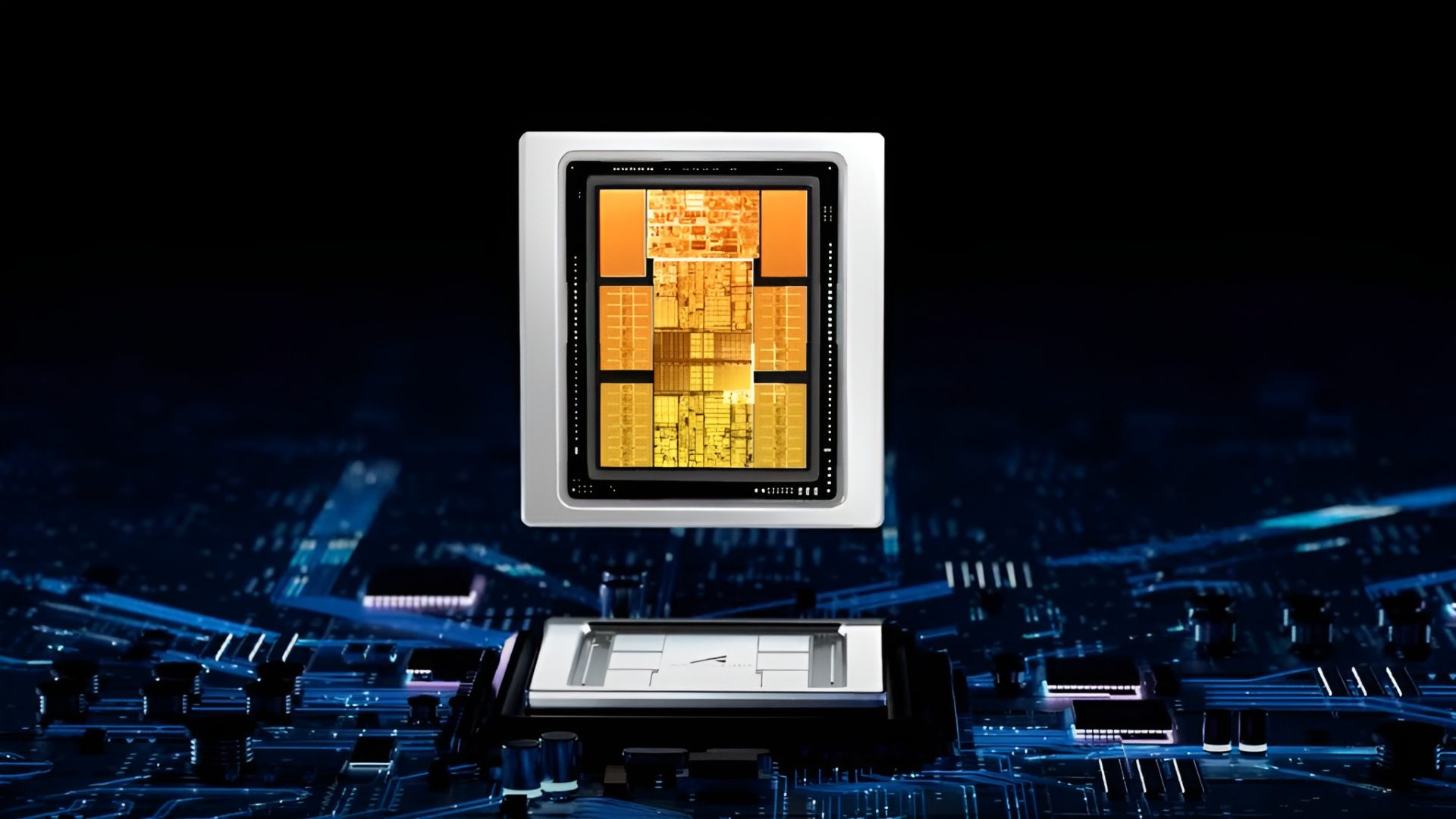
Huawei, a company that’s no stranger to a bit of PR flair, claims this isn’t just wishful thinking. They’ve apparently been baking this into their chips for six years, churning out 381 designs across various industries. They’re talking about ‘LogicFolding’ – a fancy term for rejigging chip layouts to slash those pesky signal paths, thereby reducing resistance and capacitance. It sounds like rearranging furniture in a very crowded room to make it easier to walk through. The goal? To minimize physical-layer delay. Easy to say, harder to do.
Why Does This Matter for Developers?
At the chip level, it’s about smarter design orchestration. Coordinated software, architecture, and silicon – a holy trinity of sorts – to boost parallelism and slash end-to-end execution time. And at the system level? They’re touting something called UnifiedBus, an interconnect protocol designed to make large-scale computing systems (like their SuperPods, naturally) communicate faster by offering unified memory addressing and native memory semantics. Less latency, more throughput. For developers, this could mean more headroom, potentially faster execution for complex workloads, and maybe—just maybe—a slight reprieve from the constant treadmill of optimization just to get basic tasks done.
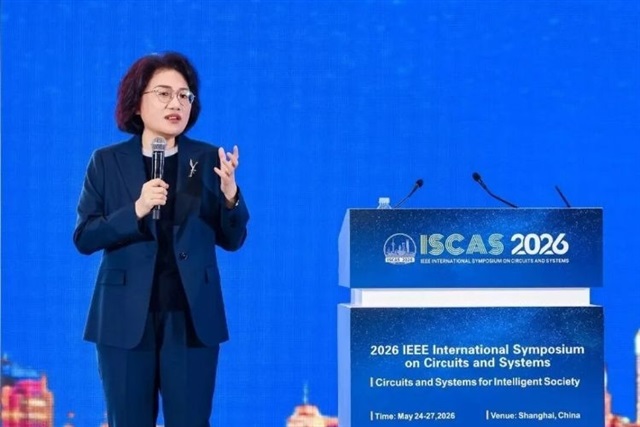
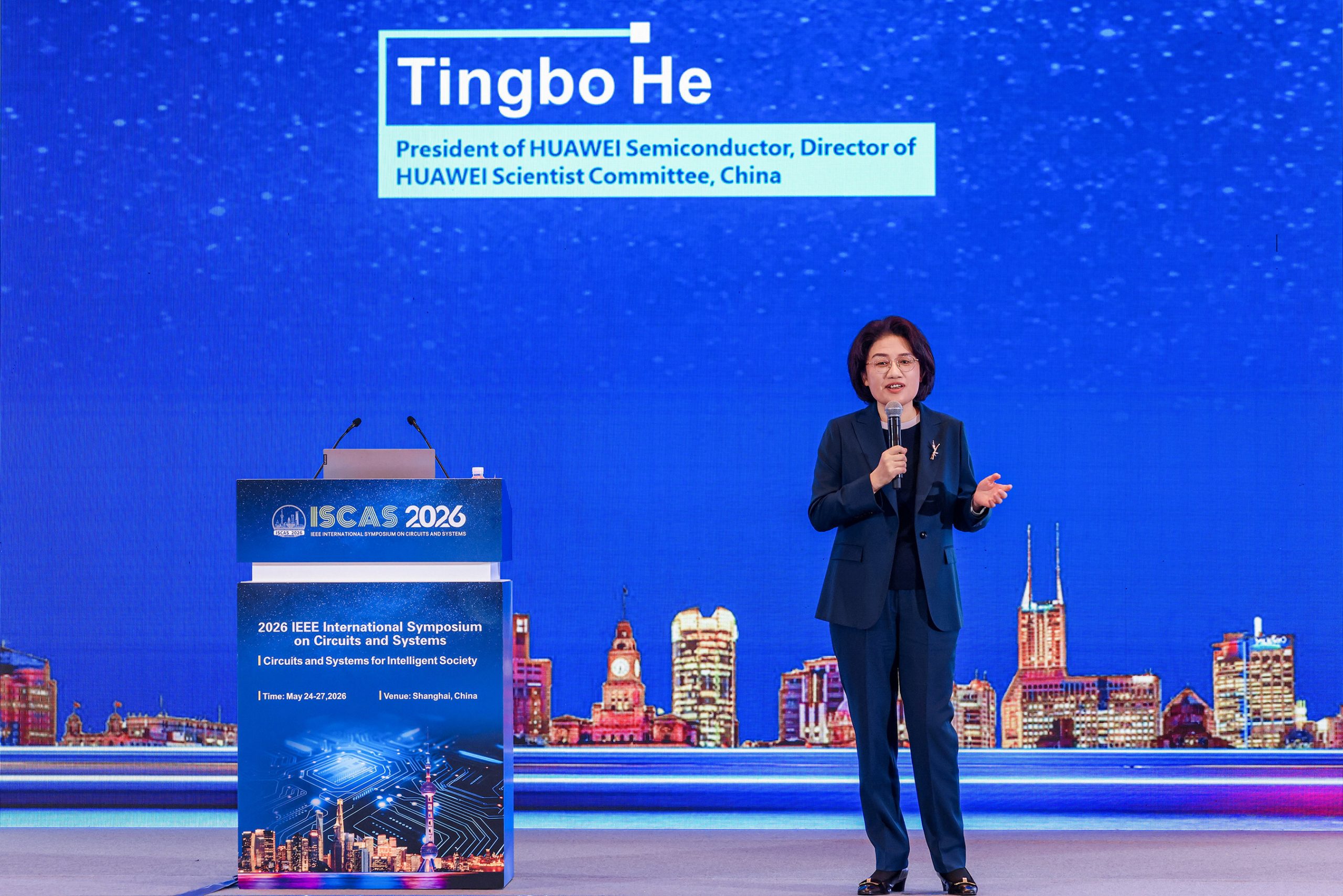
He Tingbo, the brain behind this, is even being called ‘Her’s Law’ by her peers. A nice touch, but let’s focus on the tech. Huawei projects that by 2031, chips under this Tau framework could hit transistor densities comparable to a 1.4nm process. That’s a big ‘if’, especially considering the geopolitical headwinds they’re facing. But if it’s even half true, it’s significant.
He concluded by emphasizing that collaboration will be essential for future progress, saying no single company can solve the challenges of semiconductor evolution alone.
A noble sentiment, especially from a company often perceived as going it alone. It’s certainly a more collaborative approach than some others we’ve seen in this space. But let’s be clear: this isn’t just a theoretical exercise. Huawei’s Kirin processors, slated for a fall 2026 release, will be the first to sport this LogicFolding architecture. That’s the real test. Will it actually deliver the performance boost they’re promising, or will it be another case of ambitious claims meeting reality?
This shift from purely geometric scaling to time-based efficiency is fascinating. For years, we’ve measured progress in nanometers. Now, we’re talking about reducing signal delays. It’s a subtle but critical change in mindset. It suggests the industry is hitting fundamental physical limits and needs to get smarter, not just smaller. The irony is that while the West frets about supply chain security and manufacturing capacity, China’s Huawei is pushing an entirely new architectural paradigm. This isn’t just about better smartphones or AI chips; it’s about a potential redefinition of how we think about semiconductor progress itself. It’s a bold move, and one that demands our skeptical attention.
Will This Replace Moore’s Law?
It’s too early to say definitively. Tau Scaling Law offers an alternative path, focusing on efficiency and speed rather than just shrinking transistors. It addresses the slowing gains of traditional scaling.
What is LogicFolding?
LogicFolding is a Huawei technology that restructures chip layouts to shorten critical signal paths. This aims to reduce electrical resistance and capacitance, thereby improving circuit performance and transistor density.
When Will We See Tau Scaling in Action?
Huawei’s Kirin processors, expected in fall 2026, will be the first to utilize the LogicFolding architecture, a key component of the Tau Scaling Law.