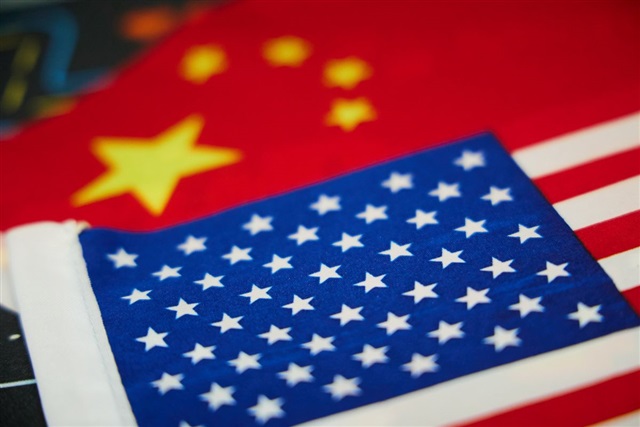
The air crackled with the energy of possibility, then — thud. A supply chain chokehold, tightening its grip just as the engines of advanced tech were ready to roar. GCS Holdings is sounding the alarm, and it’s a deep, resonating clang about indium phosphide (InP) export controls. This isn’t just a ripple; it’s a potential tsunami threatening to swamp optical and RF component makers worldwide.
Look, we’ve been talking about the compound semiconductor renaissance for a hot minute. These aren’t your grandma’s silicon chips; InP is the stuff of high-speed lasers, terahertz communications, and the whisper-quiet efficiency demanded by next-gen data centers and advanced radar. It’s the essential ingredient for a future built on speed and sophistication. And GCS, they’ve been doing the sensible thing, securing capacity, weaving a more resilient mix of suppliers. They’ve been playing chess while others were playing checkers. But even the most brilliant strategist can be blindsided by a global policy shift.
This is where the excitement gets tempered by a stark reality. The promise of InP’s unique properties — its direct bandgap for optoelectronics, its high electron mobility for RF applications — is being held hostage by trade restrictions. It’s like having the blueprint for a warp drive but being denied the exotic fuel needed to make it go. GCS Holdings specifically highlighted this export risk, even as they’ve pushed forward with their own capacity expansions and sourcing diversification. They’re doing their homework, but the specter of government-imposed limitations looms large.
Why Does This Matter for Innovation?
Here’s the thing: this isn’t just about profit margins or a slight hiccup in production schedules. This is about the pace of innovation itself. Think of InP as the specialized, high-octane fuel for the most advanced engines of our digital age. When that fuel is rationed or cut off due to geopolitical maneuvering, the entire innovation vehicle sputters. That means delays in 5G rollout, slower advancements in high-speed internet, and potentially a bottleneck for the very AI accelerators that are consuming bandwidth at an alarming rate. The world’s appetite for data and speed is insatiable; export controls on a critical material like InP are like throwing a blanket over a bonfire.
The company said it has secured capacity and diversified sourcing, but acknowledges that export controls on InP remain a significant risk to the global supply chain for compound semiconductors.
It’s a classic supply chain tightrope walk, isn’t it? Companies scramble to build resilience, to find alternative routes, to bolster their own defenses, only to find the rug pulled out from under them by the unpredictable currents of international relations. GCS isn’t just reporting a problem; they’re articulating the very real fear that the progress they and others are striving for could be deliberately stifled. It’s a geopolitical tremor that sends shockwaves through the very foundations of technological advancement.
Is This Just Corporate Fearmongering?
Is this just GCS Holdings trying to manage market expectations, or is there genuine substance to their concerns? Based on the historical patterns of trade restrictions impacting semiconductor materials, the concern is legitimate. We’ve seen this play out before with rare earth elements and other specialized components. When a government decides to wield export controls as a geopolitical tool, the effects can be far-reaching and, frankly, devastating for the industries that depend on those materials. The complexity of the InP supply chain, with its specialized manufacturing processes and limited number of primary producers, makes it particularly vulnerable to such measures. This isn’t a commodity chemical that can be swapped out with a shrug; it’s a highly specialized material with specific purity and structural requirements. The company’s proactive moves to secure capacity and diversify are smart, but they can’t entirely insulate them from government-level decisions.
The message from GCS is clear: while they are building fortresses in terms of their own operations, the external landscape is fraught with peril. The future of optical and RF components, the very building blocks of our connected world, hinges precariously on the delicate dance of international trade policy. It’s a stark reminder that even the most advanced technological leaps are inextricably linked to the complex, often volatile, realities of global geopolitics. And right now, those realities are casting a long shadow over the bright promise of indium phosphide.