Does your thousand-dollar phone feel sluggish after a year? Samsung’s latest speed test, a sprawling comparison of the new Galaxy S26 Ultra against five of its ancestors, aims to answer that very question. Spoiler alert: it’s mostly déjà vu, with a few milliseconds separating the pretenders from the actual king. And frankly, that’s the real story here.
Faster, But By How Much?
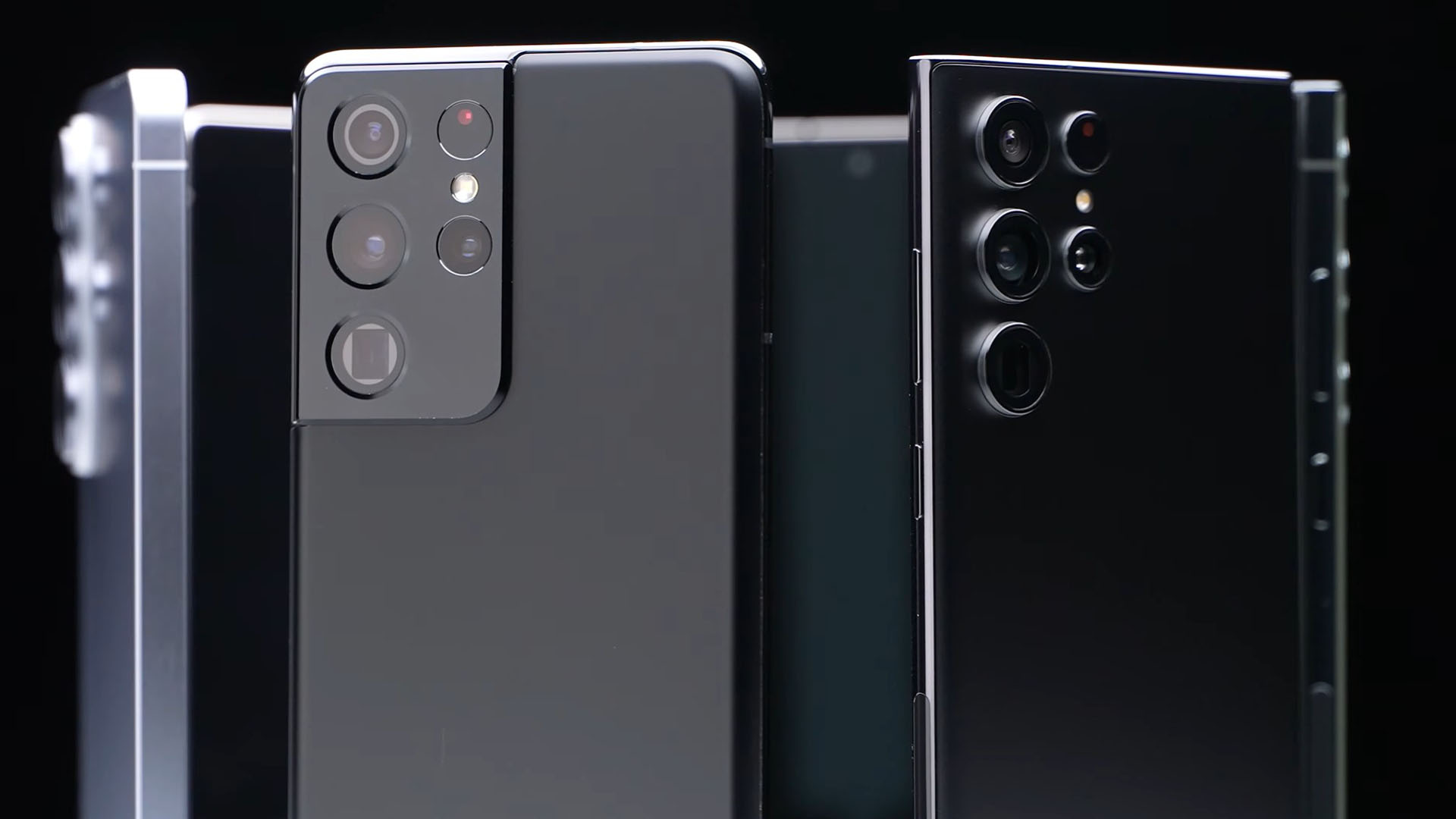
Let’s cut to the chase. PhoneBuff, the YouTuber brave enough to undertake this marathon of app-opening and file-transferring, pitted the S26 Ultra against the S25, S24, S23, S22, and S21 Ultra models. The results, laid out with agonizing precision, show an incremental crawl forward. The S26 Ultra eked out a win, clocking in at 4 minutes and 42 seconds. That’s a whole ten seconds faster than the S25 Ultra. Ten. Seconds. Over five generations.
The Galaxy S26 Ultra is the unsurprising victor of this gauntlet with a 10-second victory over the Galaxy S25 Ultra.
This isn’t exactly a quantum leap. It’s more like a polite shuffle. And for many, that’s perfectly fine. Most users won’t notice the difference between opening a dozen apps in five minutes versus four minutes and fifty-two seconds. It’s the equivalent of shaving a few seconds off your morning commute; nice, but hardly life-altering.
The RAM Conundrum: Still Stuck at 12GB?
A particularly galling aspect of this whole exercise is Samsung’s stubborn adherence to 12GB of RAM across most of its Ultra lineup. Yes, even the brand-spanking-new S26 Ultra is capped at that figure. Only the S23 Ultra gets a pass, inexplicably dropping to 8GB (and posting a middling time because of it). This is where the real criticism should land. For all the talk of AI models and demanding workloads, a 12GB ceiling feels… dated. It’s like putting a Formula 1 engine in a car with bicycle tires.
This is where the narrative Samsung is selling starts to fray. They’re pushing AI features, demanding more processing power, yet hamstringing the very component that allows those processes to run smoothly and simultaneously. It’s a bizarre self-inflicted wound. We’re not asking for 32GB in a phone, but a jump to 16GB on the top-tier model seems like a no-brainer, especially when rivals are inching that way.
Is the Chipset All That Matters?
Apparently, according to this test, yes. The chip upgrades — Snapdragon 8 Gen 1, Gen 3, and the Elite variants — are clearly doing the heavy lifting. When it comes to those “ultra-taxing workloads” like AI models (whatever that actually means in day-to-day use beyond buzzword bingo), the newer silicon pulls ahead. But the marginal gains between, say, the S24 Ultra and the S26 Ultra suggest diminishing returns. The real bottleneck, for so long, has been memory and how the system manages it. Samsung seems content to coast on chipset improvements, leaving RAM in the slow lane.
Why Does This Matter for Developers?
For developers building apps, this means continued optimization for a wider range of devices. While the S26 Ultra is the shiny new toy, a significant chunk of users still operate on older hardware. The slight differences in performance highlight the challenge of creating truly universal experiences. However, the push towards AI integration means developers need to consider how their applications will use more advanced processing, even if the hardware isn’t always keeping pace perfectly. It’s a balancing act between cutting-edge potential and everyday reality.
The “Deal” and the Future
And then there’s the marketing fluff. The S26 Ultra is available for a “mouth-watering $250 off.” This isn’t a sign of the phone’s inherent value; it’s a proof to how quickly these devices depreciate and how often retailers are willing to slash prices to move inventory. It underscores the incremental nature of these upgrades. If the jump was truly revolutionary, would they need to offer such deep discounts so soon?
One hopes for a more substantial leap with the S27 Ultra. Perhaps a real chipset upgrade — the hypothetical Snapdragon 8 Elite Gen 6 Pro sounds suitably aggressive — coupled with a sensible RAM increase. Until then, upgrading from an S23 Ultra to an S26 Ultra might feel less like stepping into the future and more like a very expensive side-step. The bar, it seems, is being raised… very, very slowly.
🧬 Related Insights
- Read more: AMD Driver Bug: Silent GPU Overheating
- Read more: Nan Pao’s Record April Revenue Fuels Specialty Materials Push
Frequently Asked Questions
What is the fastest Samsung Galaxy S Ultra model? The Samsung Galaxy S26 Ultra is the fastest model in the recent speed test, beating out five of its predecessors.
Does RAM matter in speed tests? Yes, RAM is a crucial component in determining a phone’s speed, especially in multitasking and handling demanding applications. The S23 Ultra’s dip in performance is attributed partly to its lower RAM capacity.
Are older Samsung phones still usable? Absolutely. While newer models offer speed improvements, older generations like the S21 Ultra and S22 Ultra remain capable devices for everyday tasks, especially with significant price drops.