Rain pelts the windows of a dimly lit Santa Clara bar, where grizzled chip vets nurse whiskeys and eye their phones: Intel’s market cap, $305 billion, highest in 25 years.
And just like that, the stock’s up 3.5 times from its mid-April gutter. Up 2.8 times since the U.S. government whispered about grabbing a 10% stake. World’s 48th most valuable company now — trailing the usual suspects like ASML and AMD, sure, but lapping IBM and Texas Instruments.
Here’s the thing. This isn’t some organic explosion from shipping boatloads of chips. Nah. It’s a cocktail of announcements: Google’s vow to stick with Xeon processors for years, that mysterious TeraFab tie-in with Musk (because why not throw Elon into the mix?), and a barrage of AI narratives painting Intel as the next big thing in silicon for the singularity.
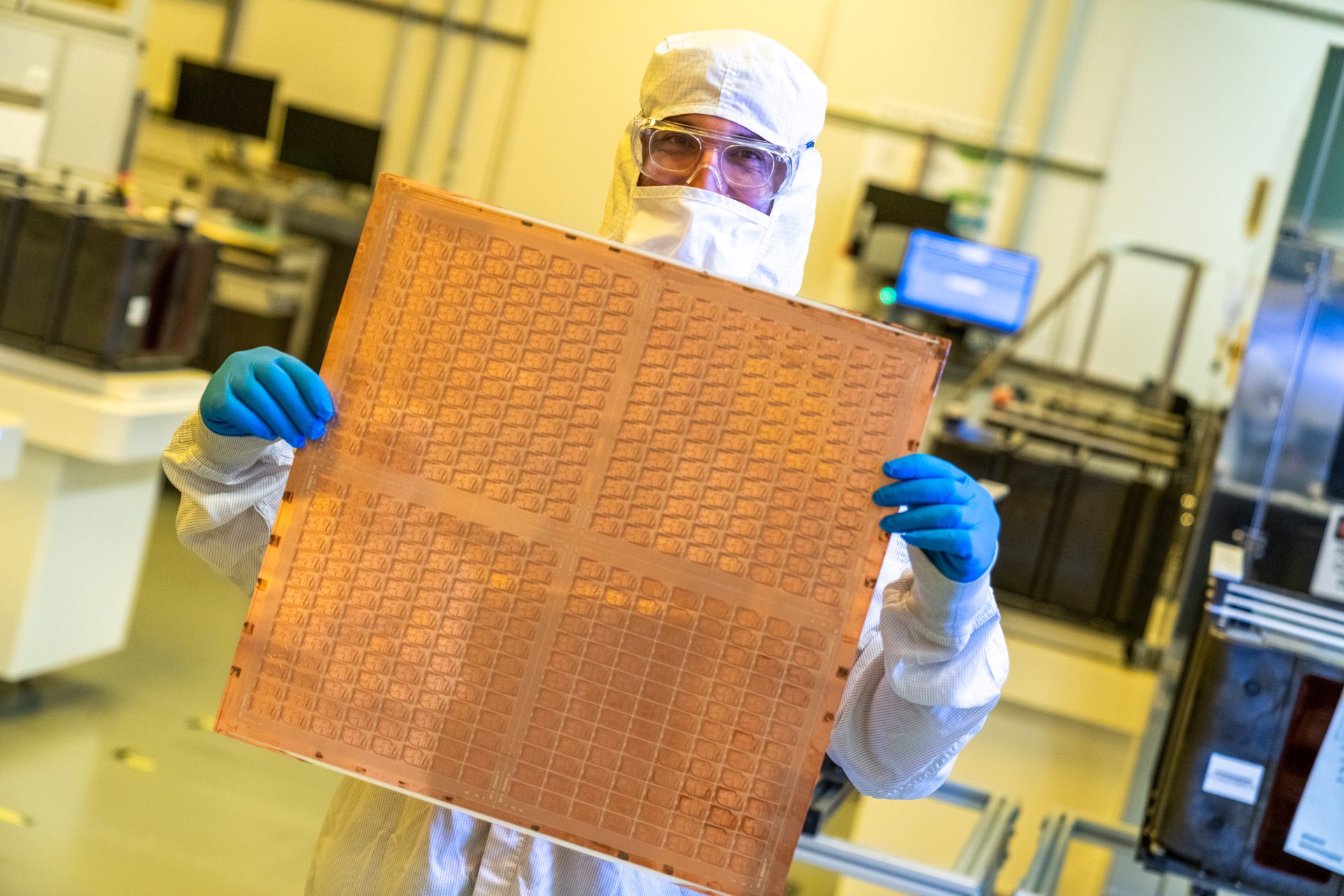
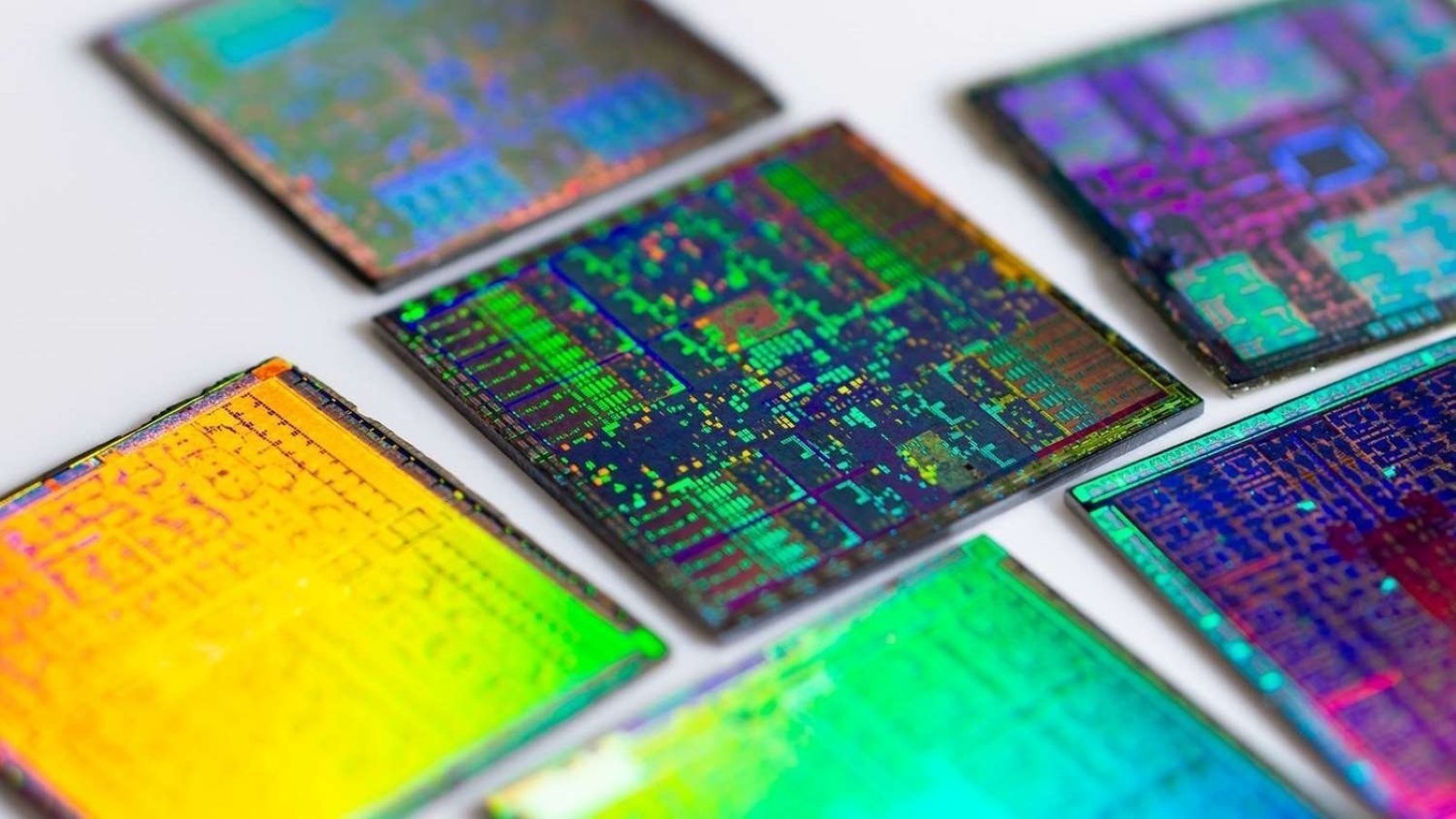
With production of Core Ultra 300 ‘Panther Lake’ and Xeon 6+ ‘Clearwater Forest’ ramping at Intel’s fab in Arizona, Intel is seemingly on the right track to recovery in the coming years.
Tom’s Hardware nails it there — ramps in Arizona, government backing, Big Tech nods. Feels good, right? But I’ve been chasing Valley hype since the days when “multimedia” meant a Sound Blaster card. Intel’s peak was $502 billion in 2000, dot-com fever dream when they owned PCs and servers. Adjust for inflation? A trillion bucks. Today’s $305 billion beats recent highs — $257 billion in 2018 on data center dominance, $273 billion in 2020 cloud boom — but it’s no empire strike back.
Why Is Intel’s Market Cap Surging to $300 Billion Now?
Look, stocks don’t climb on earnings alone anymore — especially not Intel’s, which have been a bloodbath. This is narrative fuel. Google’s Xeon commitment screams “we’re not ditching x86 yet,” undercutting AMD’s Epyc rampage. TeraFab? Musk’s fingerprints all over it, promising Intel’s foundry can crank high-performance beasts at scale. Add AI buzz — every Xeon pitch now mentions inference or training edges — and investors lap it up.
But cynicism check: Who’s actually making money here? Not Intel’s fabs, bleeding cash. Not the CPU designers, playing catch-up to Arm and TSMC’s nodes. Nah, it’s the suits spinning roadmaps, the VCs betting on survival, and day traders riding Elon tweets. The stock tanked so low it undervalued the fabs themselves — basic math said bounce if they don’t implode.
One paragraph wonder: History rhymes.
Remember Centrino? This Feels Eerily Similar — And That’s My Warning
Back in 2003, Intel hit $219 billion (pre-inflation) on Centrino, conquering laptops overnight. Actual products, real market share. Today? It’s vibes. AI applicability demos, foundry ambitions, process tech promises. No dominance — just “mid-term roadmaps.” My unique take, after 20 years ringside: This mirrors 2000 more than 2003. Dot-com peak was expectations of endless growth, not shipped volume. Intel’s now a foundry hopeful, execution-sensitive, betting on CHIPS Act cash and Musk magic. Bold prediction: If TeraFab flops (Elon’s track record with partners? Spotty), or if AI shifts to custom silicon, we’re back to $100 billion blues by 2027.
Production ramps help — Panther Lake, Clearwater Forest in Arizona. Government’s 10% stake? Nationalism play, securing U.S. chips amid China wars. But peers like Applied Materials and Lam are valuation kings for a reason: They make the tools, not the risky bets.
Skeptical vet mode: Investors won big if they bet bottom-fisher. “If the company survived, stock goes up,” as one commenter put it. No insider trading needed — just guts. But cut the crap on “luck.” This is gambling on narratives, not fundamentals.
Will Intel’s Foundry Dreams Finally Pay Off?
Foundry’s the holy grail — Intel 18A node, packaging prowess. TeraFab nods to design-produce-package scale. Google’s multi-year Xeon deal buys time. AI sector? Everyone’s shoveling GPUs, but Intel pitches CPUs for the “rest” — edge, inference, whatever.
Yet, execution’s the killer. Pat Gelsinger’s “IDM 2.0” was bold, but delays piled up. TSMC laps them on nodes; Samsung stumbles too, but Intel? They’re the turnaround story du jour. Market cap says optimism renewed. Earnings? Crickets.
Wander a bit: Valley’s full of ghosts. Qualcomm nearly died; Nvidia rose from ashes. Intel’s got fabs — real assets — undervalued at lows. U.S. policy shields them. But Musk tie-in? Elon’s a hype machine; Tesla-Fab whispers could fizzle like Hyperloop.
Short para. Momentum matters.
Dense dive: Compare valuations. ASML at $400B+ for EUV monopoly. AMD $250B on Epyc/Zen wins. Intel’s $305B? Discounted bet on recovery. Up from August 2025 gov stake news. Trails semi peers but leads legacy like IBM. Reflects shift: From CPU king to mature player chasing AI gold.
PR spin callout: “Right track to recovery.” Sure. But “not out of the woods” — understatement. Investors ignore execution risks for story.
🧬 Related Insights
- Read more: Nutanix Pushes GPU Virtualization as VMware’s Nightmare Deepens
- Read more: Exascale Arms Race: US Supercomputers Gear Up for AI Supremacy — But at What Cost?
Frequently Asked Questions
What caused Intel’s market cap to hit $300 billion?
Google’s Xeon commitment, Musk’s TeraFab partnership, AI narratives, and Arizona fab ramps — plus gov backing.
Is Intel’s stock a good buy now?
Depends on risk tolerance. Narrative-driven surge, but foundry execution key. Bottom-fishers won; chasers might burn.
How does Intel’s current valuation compare historically?
Highest since 2000 dot-com peak ($502B then). Beats recent highs like 2020’s $273B, but far from inflation-adjusted trillion.