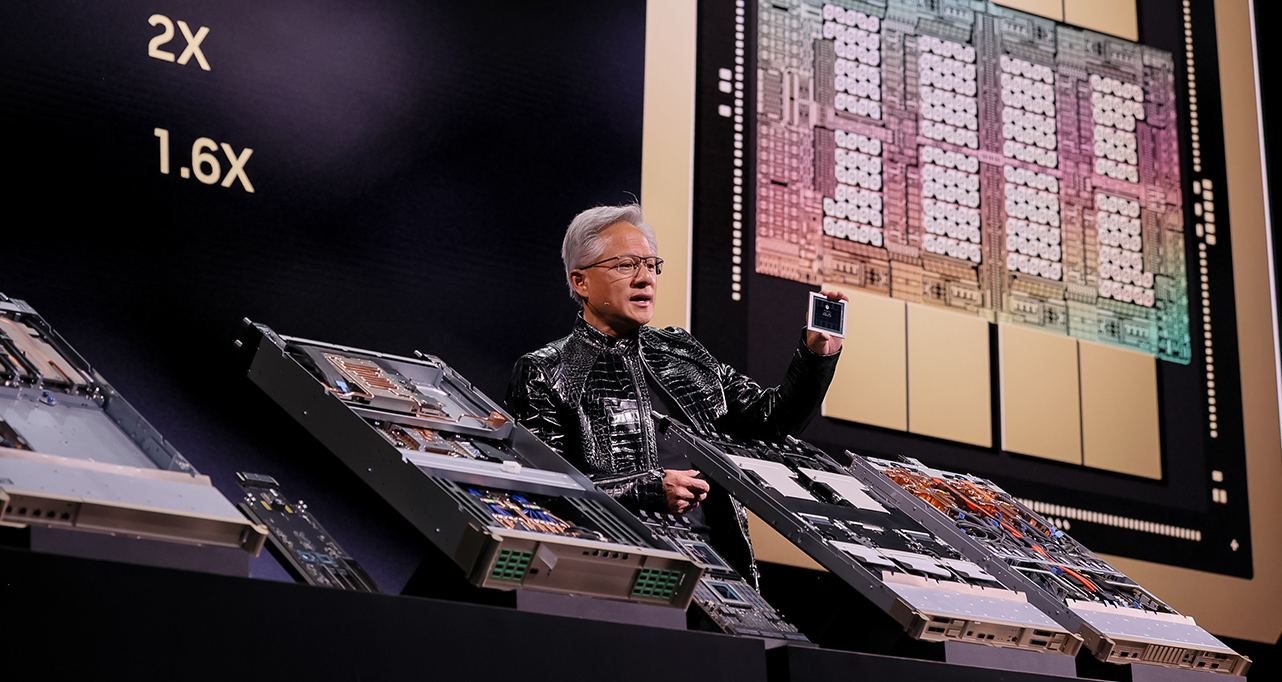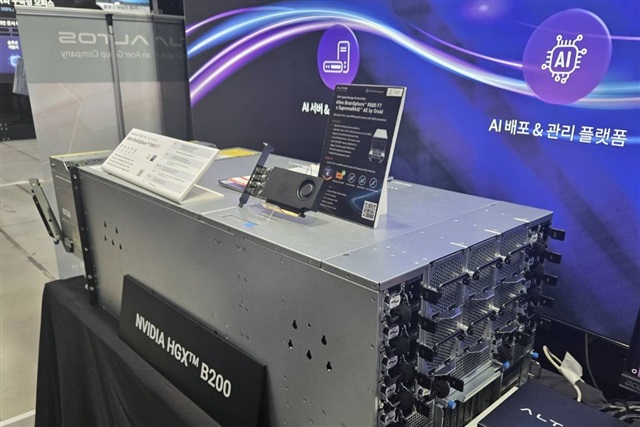
Solstice awakens. A beast of 100,000 Nvidia Blackwell GPUs, churning quintillions of calculations per second, right there in Argonne National Lab’s sterile halls. And it’s not alone.
America’s exascale offensive is underway — nine new supercomputers across three labs, dwarfing everything that’s come before. Forget chatty AI bots hogging headlines. This is raw computing firepower for science, security, whatever the DoE dreams up. Public-private mashups with Nvidia, AMD, HPE. Staggering scale. But here’s the acerbic truth: it’s less about saving the planet, more about not letting China eat our lunch.
Solstice and friends at Argonne.
Solstice leads the pack — largest AI supercomputer in the DoE’s arsenal. Equinox backs it up. Then three mini-me’s: Minerva, Tara, Janus. AI predictive modeling, workforce training. Cute names for silicon monsters tackling materials discovery, climate nightmares, experimental wizardry. It’s a tiered ecosystem, they say. Sounds efficient. Smells like overkill.
Oak Ridge isn’t slacking.
Frontier — world’s number two — gets siblings. Lux first: AMD Instinct MI355X GPUs, EPYC CPUs, HPE tech. Drops early 2026. Secure AI stack for fusion dreams, reactor guts, quantum oddities. Then Discovery in 2028: HPE Cray GX5000, next-gen AMD Venice CPUs, MI430X GPUs. Beats Frontier silly, past one exaFLOPS. Exa-what? A quintillion flops. Your laptop laughs.
Los Alamos? National security central.
Mission and Vision. HPE-Nvidia duo. Mission: stockpile stewardship — tweak nukes sans booms. Vision: open science facade for materials, energy, biomed. “Purpose-built,” they boast. Translation: war games with extra steps.
The stakes couldn’t be higher. Across three fortress-like national laboratories, a new generation of machines is rising – systems so powerful they dwarf anything that came before.
That’s the DoE line. Punchy. But let’s zoom out — or in, really. This exascale push reeks of Cold War redux. Remember Cray-1 in the ’70s? Gas-guzzling behemoths for bomb sims. Now it’s AI-flavored. Unique insight: it’s not evolution; it’s Manhattan Project 2.0, minus the secrecy veil. Back then, we dropped billions to beat Nazis, Soviets. Today? Same playbook, Beijing targets. Bold prediction: by 2030, these rigs train AI that designs hypersonics we can’t print without Taiwan’s chips. Supply chain chokepoint incoming.
Why the Sudden Exascale Frenzy?
AI exploded. Trump, Biden — both hooked. Washington’s AI Action Plan screams “AI-enabled science.” Datasets balloon from colliders, genomes. Supercomputers + ML = insights on steroids. DoE’s Office of Science drools: faster flops, better AI magic.
But skepticism alert. Corporate hype much? Nvidia’s Jensen Huang grins ear-to-ear — Blackwell sales bonanza. AMD sneaks in. HPE cashes checks. Public-private? Sure, if “private” means vendor windfall. And national security? Mission’s nuke babysitting screams priorities. Climate modeling? Nice side dish.
These machines blend sims with learning. Hypothesis-to-discovery warp speed. Fusion? Drug hunts? Great. Yet, dry humor time: if supercomputers fixed climate, Al Gore would’ve built one in 2006.
Will US Exascale Crush China’s AI HPC Dreams?
China’s got Tianhe-3 lurking. Exascale pretenders. US pulls ahead — for now. Frontier’s king today. Discovery vaults past. But here’s the rub: power hogs. Data centers guzzle grids. California blackouts await. And chips? TSMC lifeline. Geopolitics bites back.
Unique twist — PR spin critique. DoE paints utopia: open science heroics. Reality? Stockpile stewardship first. Nukes don’t model themselves. AI’s the shiny wrapper. Workforce development (Janus)? Code for training DoD coders.
Look. Explosive AI growth demands infrastructure. Can’t train GPT-whatevers on iPhones. These nine fortresses ensure US leads — materials breakthroughs, biomed leaps, defense edges. Step change, they claim. I’ll buy half.
But costs. Billions. Blackouts. Ethics? AI designing Armageddon. Dry laugh: progress.
Oak Ridge’s Lux — secure stack. Urgent priorities. Fusion sims tantalize. Yet, fission reactors? Nuclear revival pitch. Greenwashed atomic age.
Los Alamos Vision: biomed cover for bio-threat modeling? Conspiracy hat on.
And Argonne’s ecosystem — multi-tier smarts. Minerva predicts. Tara models. Smart. But will researchers queue up, or hoard cycles for pet projects?
Can These Supercomputers Actually Fix Real Problems?
Climate. Drugs. Energy. DOE checklists. AI-enhanced sims accelerate cycles. Potent.
Skepticism: data quality trumps flops. Garbage in, hallucinated out. AI’s no oracle.
Historical parallel nails it — Apollo program’s computers: primitive, beat Soviets to moon. Focus wins. US exascale? Laser-focused rivalry beats scattered science.
Prediction: by 2028, Discovery spits fusion blueprints. Or melts under load.
Hype callout. “Unprecedented.” Yawn. Every gen says that.
Still, firepower matters. Rivals lurk.
🧬 Related Insights
- Read more: Intel’s Q1 2026 Earnings Call: Another Chapter in the Chip Giant’s Slow Burn
- Read more: AD Technology’s Samsung Switch: 2nm CPUs Targeting KRW1T Revenue Windfall
Frequently Asked Questions
What are exascale supercomputers?
Beasts hitting a quintillion flops per second — for AI, sims, nukes. US deploying nine soon.
Why is the US racing in AI HPC now?
AI boom meets China threat. National labs gear up for science — and security — supremacy.
Will exascale change climate modeling?
Maybe faster predictions. But policy, not processors, saves the planet.