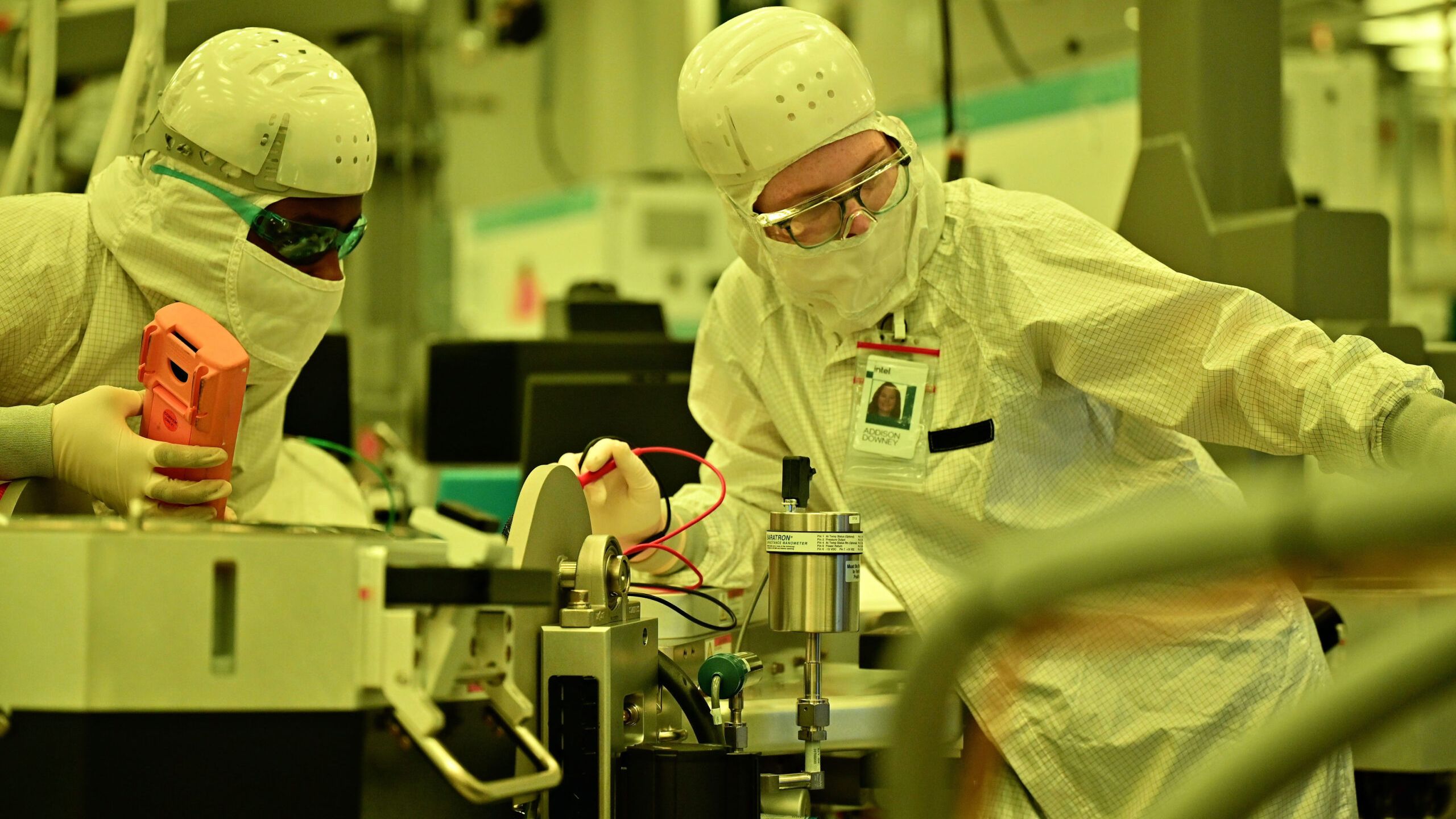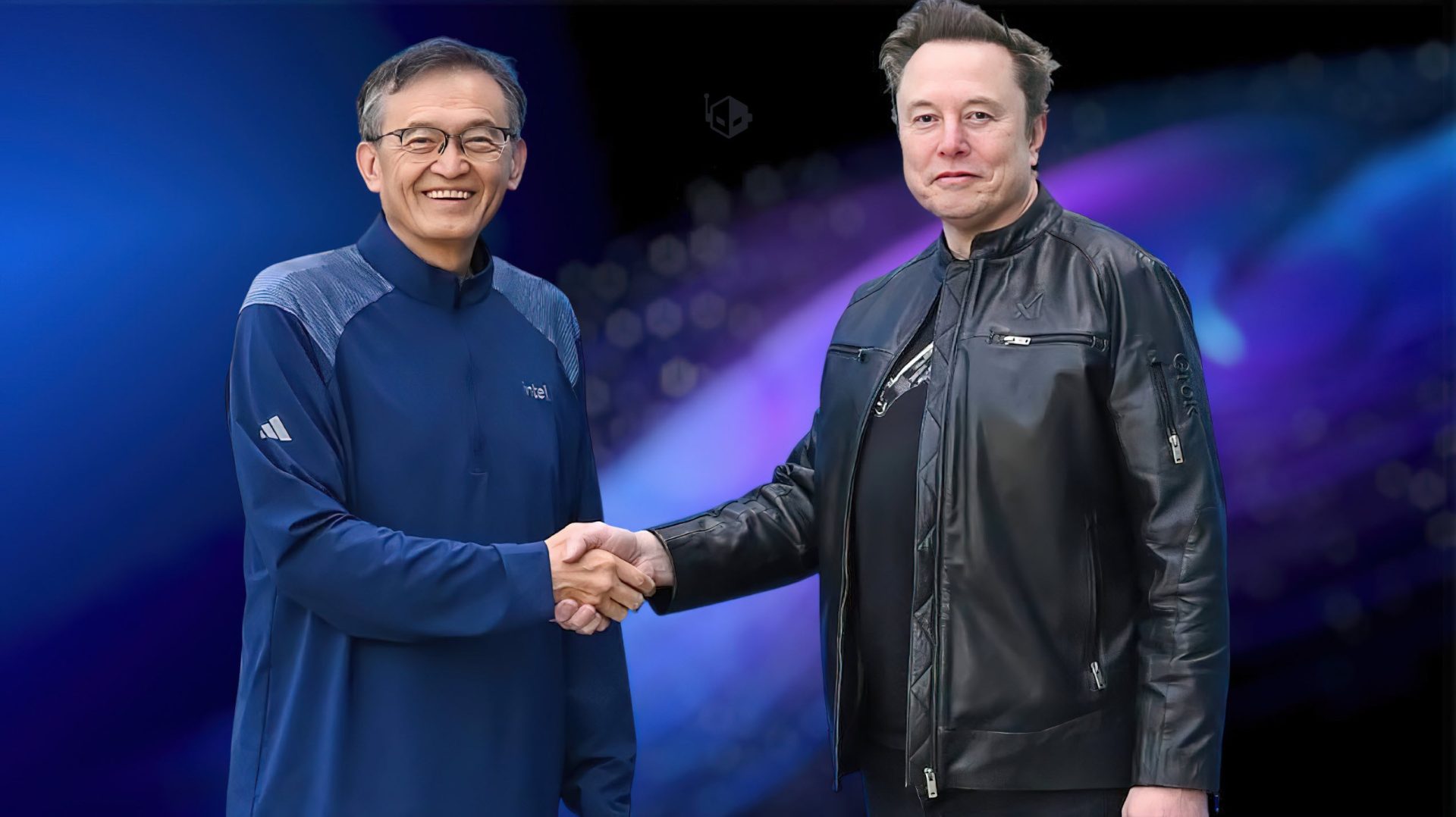
Look, it’s hardly a secret that the AI chip arms race is in full swing. You’ve got NVIDIA hogging the headlines, AMD scrambling to catch up, and everyone else either pretending they have a plan or desperately trying to build one. So, when Elon Musk, the guy who apparently wants to colonize Mars before lunch, decides to take a tour of Intel’s cutting-edge Oregon fab – the same one churning out Panther Lake CPUs and, crucially, working on the much-hyped 18A process technology – you’ve gotta ask yourself: what’s really going on here?
This isn’t just a celebrity drop-in. Musk’s visit signals a palpable anxiety about chip supply, particularly for his burgeoning AI ambitions with xAI. Intel, fresh off a supposed Apple deal (we’ll get to that) and touting its Foundry services, is positioning itself as the potential savior for companies struggling to get their hands on advanced silicon. They’re talking about TeraFabs and 14A process nodes for xAI’s next-gen chips. It sounds grand, right? Like something out of a sci-fi novel where chips are forged in digital fire.
But here’s the thing. Intel’s Foundry business has been a bit of a… let’s call it a ‘work in progress’ for years. They’ve burned through more cash than a small nation’s GDP trying to compete with TSMC and Samsung. So, when Musk walks through the door, it’s not just about seeing fancy machines; it’s about Intel trying to prove they can deliver, at scale, for some of the most demanding customers in the world. The 18A process, if it actually works as advertised, could be a real differentiator. But we’ve heard that song and dance before.
Musk’s visit and the tour that followed signal a growing interest in the company, which is not only seen in rising demand from the AI segment for its own CPUs, but also pulling in major customers.
That quote, straight from the source material, is a classic piece of PR fluff. Yes, interest is growing. Why? Because everyone is desperate. It doesn’t automatically mean Intel is the winning ticket. They’ve got the facilities, sure. They’re even talking about it being their biggest R&D and manufacturing hub, with over 22,000 employees. Impressive numbers, no doubt. But numbers don’t translate directly into reliably manufactured, high-yield chips on a nanometer scale.
And what about that Apple deal? Intel’s press releases have a habit of making things sound more concrete than they are. While Apple is a customer, portraying it as a massive win that directly enables these other grand pronouncements might be a stretch. Apple plays its cards incredibly close to its chest, and they’d likely never confirm anything that could give Intel use in other negotiations.
This is where the real intrigue lies: the potential strain on TSMC. The Taiwanese giant is the undisputed king of advanced chip manufacturing, but even they are buckling under the immense demand for AI accelerators. If TSMC is hitting capacity limits – and let’s be honest, they probably are – then alternatives like Intel become not just attractive, but necessary. Tesla, for example, is already hedging its bets by looking at Samsung and TSMC in the US for its AI chips. Musk visiting Intel could be a direct response to those potential supply crunches. He’s playing all his cards, and he needs to know where the backup options are, especially if he wants to compete with the likes of Google and Microsoft in the AI race.
Intel’s Foundry business has been a Hail Mary for the company. It’s a gamble that needs massive investment and flawless execution. Musk’s visit, while a PR win, also puts immense pressure on Intel. They need to prove they can move beyond theoretical advancements and deliver tangible results. The question isn’t if they can build chips; it’s if they can build them consistently, cheaply, and at the bleeding edge of technology, faster than their rivals.
The 18A Question
So, what’s the big deal with 18A? It’s Intel’s next-generation process node, promising smaller transistors and greater efficiency. It’s the holy grail for semiconductor manufacturers trying to keep Moore’s Law – or some semblance of it – alive. If Musk is looking at this process for xAI, it means he believes Intel can actually deliver on this technological leap. But Intel has a history of delays and challenges with new process nodes. The success of 18A is paramount for Intel’s Foundry strategy, and Musk’s attention certainly ups the ante.
Who Actually Benefits Here?
Let’s cut through the noise. Intel benefits from the validation. Having a high-profile figure like Musk touring their facility, even if it’s just for optics, lends credibility to their Foundry ambitions. Musk benefits by exploring alternative supply chains and potentially securing production capacity for his own ventures. He’s notorious for shaking things up and demanding the impossible. If anyone can squeeze more out of a foundry, it might be him. The real winners, though, will be whoever gets their AI chips manufactured reliably and affordably. Right now, that’s still a big question mark, and TSMC holds most of the cards. But hey, at least Intel’s stock ticker probably got a nice little jolt.
🧬 Related Insights
- Read more: xAI’s GPU Wasteland: 550K NVIDIA Chips Idle
- Read more: Intel’s ZAM: A 2x Bandwidth AI Memory Challenger Emerges
Frequently Asked Questions
What is Intel’s 18A process technology? Intel’s 18A is a highly anticipated next-generation semiconductor manufacturing process node designed to enable smaller, more efficient transistors, pushing the boundaries of chip performance.
Why did Elon Musk visit Intel’s Oregon fab? Musk’s visit likely signals interest in securing future chip manufacturing capacity for his AI ventures, exploring Intel’s advanced 18A process technology, and potentially diversifying supply chains away from TSMC.
Will this visit guarantee Intel more AI chip orders? While the visit generates significant buzz and may lead to discussions, it does not guarantee future orders. Intel must still prove its manufacturing capabilities and cost-effectiveness against established players like TSMC.